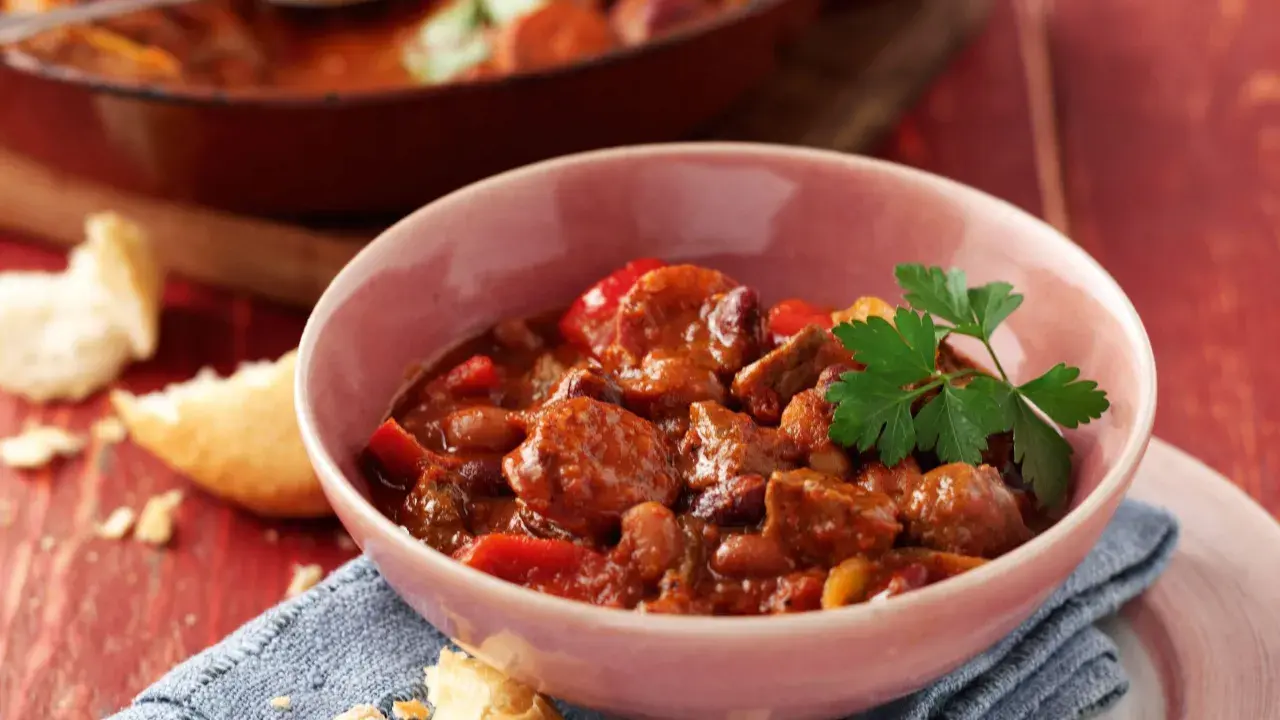
The dishes worth knowing first
- The strongest Spanish beef cooking is usually either long-braised or very simply grilled.
- Oxtail and beef cheeks give the richest results because they reward slow cooking.
- Basque-style beef tends to be restrained, letting the quality of the meat do the work.
- Chuck and brisket are the most forgiving everyday cuts for home cooking.
- If you want the easiest first attempt, start with a red-wine braise and serve it with potatoes or bread.
What gives Spanish beef cooking its character
What I like about beef from Spain is that it rarely feels overworked. The flavour usually comes from a few dependable building blocks: olive oil, onion, garlic, tomato, bay leaf, wine, and sometimes pimentón, which is smoked paprika and does far more than add colour. In other words, the cooking is about depth, not clutter.
That is especially true in the north, including the Basque Country, where beef dishes often feel clean and direct rather than heavily spiced. A good sofrito - the slow-cooked base of onion, garlic, tomato, and sometimes pepper - gives the sauce its backbone, while the meat is chosen for texture as much as flavour. Once you understand that pattern, the rest of the category becomes much easier to read, which is exactly why the most useful examples are worth looking at next.

The dishes I would put on the shortlist
If I were introducing someone to beef dishes from Spain, I would not start with a giant list. I would start with a handful of plates that show the range properly: a rich braise, a cheek dish, a steak, and a more everyday stew. Each one teaches a slightly different lesson about texture, sauce, and regional style.
| Dish | What it is | Why it stands out | Typical cook time |
|---|---|---|---|
| Rabo de toro | Oxtail braised with wine, onion, tomato, garlic, and often saffron | The sauce becomes glossy and rich because the cut is packed with collagen | About 3 to 4 hours |
| Carrilleras de ternera | Beef cheeks cooked slowly until spoon-tender | Probably the most luxurious braise in the group, with a silky finish | About 2.5 to 3 hours |
| Txuletón | Thick Basque-style rib steak grilled hard and served simply | It shows the opposite side of Spanish beef: minimal seasoning, maximum beef flavour | 10 to 15 minutes, plus rest |
| Estofado de ternera | Classic beef stew with vegetables, stock, and often potatoes | It is the easiest route into the style for everyday cooking | About 1.5 to 2.5 hours |
| Guiso de ternera con vino | Regional braised beef, usually made with shoulder, chuck, or brisket | Flexible, budget-friendly, and ideal for batch cooking | About 2 to 3 hours |
I keep that shortlist because it covers the two main Spanish beef moods: deep braise and direct grilling. If you know those, you already understand most of the category. The next question is which cuts actually behave well in a home kitchen, especially when you are shopping in the UK.
Which cuts work best in a UK kitchen
When I cook these dishes at home, I choose the cut first and the recipe second. That saves time and prevents the most common mistake, which is trying to force the wrong cut into a method it cannot survive. For slow cooking, I want connective tissue. For grilling, I want marbling and thickness.
- Oxtail gives the deepest sauce. Ask the butcher to cut it into neat sections if it is not already prepared.
- Beef cheeks are my favourite “safe” braising cut because they become tender without falling apart too quickly.
- Chuck or shoulder is the best value choice for a standard stew and is usually easy to find.
- Brisket works well if you want a slightly meatier slice in the stew and do not mind longer cooking.
- Rib steak or entrecote is what I reach for when I want a Basque-style grill dish with very little interference.
If a cut is very lean, I usually leave it alone for braises. It will not magically turn silky just because it is cooked for a long time. The better the fit between cut and method, the less rescue work you need later, which leads straight into the part that makes or breaks the final plate.
How to cook them without losing the point
The biggest difference between an average Spanish-style beef dish and a memorable one is usually patience. I am not looking for complicated technique here; I am looking for proper browning, controlled heat, and enough reduction to make the sauce taste finished rather than watery.
For braises
Start by browning the meat well. Not “a little colour”, but a real crust. Then soften the onions, garlic, and any pepper or carrot slowly so the base tastes sweet instead of raw. Add wine or sherry, let it reduce for a minute or two, and then add stock just enough to come partway up the meat rather than drown it. A covered casserole in a 150-160°C oven usually needs around 2.5 to 3.5 hours, depending on the cut.
If you use a pressure cooker, you can reduce the total time to roughly 45 to 60 minutes, but I still finish the sauce uncovered for 10 to 15 minutes so it has the right texture. That final reduction matters more than most people expect. It is the difference between a braise and something that merely looks like one.
For steaks
With txuleta-style steak, restraint matters. Salt ahead of time if you can, dry the surface well, and cook over a very hot grill or heavy pan. A thick steak usually needs only a few minutes per side, followed by a rest so the juices settle. I like to finish with coarse salt and good olive oil, not a heavy sauce that covers the meat.
Read Also: Fried Pork Belly in Spanish - Panceta Frita vs. Torreznos
The mistakes I avoid
- Skipping the browning step and then wondering why the sauce tastes flat.
- Using too much liquid, which dilutes the flavour and makes reduction harder.
- Cooking a braise too fast, so the meat tightens before the connective tissue softens.
- Trying to “improve” a steak dish with too many spices or a heavy marinade.
- Slicing grilled beef too soon, which wastes the resting time.
Once the cooking method is right, the final dish becomes much easier to serve well. That is where sides and drinks matter, especially if you want the plate to feel genuinely Basque or broadly Spanish rather than just “beef with extras”.
How I would serve these dishes on a Basque-style table
For me, the smartest side dishes are the ones that support the sauce instead of competing with it. That usually means roasted potatoes, patatas panaderas, crusty bread, or a very simple salad with sharp dressing. If the beef is braised, I want something that can soak up the juices. If it is grilled, I keep the plate cleaner and brighter.
Here is how I would pair them in practice: oxtail with mashed potatoes and a young red; beef cheeks with bread and roasted carrots; txuletón with nothing more than salad, peppers, and salt; stew with potatoes and green beans. For drinks, a medium-bodied Rioja or Navarra red is the easy choice, but a dry cider works beautifully with a grilled Basque steak if you want something less obvious. The broader rule is simple: the richer the meat, the more useful acidity becomes on the plate.
That approach also suits the style of the restaurant and regional food culture this site celebrates. The food should feel grounded, not fussy. With that in mind, I would narrow the whole category down to the dishes below when I am deciding what to cook first.
The three versions I would cook first for real-life meals
If I were starting from scratch, I would choose the dish based on time, budget, and how much risk I want to take. That is the most practical way to approach Spanish beef at home, because not every recipe serves the same purpose.
- Best first pick: beef cheeks in red wine. They are forgiving, rich, and easier to get right than many people expect.
- Best crowd-pleaser: rabo de toro. It feels special, feeds several people well, and tastes even better after resting.
- Best quick option: a thick grilled steak, Basque style, if you want the flavour without the long braise.
If you only remember one thing, make it this: the best results come from matching the cut to the method, then keeping the seasoning honest. That is the logic behind the strongest beef dishes in Spain, and it is the reason I would happily cook them again before trying to reinvent them.
