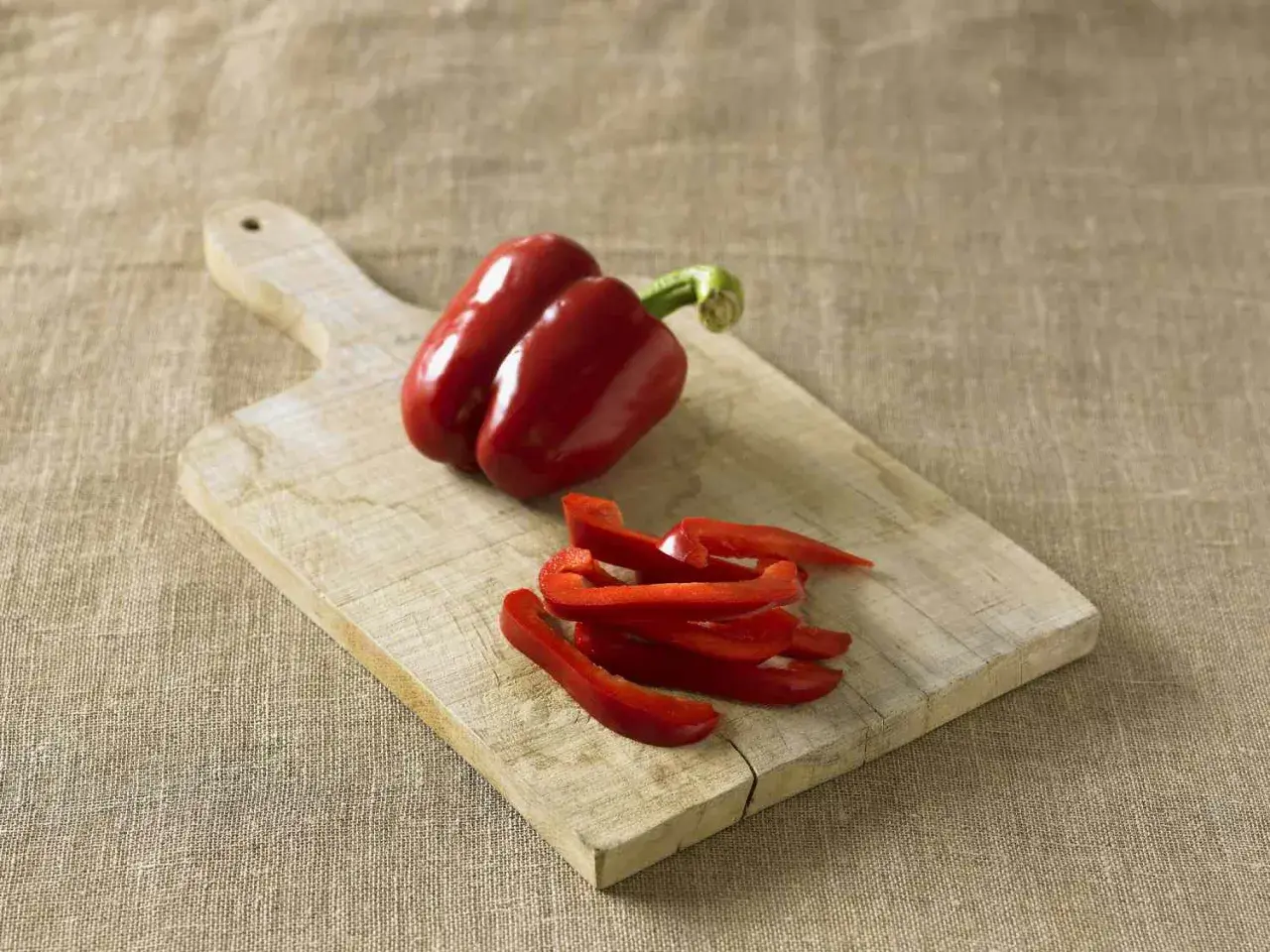
Peppers keep better when you choose the right storage method for the way you cook. This guide explains how to preserve peppers with practical options for the fridge, freezer, jars, and dehydrator, so you can keep flavour on hand without waste. That matters whether the peppers are heading into a Basque-style piperade, a quick pan sauce, or a simple weeknight tray bake.
The fastest way to keep peppers useful longer
- Whole peppers keep best in the fridge, ideally in the crisper drawer at 0 to 5°C.
- Freezing is the easiest long-term option if you will use the peppers in cooked dishes.
- Pickling gives peppers a sharper flavour and much longer keeping time, but it changes the profile completely.
- Drying works especially well for chilli peppers and for anyone who wants flakes or powder.
- Moisture is the main enemy: dry peppers last longer than damp ones.
Choose the method based on how you plan to use them
My rule is simple: store for the dish, not just for the calendar. Fresh crunch belongs in the fridge, soft cooked texture belongs in the freezer, and bold tang or heat belongs in pickled or dried form. If you are cooking something like piperade, a pepper stew, or a tray of roasted vegetables, the best option is the one that keeps the ingredient useful rather than merely saved.
| Method | Typical keeping time | Best for | Main trade-off |
|---|---|---|---|
| Whole peppers in the fridge | About 1 to 2 weeks | Salads, slicing, quick sautés | Eventually softens and wrinkles |
| Frozen peppers | About 8 to 12 months for best quality | Soups, stews, sauces, omelettes | Loses crunch after thawing |
| Roasted peppers, chilled | About 5 days | Antipasti, sandwiches, fish, pasta | Short shelf life, more prep |
| Pickled peppers | Months, longer if properly canned | Mezze, garnishes, sandwiches | Acidic flavour changes the profile |
| Dried peppers | Many months | Flakes, powder, spice blends | No fresh texture at all |
Once you match the method to the meal, the details become much easier to manage, starting with the simplest option of all: the fridge.
Keep fresh peppers crisp in the fridge
I keep whole peppers dry, uncut, and unwashed until I need them. A loose bag, a paper towel, or a perforated produce bag helps absorb condensation, while a tightly sealed box can trap moisture and speed mould. Whole peppers usually give you about 1 to 2 weeks of good quality in the fridge, and the Food Standards Agency recommends keeping the fridge between 0 and 5°C, which is worth checking with a thermometer if your veg drawer tends to run warm.
- Choose firm, glossy peppers with tight skin and no soft spots.
- Store them whole in the crisper drawer rather than on a shelf exposed to cold air.
- Keep them away from damp produce and overripe fruit.
- Cut peppers only when you are ready to use them; once sliced, they belong on a short clock.
If a pepper is only slightly wrinkled, I still use it for roasting or sautéing before it loses too much structure. The fridge buys you time, but it does not turn peppers into a root vegetable. That is why freezing becomes the better option when you want to stock up.
Freeze peppers when texture matters less than convenience
Freezing is the method I recommend when you want a pepper to disappear into a dish later. Slice or dice them, remove the stem and seeds, spread them on a tray, freeze until firm, then bag them with as much air removed as possible. For peppers, raw freezing is fine, which makes this the least fussy way to preserve a glut. I use it constantly for ingredients that will end up in sauces, soups, scrambled eggs, or a quick pepper-and-onion pan fry.
- Wash and dry them thoroughly before freezing.
- Remove stems, seeds, and any damaged flesh.
- Freeze pieces flat first so they do not clump together.
- Label bags by pepper type and date.
- Use them straight from frozen in cooked dishes rather than expecting salad-level crunch.
For best quality, I would use frozen peppers within 8 to 12 months, but the real turning point is texture: once thawed, they are softer and best suited to cooked dishes. That trade-off is usually fine in a busy kitchen, which is why I reach for the freezer before I reach for anything more elaborate.
Pickle, roast, or can for a longer-lasting result
This is the flavour-forward branch of pepper preservation. Pickling gives you brightness, roasting gives you sweetness, and proper canning gives you the longest pantry life, but each method asks for a different kind of care. If you want peppers to become part of the condiment line-up, this is where they really earn their keep.
Pickling for bright jars
Pickling is the method I trust when I want peppers to act like a condiment rather than a side dish. Use a vinegar-based, tested recipe and keep the ratio exactly as written, because peppers are naturally low in acid and the acid balance is what makes the jar safe and stable. If you want a crisp, tangy result for sandwiches or mezze, pickling is hard to beat.
Roasting for short-term sweetness
Roasted peppers are the easiest way to turn a tired pile of peppers into something useful and elegant. Roast or char them until the skins blister, steam them briefly, peel, cool completely, and store them in an airtight container in the fridge; BBC Good Food suggests using them within about five days. That is the shelf life I plan around when I want ready-to-use peppers for pasta, grilled fish, or a piperade-style dish. If oil and garlic are involved, keep the jar refrigerated and treat it as a short-life food, not a shelf-stable preserve.
Read Also: New Potatoes - Cook Them Perfectly Every Time
Canning only with a tested recipe
If you want jars that sit on the shelf, use a tested home-canning recipe rather than guessing. The process matters more than the container here, because safety depends on acidity and heat treatment. I think of canning as the right choice for experienced preservers, while freezing and pickling are usually the more realistic options for most home kitchens.
Once you understand what each method gives you, drying becomes the last piece of the puzzle, especially for smaller peppers and stronger heat.
Dry peppers when you want concentrated flavour
Drying is the route I choose for chillies, thin-skinned peppers, or any batch I want to turn into flakes, powder, or a Basque-style spice. Slice thick peppers into even strips, keep the pieces dry, and use a dehydrator or a low oven around 60 to 65°C until they are brittle rather than leathery. If they still bend, they are not ready for storage.
- Store dried peppers in airtight jars away from light and steam.
- Grind them only when needed if you want the fullest aroma.
- Keep sweet and hot peppers separate if you do not want accidental heat.
Dried peppers make sense when you want flavour density and storage efficiency, not freshness. In a Basque-inspired kitchen, that matters because a little dried pepper can do the work of a much larger fresh one in stews, braises, and sauces. After drying, the main job is simply avoiding the mistakes that undo all that effort.
The small mistakes that shorten shelf life
The same few errors show up again and again. Wet peppers go mouldy faster, warm roasted peppers sweat inside containers, and loose freezer bags pick up freezer burn long before the flavour is gone. I also see people store peppers in oil at room temperature because the jar looks rustic; that is exactly the kind of shortcut I would not use.
- Do not wash and store peppers damp unless you dry them fully first.
- Do not freeze in one solid lump if you know you will want small portions later.
- Do not use a recipe-free approach for shelf-stable jars.
- Do not leave cut peppers lying around while you decide what to do with them.
- Do not rely on smell alone to judge whether a pepper is still worth keeping.
Once you avoid those mistakes, the routine gets much simpler, and the storage method stops feeling like a project.
A simple routine that actually gets used
If I have a mixed batch, I sort it in three moves: whole firm peppers go into the fridge, the ones I will not cook this week go into the freezer, and the peppers with the strongest flavour or heat are set aside for drying or pickling. That gives me a flexible kitchen without forcing everything into the same method.
For a restaurant-style home kitchen, that balance works well. Fresh peppers stay ready for salads and fast sautés, frozen peppers disappear into weekday cooking, and a small jar of roasted or pickled peppers adds instant depth to grilled fish, eggs, sandwiches, or a bowl of rice. If I had to choose just one system, I would keep a bag in the fridge, a tray in the freezer, and one jar of preserved peppers for the dishes that need instant character.
