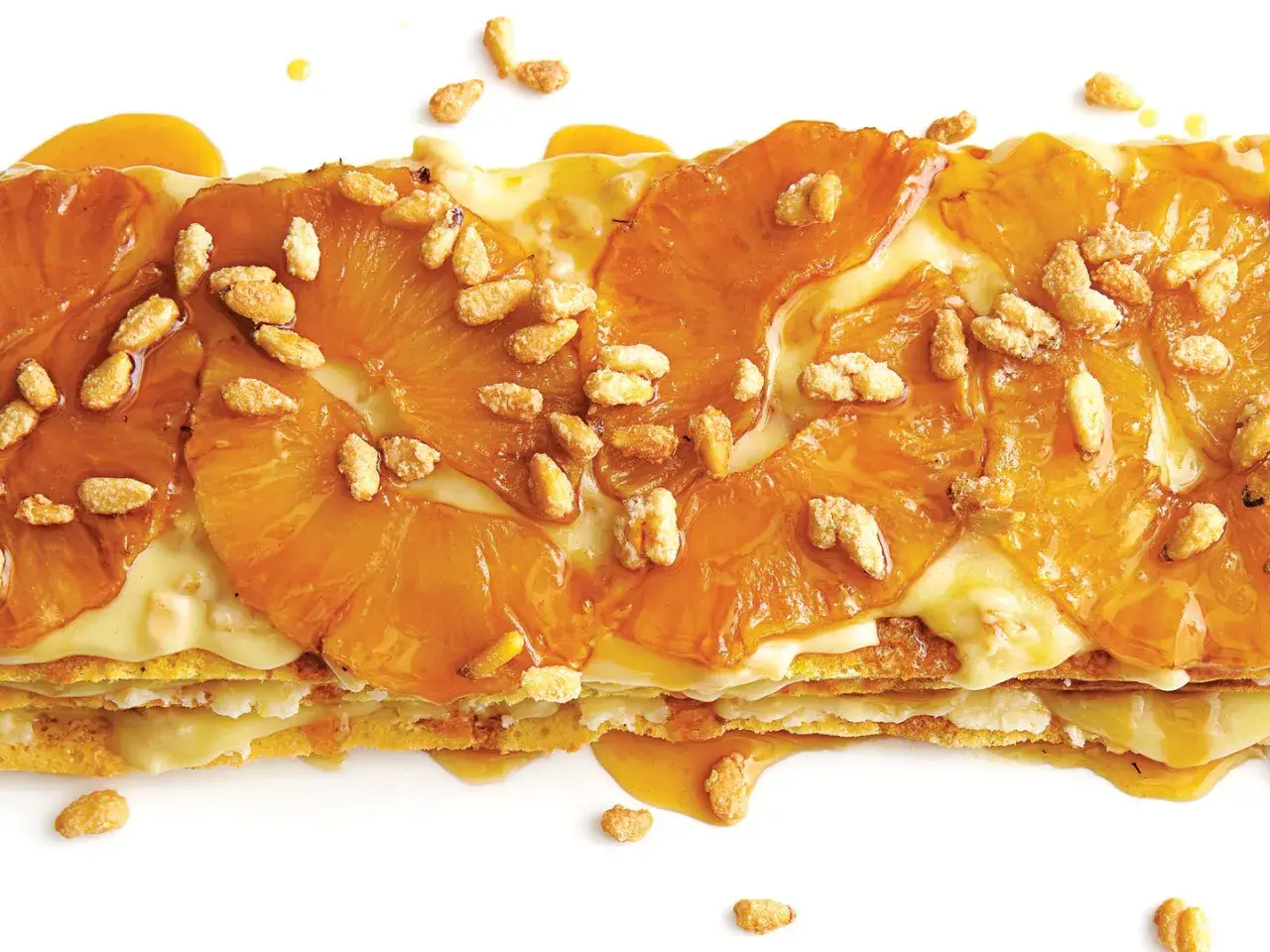
Pine nuts are one of those ingredients that can quietly change a dish: they add a soft crunch, a buttery flavour, and just enough richness to make vegetables, fish, and pasta feel more complete. This guide looks at pine nut recipes that are genuinely useful in a home kitchen, with clear prep advice, flavour pairings, and a few Basque-leaning ideas that suit a produce-led table. I also cover the small details that matter most, because pine nuts are easy to waste if you toast them badly or store them carelessly.
What matters most before you start cooking with pine nuts
- Toast them gently for 2 to 4 minutes in a dry pan if you want deeper flavour.
- Use them in small amounts: 25 to 40 g is enough for most dishes serving 2 to 4 people.
- They work best with herbs, green vegetables, lemon, garlic, white fish, tomatoes, and olive oil.
- Keep a portion in the fridge or freezer so they do not taste stale or bitter.
- Use them as a finishing texture, not just as filler.
How I prepare pine nuts so they actually earn their place
I rarely use pine nuts straight from the bag unless they are going into a sauce that will be blended with other ingredients. A brief toast changes them more than most people expect, and the line between pale gold and burnt is very short. That is why I treat them as a precision ingredient: small quantity, careful heat, immediate use.
| Form | Best use | My rule |
|---|---|---|
| Raw | Blended sauces or sweet doughs | Use only if the recipe will carry the flavour |
| Lightly toasted | Pesto, salads, vegetables, fish | 2 to 4 minutes in a dry pan over medium-low heat |
| Ground | Stuffings and thick sauces | Cool them first so they do not turn oily too fast |
| Whole | Finishing garnish | Add them at the end so the crunch survives |
The practical method is simple. I heat a dry frying pan, tip in a single layer of nuts, and shake the pan often until they smell warm and nutty. The second they colour, I move them out of the heat; they keep cooking for a moment even after the pan is off the hob. Once that habit is in place, the next step is choosing ingredients that let the nuts do their work instead of hiding them.
The ingredients I pair with them most often
Pine nuts are at their best when they sit inside a clear flavour structure. I lean toward herbs, soft greens, bright acid, and mild fish because those ingredients let the nuts feel intentional rather than decorative. For a UK kitchen, that means basil, parsley, spinach, chard, courgettes, tomatoes, lemon, garlic, and white fish are all strong starting points.
| Pairing | Why it works | Good fit |
|---|---|---|
| Basil and parsley | Fresh herbs keep the flavour bright and stop the nuts feeling heavy | Pesto, herb sauces, grilled vegetables |
| Spinach and chard | The nuts add crunch to soft greens | Warm side dishes, tarts, savoury pies |
| Lemon and vinegar | Acid cuts the natural richness | Fish, salads, roasted vegetables |
| Hake, cod, and sea bass | Mild fish gives the nut sauce room to shine | Basque-style plates, simple supper dishes |
| Raisins or currants | Sweetness balances the buttery notes | Spinach, stuffed vegetables, grain salads |
| Roasted peppers and tomatoes | They bring warmth, sweetness, and acidity | Warm salads, braises, fish sauces |
When the rest of the plate is already carrying a lot of flavour, I keep the pine nuts in a supporting role. That is the trick: they should lift the dish, not flatten it. With that in mind, I come back to the same few recipes again and again because they are reliable, flexible, and easy to adapt.

Three dishes I keep coming back to
I have kept these deliberately practical: one sauce, one vegetable dish, and one fish plate. Each one uses the nuts differently, so you can see how the ingredient behaves rather than just copying the same formula in three places.
Parsley and basil pesto with toasted pine nuts
This is the version I make when I want the nut to support the herb rather than dominate it. Half basil and half parsley keeps the sauce lively, and a little lemon stops it from feeling heavy. It works with pasta, grilled courgettes, new potatoes, or brushed over fish just before serving.- 40 g pine nuts
- 40 g Parmesan or a hard sheep's cheese
- 1 small garlic clove
- 30 g basil leaves
- 30 g flat-leaf parsley
- 100 ml extra-virgin olive oil
- 1 to 2 tsp lemon juice
- Salt and black pepper
- Toast the pine nuts in a dry pan over medium-low heat for 2 to 4 minutes, then move them straight to a plate.
- Blitz the herbs, garlic, cheese, lemon juice, salt, pepper, and pine nuts.
- Stream in the oil until you have a loose sauce with some texture left in it.
- Use it immediately, or cover the surface with a thin film of oil if you are holding it for a short while.
If you want a slightly more coastal, Basque-leaning profile, reduce the basil a little and let parsley do more of the work. The result is less sweet, more savoury, and better suited to fish or vegetables.
Spinach with raisins and toasted pine nuts
For me, this is the simplest way to turn a bag of spinach into a proper side dish. The raisins give sweetness, the nuts add crunch, and a splash of vinegar keeps the whole thing alive. It is the kind of dish that looks modest but behaves like a useful piece of a meal.
- 400 g spinach or chard
- 30 g pine nuts
- 2 tbsp raisins
- 1 small shallot, finely sliced
- 1 garlic clove, finely chopped
- 1 tbsp olive oil
- 1 tsp sherry vinegar or lemon juice
- Salt and black pepper
- Soak the raisins in hot water for 5 minutes if they seem dry.
- Toast the pine nuts and set them aside.
- Soften the shallot in olive oil for 3 to 4 minutes, then add the garlic for 30 seconds.
- Wilt the greens in batches, letting excess moisture evaporate before you add the next handful.
- Fold in the raisins and pine nuts, then finish with vinegar, salt, and pepper.
I like this with roast chicken, baked fish, or a thick slice of bread and a soft egg. The important point is not to drown it in oil; the nuts should stay noticeable, not disappear into a glossy puddle.
Read Also: Wild Onions UK - Identify, Harvest & Cook Safely
Hake with pine nut and parsley sauce
This is the dish that feels most at home on a Basque table. Hake takes the sauce well, and the pine nuts add a gentle creaminess without turning the plate rich or muddy. If hake is not available, cod or pollack works too, as long as the fish is mild and firm.
- 4 hake fillets, about 150 g each
- 40 g pine nuts
- 1 garlic clove
- 1 large bunch flat-leaf parsley
- 120 ml extra-virgin olive oil
- 1 tbsp lemon juice
- Salt and black pepper
- Optional: a few strips of green pepper or a spoonful of capers
- Toast the pine nuts and let them cool for a minute.
- Blend them with parsley, garlic, lemon juice, salt, pepper, and enough oil to make a spoonable sauce.
- Pan-fry the hake in a little olive oil for 2 to 3 minutes per side, or bake at 200°C fan for 8 to 10 minutes depending on thickness.
- Spoon over the sauce and finish with green peppers or capers if you want a sharper edge.
I would serve this with boiled new potatoes or crusty bread, because the sauce deserves something simple beside it. That idea of restraint is what brings the next section into focus: pine nuts fit best when they reinforce a Basque-style plate rather than trying to take it over.
How they fit into a Basque-style table
The Basque kitchen is built on a narrow, confident set of flavours: olive oil, fish, peppers, garlic, onions, parsley, beans, and clean seasonal produce. Pine nuts work when they join that rhythm, especially in stuffings, green sauces, and vegetable sides; they feel out of place when the dish is already overloaded with cheese, cream, and another handful of nuts.
I think of them as a texture layer rather than a bulk ingredient. That means 15 to 25 g can be enough for a side dish, while 30 to 40 g is usually plenty for a sauce or a plate of fish for four. If you are building something like stuffed peppers, warm greens, or a simple herb sauce, that small amount gives you the flavour lift without pushing the dish away from its produce-led roots.
- Stuffed peppers or mushrooms benefit from 15 to 25 g, because the nuts add body without making the filling heavy.
- Warm greens need about 20 to 30 g, which is enough to create crunch and a little sweetness.
- Fish sauces usually need 30 to 40 g, since the nuts help the sauce feel rounder and more complete.
- Rice, couscous, or potato dishes can take 20 to 25 g, especially if the rest of the plate is fairly plain.
That kind of measured use is what makes the ingredient feel elegant instead of expensive. It also leads naturally to the last thing I always check before cooking: whether the nuts themselves are fresh enough to justify using them at all.
How to keep a small bag fresh enough to matter
Pine nuts go stale faster than most people expect because they are high in oil. If they smell flat, waxy, or faintly paint-like, I do not use them. Fresh nuts should smell clean, gently sweet, and slightly resinous, not sharp or bitter.
- Do not buy more than you will use. A small pack is usually the smarter choice unless you cook with them often.
- Do not leave them in a warm cupboard. I keep opened packs in an airtight jar in the fridge, and I move the rest to the freezer if I know I will not finish them soon.
- Do not toast them on high heat. Medium-low heat gives you aroma without a burnt edge.
- Do not add them too early. In salads, pasta, and roasted vegetables, finish with them at the end so the crunch stays intact.
- Do not ignore a bitter batch. If they taste wrong, replace them rather than trying to hide the flavour.
When I handle them this way, pine nuts stop being an expensive garnish and start doing a clear job: adding softness, warmth, and a little luxury to straightforward food. That is why I reach for them in vegetable dishes, simple sauces, and seafood plates more often than I reach for heavier nuts, and it is also why they belong so naturally in a produce-led kitchen.
