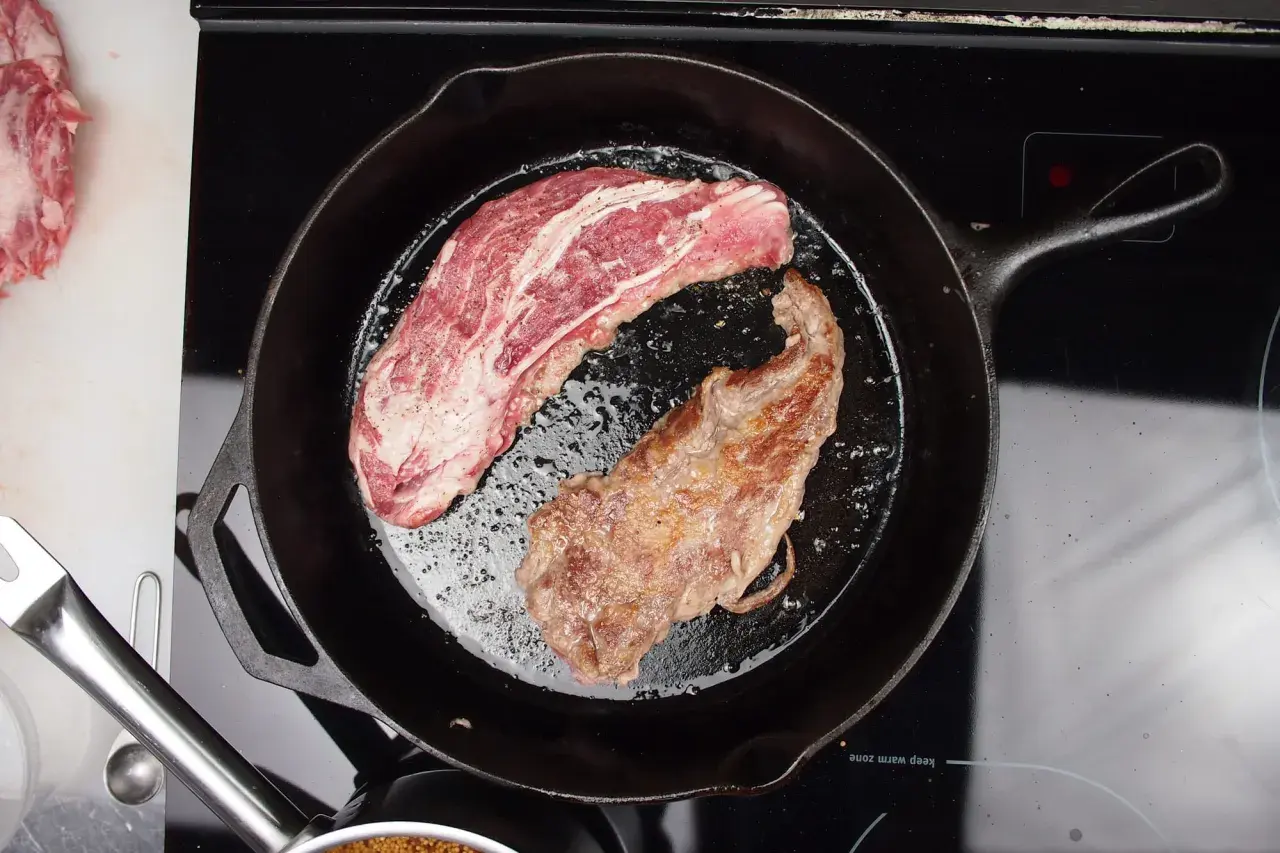
The short answer to what is pluma is simple: it is a small, feather-shaped Ibérico pork cut, usually taken from the end of the loin near the shoulder side. It is not poultry, and it is not just another pork loin steak. What makes it worth knowing is the mix of tenderness, marbling, and deep flavour, which is why it shows up so often in Spanish and Basque-style cooking.
The essentials of pluma in one glance
- Pluma means “feather” in Spanish, and the name comes from the cut’s shape.
- It is usually associated with Ibérico pork, not standard supermarket pork.
- The cut is prized because it combines fine marbling with a tender bite.
- It cooks quickly, but in the UK I would still follow Food Standards Agency guidance for pork safety.
- In specialist UK shops it sits in the premium price bracket, so it feels more like a restaurant cut than an everyday chop.
- It suits simple cooking: strong heat, salt, rest, and a sharp side dish.
Where pluma comes from and why the name matters
Pluma is a butcher’s cut from the Iberian pig, and the name matters because it tells you a lot about the shape before you ever taste it. The cut is narrow, pointed, and light in the hand, which is why Spanish butchery calls it “feather”. In practical terms, you are dealing with a small, distinctive pork piece from the loin area, usually described around the shoulder end rather than the middle of the loin.
One useful detail is that the boundary can vary slightly from butcher to butcher. That is normal with Spanish cuts, and I would not treat every chart as identical. Foods and Wines from Spain places pluma among the classic Ibérico cuts, alongside presa and secreto, which is a good reminder that this is a recognised premium piece rather than a novelty label.
That also explains why it feels different from the pork most UK cooks are used to handling. The next question is how it compares with the other Iberico cuts people see on menus and in specialist shops.

How pluma differs from other Iberico cuts
| Cut | Texture | Fat level | Best use | What it means in the kitchen |
|---|---|---|---|---|
| Pluma | Fine-grained, tender, steak-like | Well marbled, but not overly fatty | Fast grilling, pan-searing, plancha | My first choice when I want rich pork without a heavy cut |
| Secreto | Looser grain, very juicy | Higher fat content | Quick sear or grill | More indulgent and irregular, with a bolder fat profile |
| Presa | Meatier and broader | Highly marbled | Grilling or roasting | Better when you want a larger centrepiece cut |
| Fillet | Very tender but mild | Lean | Quick cooking | Cleaner and leaner, but far less expressive in flavour |
The point of the table is not to turn pork into a taxonomy exercise. It is to show why pluma feels so useful: it sits in that sweet spot where the meat still behaves like a steak, but the flavour comes from the fat rather than from aggressive seasoning.
Once you know where it sits on the pig, the real question becomes how much heat it can take without drying out.Why chefs rate it so highly
Pluma has a strong reputation for one reason: the fat is doing real work. The marbling melts as the meat cooks, keeping the centre juicy and carrying a nutty, savoury flavour that standard commercial pork rarely matches. That is the main difference people notice on the plate. It tastes fuller, rounder, and more complete.
Foods and Wines from Spain describes Ibérico pork as heavily marbled and points to the breed’s free-range lifestyle and acorn-rich diet as part of the reason the meat is so prized. In the case of pluma, that matters because the cut is small enough to benefit from quick cooking, but rich enough to stand up to direct heat without becoming dry and flat.
That balance is what I think cooks value most. You do not need a long braise, and you do not need to bury it under sauce. It already has enough character to carry a dish, which is why it appears in simple preparations so often. From here, the important part is not theory but technique.
How I cook pluma in a UK kitchen
I treat pluma more like a steak than a roast. A hot pan, grill, or plancha works best, because the cut responds to fast, direct heat. A light seasoning of salt is usually enough, and I only add pepper or herbs if the dish needs them. If the meat is frozen, I thaw it in the fridge first rather than rushing it on the counter.
- Bring the meat close to room temperature if it has been chilled, so it cooks evenly.
- Preheat the pan or grill properly before the meat goes on.
- Sear the pluma quickly on both sides.
- Rest it before slicing, then cut across the grain.
That does not mean pluma has to be overcooked. It means I would rather protect the texture by cooking it efficiently than by trying to force it into a long, dry finish. The fat will keep it succulent if you avoid dragging the cooking out.
That method only works if the piece is good quality in the first place, so the buying step matters more than many people expect.
What to look for when buying it in the UK
In the UK, pluma usually appears in specialist butcher shops, Spanish food retailers, or premium online meat counters. Look for labels such as Ibérico pluma or pluma ibérica, not generic pork loin. If the breed origin is missing, you are probably looking at a different cut with a similar shape rather than the real thing.
- Marbling should be visible but not excessive. You want a fine network of fat, not a greasy slab.
- Colour should be a healthy deep pink to red rather than pale and watery.
- Pack size is often small, because this is a limited-yield cut.
- Price should signal premium status. Recent UK listings I checked sat around £62 for 1.2kg or £66 for 1.5kg.
- Storage matters if the meat is frozen. Keep it frozen until needed, then thaw slowly in the fridge.
- Fridge temperature should stay between 0 and 5°C.
That last point is practical, not fussy. Good pork deserves good handling, and the UK’s cold chain advice is there to protect both flavour and safety. If you are paying premium money, you want the meat to arrive and store in a way that respects the cut.
Once you have the right piece, the cooking style almost writes itself, which is where the Basque connection becomes especially useful.
Why it fits Basque-style cooking
Pluma fits Basque cooking because Basque kitchens trust the ingredient first. The style is direct: heat, salt, good produce, and very little unnecessary noise. That is exactly the kind of environment where a rich pork cut can shine without being dressed up into something it is not.
I like it with the same kind of logic I would use for a Basque steak: a strong sear, proper resting, and a side that adds brightness rather than weight. Think roasted peppers, a crisp salad, grilled onions, or a sharp herb sauce. A plancha works especially well here, because the flat heat gives you colour quickly while keeping the inside juicy.
If I were serving it in a Basque-inspired meal, I would keep the plate clean. A little char, a little salt, and one vivid contrast are usually enough. That is the advantage of pluma: it does not need decoration to feel special.
The cut I would keep in mind for the next Spanish pork dish
Pluma is one of those cuts that quietly changes how you think about pork. It is smaller, richer, and more elegant than the average loin steak, but still simple enough to cook well on a weeknight if the heat is right. For me, that is the real appeal: it gives you restaurant-level flavour without asking for complicated treatment.
If you remember only one thing, make it this: pluma works best when the meat is treated simply and handled carefully. Buy the right Iberico cut, keep the seasoning restrained, cook it quickly, and let the fat do the heavy lifting. That is where the flavour lives, and that is why this feather-shaped piece deserves a place on any serious pork menu.
