What to know before you cook this dish
- Lean cut, fast method. Pork tenderloin is the right choice when you want Spanish flavour without a long roast.
- Smoke and acidity matter. Smoked paprika, garlic, sherry, and a small amount of vinegar or lemon do most of the work.
- Do not over-sauce it. The best versions taste savoury and bright, not sweet or heavy.
- Resting is not optional. A 5 to 8 minute rest keeps the juices where they belong.
- In the UK, heat matters. The Food Standards Agency advises cooking pork to 70C for 2 minutes at the centre.
What the dish should taste like
I do not think of this as one fixed traditional recipe. I think of it as a style built around a clean pork flavour, Spanish pantry ingredients, and a finish that feels rustic rather than ornate. The Basque side of that profile usually leans savoury, peppery, and restrained, so I reach for smoked paprika, garlic, onion, and a little sherry before I reach for anything richer.
The important part is balance. If the plate is too sweet, it stops tasting Spanish to me. If it is too sharp, the pork gets lost. What you want is warm spice, gentle smoke, and enough acidity to keep the meat lively. That is the difference between a good weeknight dinner and a dish that feels thought through.
Once you know the flavour target, choosing the cut and the seasoning becomes much easier.
Choose the right cut and flavour base
For this style, I would choose pork tenderloin every time. In the UK, it is usually sold as pork fillet, and that is exactly what you want: a lean, fine-grained cut that cooks quickly and slices neatly. Pork loin is not wrong, but it is a different job. It is larger, a little less tender, and better suited to roasting than to the quick, high-flavour treatment this dish needs.
| Cut | What it means in practice | My take |
|---|---|---|
| Pork tenderloin / fillet | Very lean, fine-grained, cooks in minutes | Best choice for this style and easiest to keep juicy |
| Pork loin | Larger, firmer, slightly more forgiving | Better for roasting; not my first pick for a quick Spanish-style dish |
For the flavour base, I keep the list short and sensible:
- Smoked paprika for colour and warmth. Sweet or slightly bittersweet works best if you want depth without heat.
- Garlic for the savoury backbone. Fresh cloves crushed or sliced thinly are enough.
- Dry sherry for a quick glossy sauce. Fino or manzanilla gives a clean, dry lift.
- Olive oil to carry the spice and help the crust form in the pan.
- Sherry vinegar or lemon for a final bright edge. Use lightly, because the cut itself is delicate.
I keep the seasoning direct because Spanish flavours work best when they sound simple on paper and taste precise on the plate. Once the ingredients are right, the method becomes the real safeguard against dry pork.

How I cook it without drying it out
The easiest way to ruin tenderloin is to treat it like a long roast. I prefer a fast sear, a short oven finish, and a proper rest. For a 500 to 600g fillet, I usually season it 20 to 30 minutes before cooking, which is long enough for salt and paprika to settle without making the surface wet or soft.
- Trim only the silver skin, the thin tough membrane on the outside, because it does not break down in a quick cook.
- Pat the pork dry, then rub it with salt, smoked paprika, crushed garlic, and a little olive oil.
- Sear it in a very hot pan for 2 to 3 minutes per side until the outside has real colour.
- Move the pan to a 200C oven for about 6 to 8 minutes, depending on thickness.
- Rest the pork for 5 to 8 minutes before slicing, so the juices can redistribute.
- Put the pan back on the hob, add 60 to 90 ml of dry sherry, and deglaze it, which simply means loosening the browned bits into a quick sauce.
| Target | What I use it for | Result |
|---|---|---|
| About 63C with a rest | A juicier chef-style finish if that suits your preference and local guidance | Very tender, slightly pink, and best when you trust your thermometer |
| 70C for 2 minutes | The UK benchmark I would follow when cooking for mixed preferences | Fully cooked through without needing to push the meat into dryness |
| 75C and above | Well-done territory | Safe, but the pork loses more of its natural juiciness |
If you are using a thermometer, I would rather check the centre than guess from the outside. A piece that looks barely coloured can already be done, and carryover cooking will continue for a few minutes after it leaves the heat. That final sauce is the easiest part of the dish, and it is exactly where the flavour should finish.
What to serve with it
The sides should support the pork, not fight it. I like dishes that keep a little acidity or sweetness in the background and let the paprika stay in charge.
- Patatas panaderas or roast new potatoes for something Spanish enough to feel right, but familiar enough for a UK supper table.
- Roasted peppers or piquillo peppers for sweetness and a gentle Basque-style note.
- Green beans with toasted almonds for crunch, freshness, and a lighter plate overall.
- A simple tomato and cucumber salad dressed with olive oil and a little sherry vinegar for brightness.
- Crusty bread if you want something practical for soaking up the pan juices.
For drinks, a dry cider, txakoli, or a light Rioja all sit comfortably with the smoke and garlic. If I want the meal to feel a little more elegant, I lean toward a dry white with acidity rather than anything oaky or overly rich.
What I avoid is a heavy cream sauce or a very sugary glaze. Those flavours can be tasty, but they move the dish away from the clean, savoury profile that makes it worth cooking in the first place.
Mistakes that flatten the flavour
- Using sweet paprika alone and expecting the dish to taste layered. Smoked paprika gives the depth.
- Over-marinating in acid. A little vinegar helps, but too much can make the surface soft and dull.
- Cooking by colour instead of temperature. Tenderloin can look done before it actually is.
- Skipping the rest. If you slice immediately, the juices run out onto the board instead of staying in the meat.
- Serving it with a sauce that is heavier than the pork. The pork should stay the focus.
The good news is that none of these mistakes are hard to avoid once you know what to look for. The last step is making the whole plate feel complete, not just correctly cooked.
The version I would cook for a Basque-leaning supper
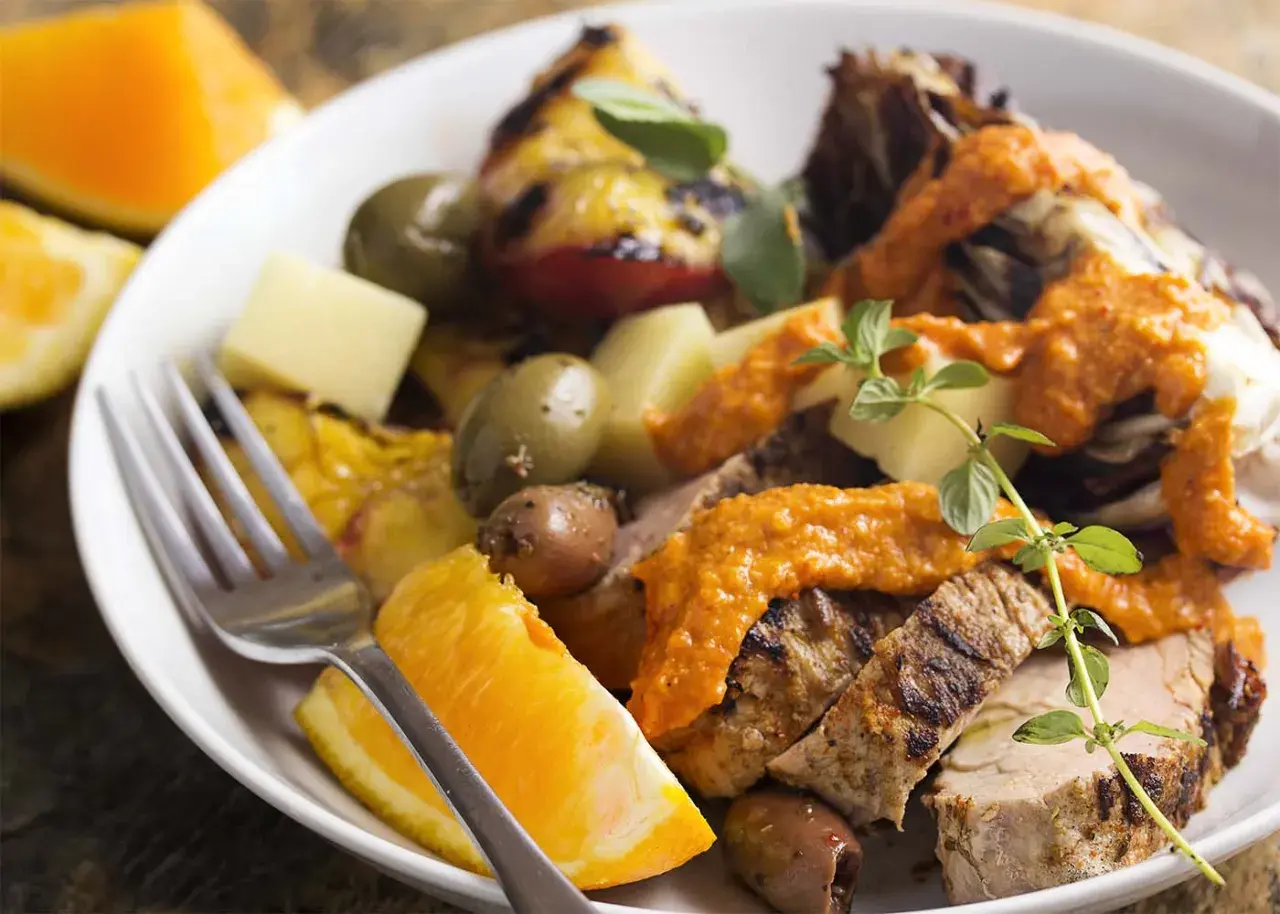
If I were making this tonight, I would keep the method simple: rub the fillet with salt, smoked paprika, crushed garlic, and olive oil, then sear it hard and finish it quickly in the oven. I would deglaze the pan with a splash of dry sherry, reduce it for a minute or two, and spoon that over the sliced pork with roasted peppers on the side.
That version works because it respects the cut. It gives you enough Spanish character to feel deliberate, enough acidity to stay fresh, and enough restraint to suit a practical dinner in the UK. For me, that is the real appeal of this dish: it looks simple, but when the seasoning, temperature, and resting time are right, it eats like something far more considered.
If you remember only one thing, keep the pork central and let the Spanish flavours sharpen it rather than bury it.
