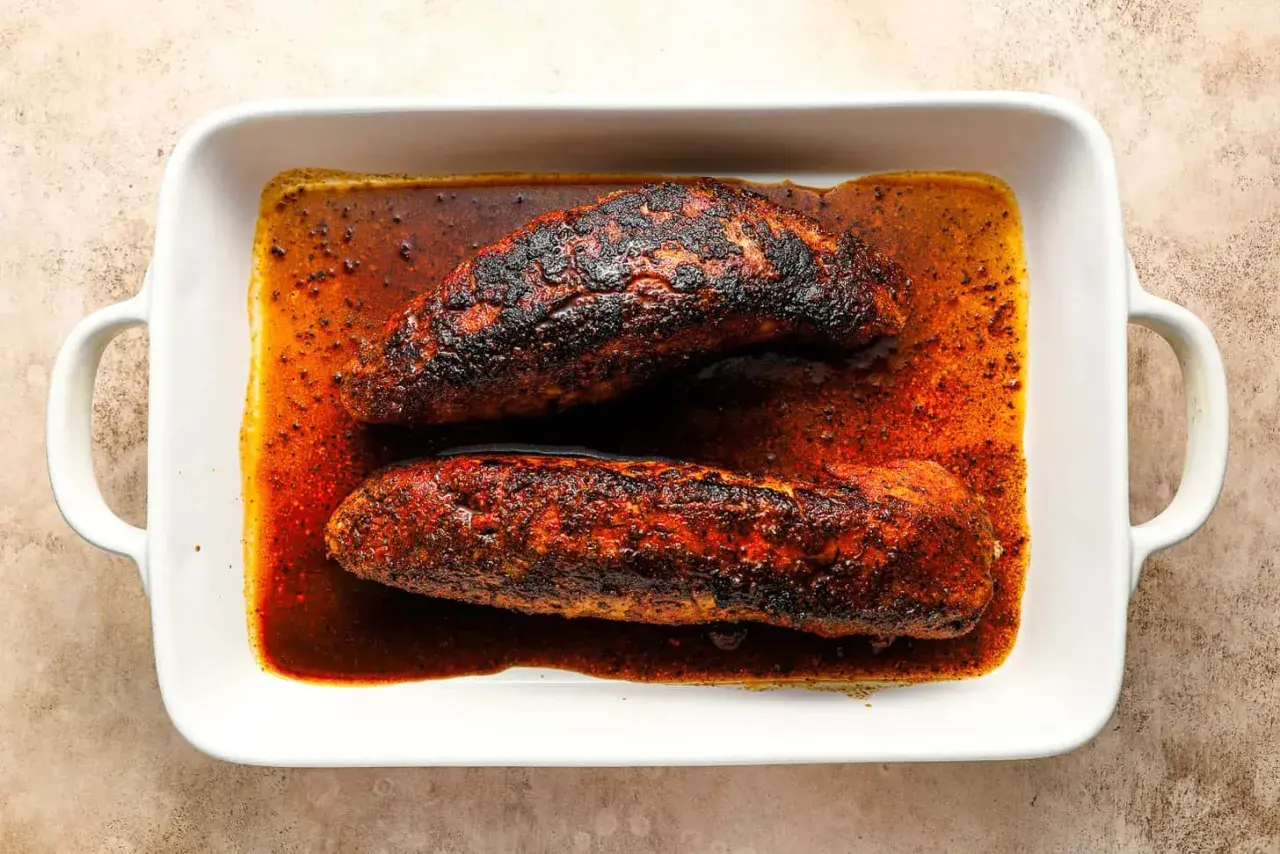
Pork tenderloin or loin can feel plain on paper, but with the right Basque treatment it becomes one of the most useful dinners in the repertoire. This solomillo recipe is built around a hard sear, a short cider-and-pepper sauce, and the kind of timing that keeps a lean cut juicy instead of dry. I have written it for a UK kitchen, with measurements and temperature notes that make sense at the stove, not just on the page.
A quick Basque-style pork dish depends on a hot pan and a bright sauce
- Use pork fillet for the fastest version; pork loin works too, but it needs a longer finish.
- Dry cider, garlic, smoked paprika, and peppers give the dish its Basque character without heavy cream.
- Plan on about 35 minutes total, plus 5 minutes resting.
- For a UK kitchen, cook pork to a safe core temperature and let it rest before slicing.
- Serve it with potatoes, green beans, or crusty bread so the sauce has somewhere to go.
What I buy when I want the right cut
In Spanish kitchens, solomillo usually points to a tenderloin-style cut, and in a UK butcher’s counter the name you usually want is pork fillet. It is lean, narrow, and quick to cook, which is exactly why it suits this style of dish. Pork loin also works, but it behaves differently: it is wider, needs longer in the pan or oven, and rewards a slightly more forgiving sauce.
| Cut | What it gives you | Best treatment | What changes in this recipe |
|---|---|---|---|
| Pork fillet / tenderloin | Very tender, lean, and quick-cooking | Hard sear, then short roast | Usually ready in 8-12 minutes in the oven after searing |
| Pork loin | Slightly meatier, often cheaper, a bit more forgiving | Sear first, then roast longer | Usually needs 18-25 minutes in the oven, depending on thickness |
I always trim away the silver skin, the tough shiny membrane on the outside, because it tightens as it cooks and can make each slice chewy. Once that is done, the rest of the dish becomes much easier to manage. From there, it is all about building flavour without overcrowding the plate.
Why the Basque flavour profile works so well here
I keep this dish spare on purpose. Basque cooking often lets good produce and good meat lead, so I lean on olive oil, garlic, peppers, cider, parsley, and a little smoked paprika rather than burying the pork under cream or sugar. That combination gives you savoury depth, a little sweetness from the onions and peppers, and enough acidity to keep the plate lively.
Smoked paprika brings warmth and colour, but a teaspoon is enough. Dry cider adds lift without making the sauce sticky. Piquillo peppers or roasted red peppers give the sauce body, while parsley sharpens the finish. If you can find txakoli, a light Basque white wine, it can replace part of the cider nicely, but I would still keep the sauce bright rather than rich. A spoonful of piperrada, the Basque pepper-and-tomato sauté, also fits naturally if you want the plate to feel more regional.
The next step is choosing ingredients that support that profile instead of fighting it.
The ingredients I use and the swaps that still work
For a home cook in the UK, the ingredient list should stay short enough that you can shop for it in one trip. The recipe below serves 4 as a main course with sides.
| Ingredient | Amount | Why I use it | Easy swap |
|---|---|---|---|
| Pork fillet or tenderloin | 600-700 g | The quickest, most tender version | Pork loin, but allow more cooking time |
| Onion or shallot | 1 small | Builds sweetness in the sauce | 1 small leek, finely sliced |
| Garlic | 3 cloves | Core Basque-style flavour | 2 tsp garlic paste |
| Extra-virgin olive oil | 1 tbsp | For searing and softening the onions | Another neutral oil if needed |
| Smoked paprika | 1 tsp | Colour, warmth, and a gentle smoky note | Mild paprika plus a pinch of chilli |
| Tomato purée | 1 tbsp | Deepens the sauce without making it heavy | Leave it out if you want a lighter sauce |
| Dry cider | 150 ml | Adds acidity and fruit | Dry white wine or a light txakoli |
| Chicken stock | 100 ml | Gives the sauce body | Light vegetable stock |
| Piquillo peppers or roasted red peppers | 150 g, drained | The sweet pepper note that makes the dish feel complete | Jarred roasted peppers, well drained |
| Cider vinegar or sherry vinegar | 1 tsp | Brightens the sauce at the end | A small squeeze of lemon |
| Butter | 1 tbsp | Gives the sauce a glossy finish | Use a little extra olive oil for dairy-free cooking |
| Parsley | 1 tbsp, chopped | Freshens the final plate | Chives or chervil |
| Salt and black pepper | To taste | Essential seasoning | None |
If you cannot find piquillos, do not overthink it. Drained roasted red peppers work well, and the sauce still tastes deliberate if you keep the cider dry and the seasoning clean. With that sorted, the method is straightforward.

How I cook it step by step
I like to build the whole dish in one pan, because the fond at the bottom of the skillet is where the flavour lives. Fond is the browned residue left behind after searing; once you deglaze it, it becomes the base of the sauce.
- Heat the oven to 200°C fan or 220°C conventional. Pat the pork dry with kitchen paper, trim any silver skin, and season all over with salt, black pepper, and the smoked paprika.
- Set a large ovenproof frying pan over medium-high heat and add the olive oil. When the oil shimmers, sear the pork for about 2 minutes on each side until well browned. Take the meat out and set it on a plate.
- Lower the heat to medium and add the onion with a pinch of salt. Cook for 3-4 minutes until softened, then add the garlic and cook for 30 seconds more.
- Stir in the tomato purée, if using, and cook for another 30 seconds. Add the cider, stock, peppers, and thyme, then scrape the bottom of the pan so the browned bits dissolve into the sauce.
- Let the sauce simmer for 2-3 minutes. Return the pork to the pan, spoon some sauce over the top, and transfer the pan to the oven.
- Roast until the pork is cooked through. For tenderloin, that is usually 8-12 minutes after searing. For pork loin, expect closer to 18-25 minutes, depending on thickness. In the UK, I follow the Food Standards Agency baseline of 70°C for 2 minutes or an equivalent time/temperature combination.
- Move the pork to a board and rest it for 5 minutes. Stir the butter and vinegar into the sauce, taste for salt, then slice the meat across the grain and spoon the sauce over the top.
- Finish with chopped parsley and serve immediately.
If I am using pork loin rather than fillet, I keep the same sauce but give the meat more time in the oven. I trust the thermometer more than the clock, because the thickness of the cut matters more than the exact minute. That is the easiest way to avoid a dry centre and an under-reduced sauce at the same time.
How I stop a lean pork cut from drying out
With tenderloin, the biggest mistake is treating it like a roast that can wait around. It cannot. The meat is lean, so the difference between juicy and dry is usually a matter of minutes, not something dramatic you can fix later.
| Problem | What causes it | What I do instead |
|---|---|---|
| Dry, chalky centre | Cooking too long or too hot | Use a thermometer, sear first, then finish gently |
| Watery sauce | Peppers not drained or too much stock | Drain jarred peppers well and reduce the sauce before the pork goes back in |
| Tough slices | Slicing with the grain or not resting the meat | Rest for 5 minutes, then slice across the grain |
| Flat flavour | Under-seasoned pork or a sauce with no acid | Season the meat before searing and finish with a small splash of vinegar |
Carryover cooking matters here as well. That simply means the meat keeps rising in temperature for a few minutes after it leaves the heat, so resting is not a delay, it is part of the cooking process. If you cut too soon, the juices escape and the texture suffers. Once that habit is in place, the only real question is what you serve beside it.
What I serve with it on a Basque-leaning table
I prefer sides that can absorb sauce without competing with it. Crispy new potatoes, buttered green beans, or a simple green salad do the job well, but a more regional plate can also include piperrada, the Basque pepper-and-tomato relish that brings extra sweetness and acidity.
- Patatas panaderas or roast baby potatoes if you want something hearty and sauce-friendly.
- Green beans with a little butter or olive oil if you want the plate to feel lighter.
- Piperrada or roasted peppers if you want the clearest Basque accent.
- Crusty bread because the sauce is too good to leave behind.
- Dry cider or txakoli if you want a drink that keeps the meal brisk rather than heavy.
If I am serving guests, I put the pork on a warm platter and keep the sauce generous but not drowning. That way the meat stays in control of the plate, and the sides look like part of the meal instead of an afterthought. It is a small hosting trick, but it makes the whole table feel more deliberate.
The small choices I would not skip next time
Maybe the most useful thing about this dish is how repeatable it becomes once you understand the rhythm. Use a good cut, season it early, keep the sauce bright, and do not rush the rest before slicing. Those four habits do more for the result than any extra ingredient ever will.
- Buy pork fillet if you want a quick dinner; buy pork loin if you want more slices and do not mind a longer finish.
- Choose dry cider or txakoli over anything sweet.
- Keep leftover sauce for the next day; it reheats well with a splash of water.
If I am cooking this for friends, I always make a little extra sauce and keep the sides simple. That keeps the pork at the centre of the plate, which is exactly where it belongs.
