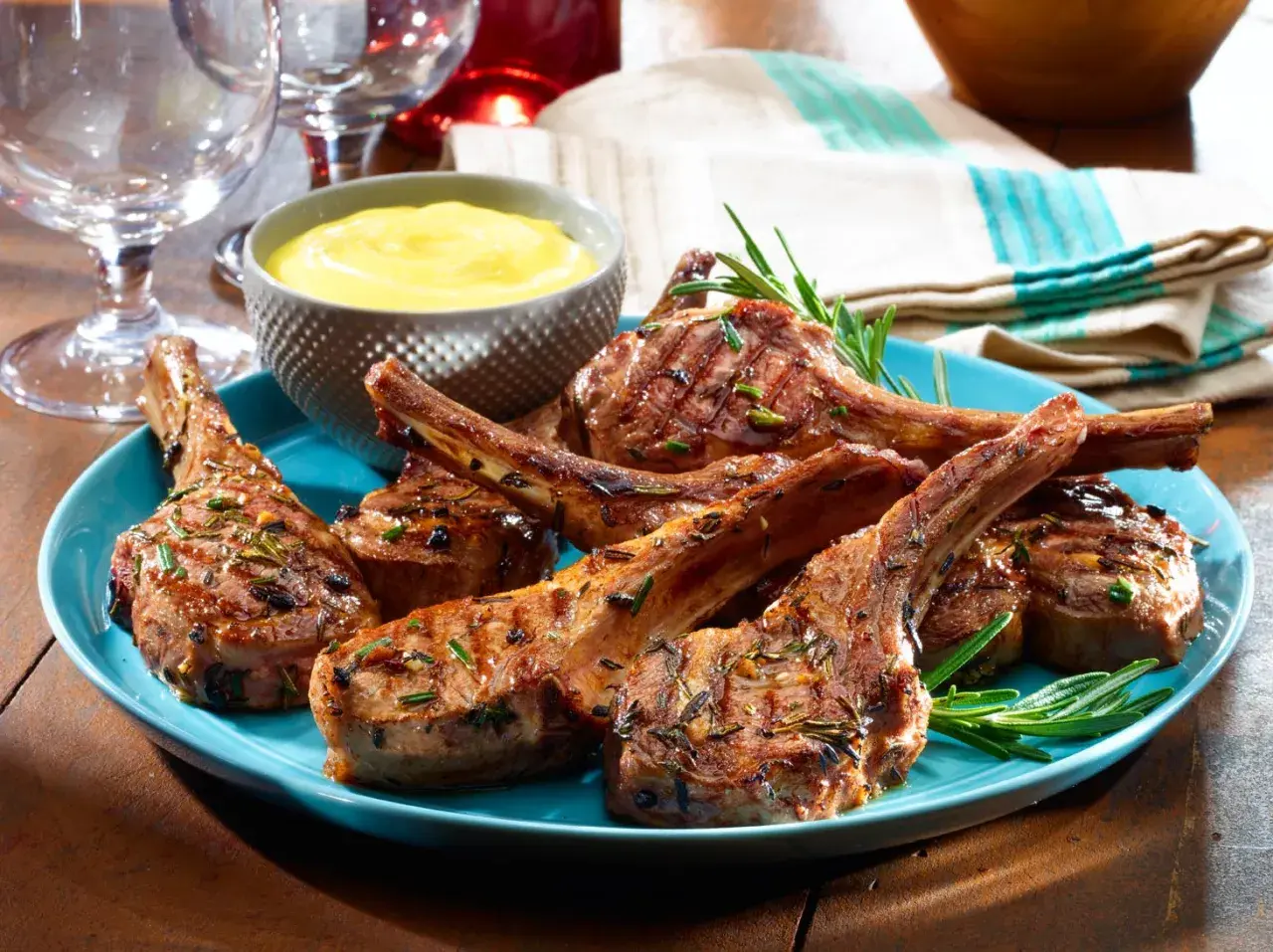
Spanish-style lamb works best when the cut, the heat, and the seasoning are pulling in the same direction. In practice, that means choosing between slow-roasted shoulder, crisp grilled chops, or a long braise with sherry, garlic, and paprika, then serving it with sides that let the meat stay central. I am focusing on the versions that make sense in a UK kitchen, with the Basque and wider Spanish dishes that are actually worth cooking.
What matters most before you start cooking
- Shoulder is the safest choice for a Spanish-style braise because it turns tender without demanding perfect timing.
- Chops are the most direct route to a Basque feel, especially when cooked fast over high heat.
- Sherry, garlic, paprika, olive oil, vinegar, and parsley do more for flavour than a crowded spice rack ever will.
- Lechazo-style roast is the classic Spanish reference point: simple seasoning, clean roasting, strong caramelisation.
- Acidity matters because lamb needs lift at the end, not just richness at the start.
What Spanish lamb usually means in practice
When I talk about Spanish lamb, I am not talking about one fixed recipe. I am talking about a style: meat cooked with restraint, browned properly, then supported by a few bold ingredients that feel native to the Mediterranean and the north of Spain. Spain.info describes roast lamb in Castile-Leon as lechazo, milk-fed lamb roasted in an earthenware dish, while Euskadi tourism points to grilled lamb chops cooked over vine-shoot embers in the Basque Country. Those two examples tell you almost everything you need to know: Spanish lamb can be either very simple and dry-heat driven, or slow, glossy, and sauce-friendly.
For me, the important thing is not copying a single fixed formula. It is understanding the pattern underneath it. Spanish and Basque kitchens tend to use lamb in a way that respects the flavour of the meat instead of covering it with sweet marinades or heavy sauces. That is why garlic, paprika, sherry, olive oil, onion, and a sharp finish matter so much. They sharpen the lamb rather than disguising it. The next question is which dishes show that approach best at home.

The dishes that give you the right flavour fast
If I want the clearest route into Spanish-style cooking, I start with a handful of proven formats. Each one gives a different result, but they all keep the lamb at the centre of the plate.
| Dish style | Best cut | Typical time | Why it works |
|---|---|---|---|
| Basque grilled chops | Chops or rack | 8-12 minutes | Fast heat gives char, smoke, and a clean lamb flavour without much garnish. |
| Sherry and paprika braise | Shoulder | 2.5-3.5 hours | The sauce becomes deep and glossy, and the meat turns soft enough to pull apart. |
| Lechazo-style roast | Leg or small shoulder | 1.5-2.25 hours | The outside browns well while the inside stays juicy, which is what makes the roast feel special. |
| Economy stew | Neck or breast | 3-4 hours | It is the best value choice when you want strong flavour and do not mind a longer cook. |
The table looks simple, but it reflects the real decision. If you want a dinner that feels sharp and immediate, choose chops. If you want something that can sit in the oven while the rest of the meal comes together, choose shoulder. I would not try to make every Spanish lamb dish behave the same way, because the method is doing half the work. A grill, a roasting tray, and a casserole each give a different personality to the meat.
Which cut to buy in the UK
For a UK audience, the smartest move is to shop by cooking method rather than by the name of the dish. Supermarkets and butchers are much more likely to stock shoulder, leg, chops, neck, and diced lamb than anything labelled for a specific Spanish recipe. That is fine. The cut is more important than the label.| Cut | Best use | My rule of thumb |
|---|---|---|
| Shoulder | Slow roast or braise | Choose this when you want forgiving meat and a rich pan sauce. |
| Leg | Roast and carve | Best when you want slices rather than shreddable meat. |
| Chops or rack | Grill or pan sear | Keep the seasoning simple and the cooking fast. |
| Neck or breast | Stew | Ideal when value matters more than presentation. |
I usually push people toward shoulder first, because it is the easiest cut to get right. It has enough fat and connective tissue to stay interesting through a long cook, and that matters in Spanish-style dishes where the sauce is part of the pleasure. Leg is the cleaner, leaner option, but it asks more of the cook. Chops are the quickest win, yet they leave less room for error, so the fire and timing need to be spot on. Once the cut is sorted, the seasoning becomes much easier to judge.
How I season and cook it without losing the meat
The best Spanish lamb is rarely complicated, but it is never bland. I usually think in layers: a dry surface, a hot sear, a savoury base, and a sharp finish at the end. That is enough to make the dish feel specific without turning it into a spice-heavy hybrid that no longer tastes Spanish.
- Dry the lamb well before it hits the pan or oven. Moisture is the fastest way to stop browning.
- Brown in batches if you are using shoulder or diced lamb. Colour matters because it creates the savoury base the sauce needs.
- Build flavour with onion, garlic, and paprika. Smoked paprika is useful, but I keep it in balance so it adds warmth rather than dominating the meat.
- Add sherry or dry white wine to loosen the browned bits from the pan. That is where a lot of the flavour sits.
- Cook gently once the liquid goes in. For shoulder, I want a low oven or very quiet simmer until the meat gives easily. For chops, I want a fast cook and a short rest.
- Finish with vinegar, honey, or lemon in small amounts. The point is to wake the dish up, not make it sweet.
That balance is why Spanish lamb tastes so different from generic Mediterranean roast meat. The paprika brings colour, the sherry brings depth, and the vinegar gives the final lift. Honey can work well, but only as a background note. If the dish starts tasting sticky or dessert-like, the proportions have gone wrong. I also avoid loading it with too many herbs. Parsley is enough in many cases, and rosemary should be used with care because it can take over the whole plate very quickly.
The mistakes that make it feel generic
This is where most home cooks drift away from the real thing. The meat is not the problem. The drift usually happens in the seasoning.
- Using too many spices makes the dish feel borrowed from somewhere else. Spanish lamb usually needs fewer ingredients, not more.
- Skipping browning leaves the meat pale and the sauce flat. You lose the deep savoury base before the liquid even goes in.
- Choosing a lean cut for a long cook gives you dry lamb and a disappointing sauce. Lean and slow is usually the wrong pairing.
- Forgetting acidity at the end makes the finished dish feel heavy. A little vinegar or lemon matters more than people think.
- Over-sweetening the sauce pushes the dish away from Spain and into something softer and less precise.
When I am trying to keep a plate convincing, I ask a simple question: does every ingredient help the lamb taste more like itself? If the answer is no, I remove the extra layer. That approach is especially useful in Basque-inspired cooking, where the strongest dishes often look almost plain until you taste them. The next step is putting that lamb on the table with the right sides.
What to serve with it at the table
The smartest accompaniments are the ones that support the meat without competing with it. I like a Spanish-style lamb plate to feel generous, but not crowded.
- Roasted potatoes are the easiest match because they catch the juices and make the dish feel complete.
- Charred peppers work well with paprika and sherry, and they bring a little sweetness without making the meal heavy.
- Garlicky allioli is ideal with grilled chops or roast lamb, but I serve it in a small amount so it stays a condiment.
- Green beans or a simple leaf salad give the plate some freshness, which helps if the lamb is rich or slow-cooked.
- Rustic bread is not optional in my kitchen when the sauce is good. It is part of the meal, not an afterthought.
If I were putting together a fuller Basque-leaning menu, I would keep the first course light and let the lamb remain the centrepiece. That means no oversized garnish and no side dish trying to outshine the meat. A few potatoes, a pile of peppers, and a clean salad are usually enough. If you want to push the meal a little further, a dry Spanish red or a glass of fino fits the style well, but the plate itself should already be doing most of the work. That leads to the version I would actually cook first.
The version I would make first in a home kitchen
If I wanted the most reliable result, I would start with shoulder. I would brown it hard, soften onion and peppers in the same pan, stir in garlic and paprika, then add sherry, stock, and a little vinegar and honey. After that, I would cook it gently until the meat is soft enough to pull apart with a spoon. That gives me the richest version of Spanish-style lamb without needing a specialist oven or a long list of ingredients.
For a more direct Basque feel, I would switch to chops, season them only with salt, olive oil, and a little garlic, then grill or sear them quickly so they stay juicy. For a roast dinner, I would use leg and keep the seasoning clean: garlic, olive oil, lemon, paprika, and a patient oven. In every case, the logic is the same. Match the cut to the method, keep the seasoning focused, and finish with enough acidity to lift the meat instead of burying it. That is the version I trust, and it is the one that tastes the most convincing on an ordinary weeknight or at a more polished dinner table.
