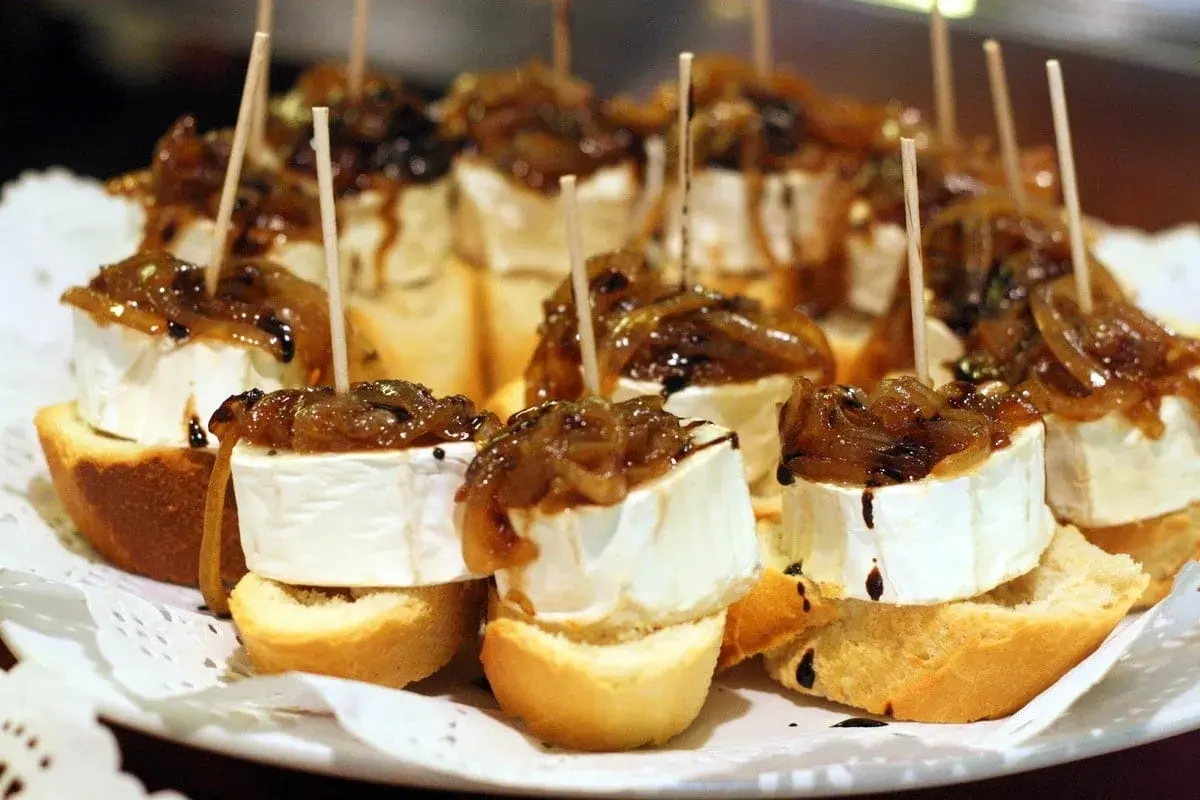
The appeal of pincho recipes is that they turn a few sharp ingredients into something lively without asking for complicated technique. I focus here on the Basque side of the story: what makes a pintxo different from an ordinary tapa, which ingredients are worth keeping in a UK kitchen, and how to build a small board that still feels authentic. I also give a few dependable combinations I would actually serve, not just admire.
What matters most when you cook pintxos at home
- Keep the format small. A pintxo should feel like one or two bites, not a mini sandwich overload.
- Use contrast on purpose. Salty, briny, creamy, crisp, and acidic elements should play off each other.
- Build late. Most pintxos taste better when the final assembly happens just before serving.
- Start with a few classics. A Gilda, a warm seafood bite, and one creamy vegetarian option cover the basics well.
- Shop smart in the UK. Good olives, anchovies, peppers, bread, cheese, and herbs do most of the work.
- Plan portions realistically. I usually count 2-3 pintxos per person as a starter and 5-6 for a light meal.
What makes a pintxo different from a tapa
A pintxo is usually a compact bite, often held together with a cocktail stick or built on a small piece of bread. A tapa is broader: it can be anything from a few olives to a bowl of warm croquetas. In practice, the distinction matters because pintxos are designed around structure as much as flavour. One clear topping, one good base, and one strong point of contrast is usually enough.
That is why Basque-style bar food feels so immediate. You are not building a full plate; you are making a small, deliberate hit of flavour. In home cooking, I think that is the real lesson. If the bite is tidy, balanced, and easy to eat in one or two mouthfuls, you are already close to the right idea. Once that logic clicks, the ingredient list becomes much easier to manage.
The pantry I keep ready for fast pintxos
I do not try to keep every Basque ingredient at home all the time. I keep a short, reliable pantry that lets me build a good plate quickly with ingredients I can buy in a UK supermarket. The goal is not perfect authenticity in every detail. The goal is to have enough contrast on hand that a small bite tastes complete.
| Ingredient | Why it matters | UK-friendly note |
|---|---|---|
| Crusty bread or baguette | Gives the pintxo a firm base and keeps the bite neat | Use a good sourdough, baguette, or country loaf sliced thinly |
| Extra virgin olive oil | Adds richness and carries flavour | Choose one with enough peppery finish to stand up to anchovies and peppers |
| Olives, anchovies, and pickled chillies | Bring salt, acidity, and the classic Basque bar character | Green olives, good tinned anchovies, and pickled guindilla-style chillies all work well |
| Piquillo peppers or roasted peppers | Add sweetness and gentle smoke | Jarred roasted peppers are a practical substitute if you cannot find piquillos |
| Goat cheese or cream cheese | Provides the creamy layer that balances salty or briny toppings | Goat cheese gives more tang; cream cheese is milder and easier for mixed groups |
| Prawns, smoked salmon, or tuna | Make the board feel more substantial and varied | Buy the best quality you can, because seafood shows shortcuts quickly |
| Eggs, parsley, chives, lemon, and sherry vinegar | Lift the flavours and keep rich bites from feeling flat | These are the quiet helpers that make the whole board taste sharper |
If I had to choose only a few things, I would keep olives, anchovies, peppers, bread, a soft cheese, and a lemon. That combination is enough to make several different bites without feeling repetitive. With those basics in place, the cooking becomes assembly rather than rescue work.

Four reliable pintxos to start with
If you are building a board for the first time, I would start with one classic cold skewer, one warm seafood bite, one creamy vegetarian option, and one easy modern variation. That gives you a clean spread of textures without creating a long list of ingredients. The table below helps you decide what to make first.
| Pintxo | Approx. time | Best for | Why it works |
|---|---|---|---|
| Gilda skewer | 10 minutes | Sharp, salty starter | It is the most direct expression of the Basque pintxo style |
| Goat cheese and caramelised onion toast | 30 minutes | Vegetarian boards | The sweetness of the onion and the tang of the cheese do the heavy lifting |
| Garlic prawn pintxo | 12 minutes | Warm serving | It brings aroma, heat, and a more substantial texture |
| Smoked salmon and cream cheese toast | 10 minutes | Quick entertaining | Easy to source, easy to assemble, and useful when the rest of the menu is salty |
The classic Gilda skewer
This is the pintxo I think about first because it proves that a very small bite can still feel complete. It is salty, bright, and direct, with no extra garnish trying to improve it.
- 12 pitted green olives
- 12 salted anchovy fillets
- 12 pickled guindilla peppers or mild pickled chillies
- 1 tbsp extra virgin olive oil
- Pat the olives, anchovies, and peppers dry so the skewers stay neat.
- Thread olive, anchovy, pepper, and another olive onto small cocktail sticks.
- Arrange on a plate and finish with a light drizzle of olive oil.
I like to serve these at room temperature. If they are too cold, the olive oil dulls and the anchovy loses some of its edge. The best version is simple enough that the quality of the ingredients matters immediately.
Goat cheese and caramelised onion toast
This is not the most traditional bar pintxo, but it is one of the most useful because it gives you a creamy, sweet, savoury bite that nearly everyone understands. It also works well on a UK table because the ingredients are easy to find.
- 1 small baguette or country loaf, sliced into 8-10 pieces
- 2 red onions, thinly sliced
- 1 tbsp olive oil
- 1 tsp sugar or a small drizzle of honey, optional
- 100 g soft goat cheese
- 1 tsp thyme leaves
- 1 tsp sherry vinegar
- Salt and black pepper
- Cook the onions slowly in olive oil with a pinch of salt for 20-25 minutes until soft and golden.
- Add sugar or honey if you want a rounder sweetness, then finish with sherry vinegar and pepper.
- Toast the bread, spread with goat cheese, and top with the onions and thyme.
The important part is not the cheese. It is the contrast between the creamy base, the sweet onion, and the slight acidity at the end. If you make the onions in advance, the whole bite becomes much easier to assemble when guests arrive.
Garlic prawn pintxo
This is the warm bite I would reach for when I want something a little more dramatic without making dinner feel heavy. It sits neatly between tapas and pintxo culture, which makes it a good bridge for home cooking.
- 300 g raw peeled prawns
- 2 garlic cloves, finely sliced
- 2 tbsp olive oil
- Pinch of chilli flakes
- 1 tbsp chopped parsley
- 1 tsp lemon juice
- 8-10 small toasted bread rounds or small skewers
- Heat the olive oil gently and soften the garlic for 30 seconds without letting it colour.
- Add the prawns and chilli flakes and cook for 1-2 minutes per side, just until pink.
- Finish with parsley and lemon juice, then spoon onto toast or thread onto skewers.
The risk here is overcooking. Prawns turn rubbery very quickly, and the whole point is to keep them juicy. I remove the pan from the heat as soon as they are opaque and let the residual heat finish the job.
Read Also: Pepito Sandwich - The Ultimate Hot Steak Bocadillo Guide
Smoked salmon and cream cheese toast
This version is less traditional than the Gilda, but I still use it because it is fast, clean, and useful when I need one cooler, milder bite on the board. It is also a sensible option for guests who do not want anchovies or strong cheese.
- 8 small slices of rye bread or baguette, lightly toasted
- 120-150 g cream cheese
- 100 g smoked salmon
- 1 tsp lemon zest
- 1 tsp chopped dill or chives
- 1 tbsp capers, optional
- Black pepper
- Mix the cream cheese with lemon zest, dill or chives, and a little black pepper.
- Spread onto the toast and layer the smoked salmon on top.
- Finish with capers if you like a sharper, saltier finish.
This is the sort of pintxo I make when I want a board to feel balanced rather than narrowly salty. It also buys you a little breathing room if the rest of the menu is built around anchovy, olives, and cheese.
How I serve them so the texture stays right
Pintxos are at their best when they still have a bit of tension in them. Bread should be crisp, not dry. Cheese should be cool, not cold enough to mute the flavour. Hot bites should be served the moment they leave the pan. If I am hosting, I assemble in waves rather than stacking everything on a tray and hoping for the best.
- Count portions realistically. I plan 2-3 pintxos per person for a starter and 5-6 for a light meal.
- Mix temperatures. One cold skewer, one warm bite, and one creamy toast keep the board from feeling flat.
- Keep bread under control. Toast it enough to stay crisp, but not so much that it turns hard and aggressive.
- Use small plates or shared boards. Pintxos are meant to be picked up and eaten easily, not negotiated with.
- Choose drinks with acidity. Dry cider, a crisp white wine, or txakoli all work well; in the UK, a dry sparkling white is a solid substitute.
If I am serving a mixed group, I lean slightly lighter on the salt at the start and let the anchovy or caper-led bites provide the stronger hit later in the meal. That keeps the board enjoyable rather than exhausting. A pintxo spread should invite another bite, not bury the palate.
The mistakes that quietly ruin the result
The biggest pintxo mistakes are not dramatic. They are usually small choices that flatten texture or make the flavour less distinct. I see the same problems again and again, especially when people try to make the food look abundant instead of making it taste focused.
- Overloading the base. Too much topping turns a neat bite into a messy one and hides the main flavour.
- Using tired bread. Soft or stale bread makes even a good topping feel dull.
- Serving everything straight from the fridge. Cold ingredients suppress seasoning and make olive oil less expressive.
- Skipping acidity. A little lemon, vinegar, or pickled pepper is often what keeps a rich bite from feeling heavy.
- Cooking seafood too long. Prawns and fish need very short cooking times to stay pleasant.
- Making only rich bites. A board made entirely of cheese, mayo, and cured meat can feel one-note very quickly.
- Assembling too early. If the toppings sit on the bread for too long, the texture falls apart before the first guest arrives.
When I correct those mistakes, the food usually improves more than it would from a fancier ingredient list. That is the practical truth of pintxos: technique matters, but precision matters even more. If the dish has clarity, you do not need to dress it up.
A Basque-style menu that works in a UK kitchen
If I were putting this together for four people in a UK home, I would keep the menu short and varied: 8 Gildas, 8 goat cheese and onion toasts, 12 garlic prawns, and 8 salmon bites. That sounds generous, but the pieces are small and the mix of cold and warm bites keeps everyone interested. It also means you can prep most of the work ahead of time and only finish the hot elements at the last minute.
- 40 minutes ahead: caramelise the onions and mix the cream cheese filling.
- 20 minutes ahead: slice and toast the bread, then set out the olives, anchovies, peppers, and herbs.
- 10 minutes ahead: assemble the Gildas and salmon bites.
- Right before serving: cook the prawns and finish the warm plates.
That rhythm is what makes the whole thing feel relaxed. The food tastes fresh, the host is not trapped in the kitchen, and the table still has the energy of a proper pintxo bar rather than a random snack spread. If you start with one classic skewer and one warm bite, you will already be very close to the style that makes Basque small plates so memorable.
