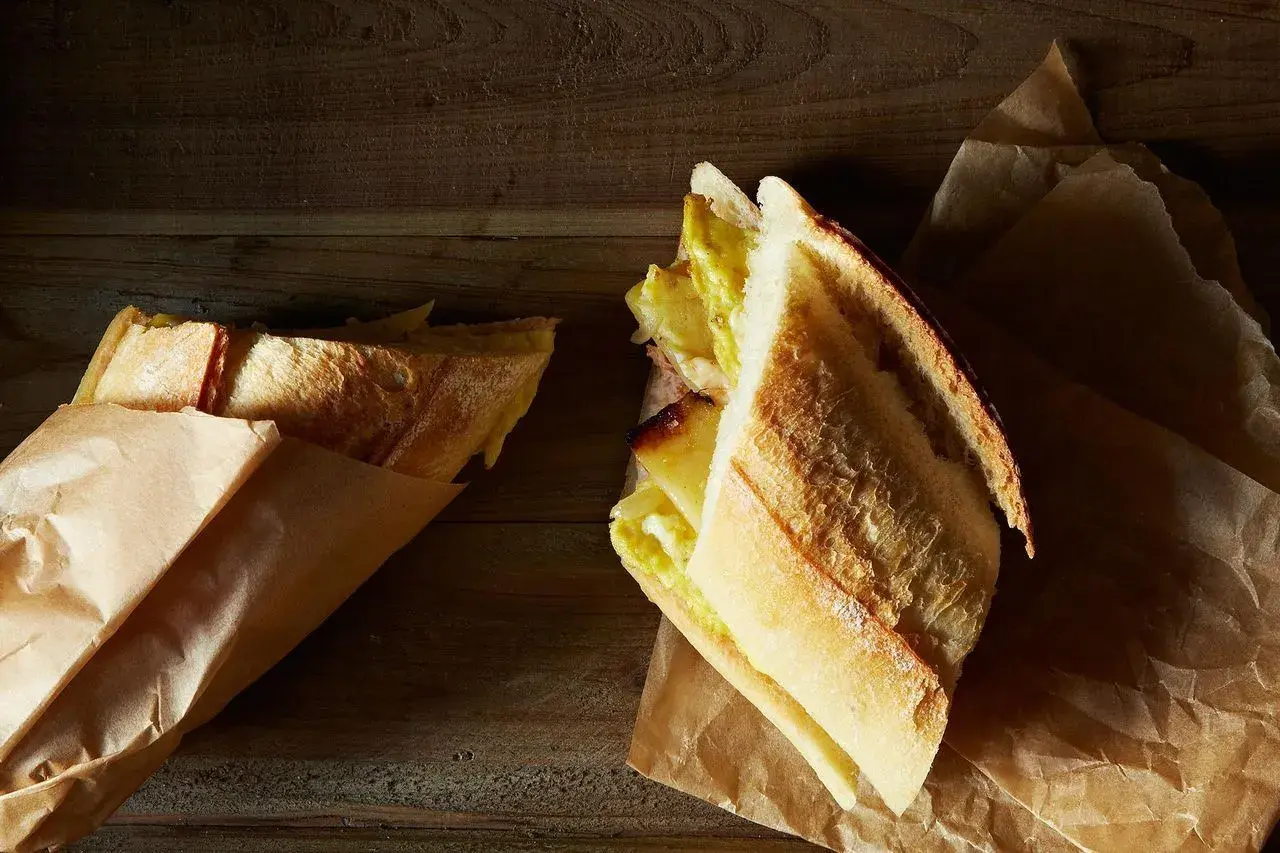
The best versions of a lamb bocadillo are not trying to be delicate. They rely on crusty bread, well-seasoned meat, and one sharp counterpoint so the sandwich tastes complete rather than heavy. In this guide, I break down what the dish is, how it sits between tapas and pintxos, and how to build one that works in a UK kitchen without losing its Spanish character.
The essentials at a glance
- This is a bread-first sandwich: the loaf should hold the meat, not disappear under it.
- In Spain, the lamb version is often linked to the Paquito style of bar sandwich, which has gained real traction in 2026.
- The smartest flavour balance is rich lamb + something acidic + something creamy.
- Pintxo-style thinking helps: keep the portion direct, the garnish tidy, and the flavours obvious.
- For UK diners, this works best as a premium lunch, a tapas-night centrepiece, or a smart use for leftover roast lamb.
What makes this sandwich distinctly Spanish
I think the easiest way to understand it is to stop comparing it to a soft British sandwich. In Spain, a bocadillo is usually built on a baguette-style loaf with more crust and less give, which matters because lamb needs structure. If the bread collapses, the whole thing turns muddy.
The lamb version is often associated with the Paquito name, a modern bar-and-restaurant format that has helped push lamb sandwiches into the mainstream. By 2026, that route has spread through more than 300 Spanish bars and restaurants, which tells you something important: this is no longer a novelty. It is a recognizable style of eating, shaped by the same casual, flavour-led logic that drives tapas bars and pintxo counters.
I would not treat it as a historic relic or a fixed “authentic” recipe. It is better understood as a contemporary Spanish sandwich format that borrows from bar culture, especially the practical side of it: food that can be eaten quickly, shared easily, and made to taste vivid without a long list of ingredients.That difference matters, because the dish changes once you compare it with pintxos and with the sandwiches most British readers know.
Bocadillo, pintxo, or tapas plate
The quickest way to place the sandwich is to compare it with the other formats it gets mixed up with. Tapas are a broad category; pintxos are the Basque expression of small, concentrated bites; and a bocadillo is the fuller bread-based option. A lamb sandwich can borrow ideas from all three, but the final shape should be deliberate.
| Format | Bread structure | Portion size | Best use for lamb | What I would avoid |
|---|---|---|---|---|
| Bocadillo | Crusty baguette or long roll | Lunch-sized, usually one person | Hot slices, shredded roast lamb, or lightly sauced meat | Overstuffing and too much moisture |
| Pintxo | Small slice of bread, often with a skewer or toothpick | One or two bites | Thin lamb slices, croquette-style fillings, or a tiny topping with a sharp sauce | Big chunks of meat that overwhelm the bite |
| Tapas plate | Optional | Shareable, often meant to accompany drinks | Braised lamb, pulled lamb, or lamb with potatoes and peppers | Trying to force it into a sandwich shape when it wants to be plated |
| British sandwich | Sliced bread or soft roll | Varies widely | Leftover lamb and minty condiments if you want a softer, familiar result | Juicy lamb on bread that cannot hold up |
For a tapas night in the UK, I usually lean toward bocadillo structure with pintxo discipline: bold flavour, small number of toppings, no clutter. That balance is what keeps the sandwich interesting instead of merely large.
The flavour formula that keeps lamb from feeling too rich

Lamb brings depth, but it also brings fat and sweetness, so the rest of the sandwich has to work as a counterweight. When I build one, I think in layers rather than in toppings. The goal is not abundance; it is contrast.
| Element | Best choices | Why it works |
|---|---|---|
| Bread | Mini baguette, barra-style roll, or any crusty loaf with a firm crumb | Gives the sandwich shape and stays intact under juices |
| Lamb | Roast leg, shoulder, or thin lamb steaks; leftovers also work well | Delivers the main flavour and benefits from gentle seasoning |
| Acid | Roasted peppers, pickled onions, sherry vinegar, lemon, piparras | Prevents the sandwich from tasting flat or greasy |
| Creaminess | Aioli, garlic mayonnaise, or a light yoghurt sauce | Rounds out the meat and softens the crust |
| Freshness | Parsley, rocket, mint, or a little chopped tomato | Adds lift and stops the bite from feeling dense |
| Spice | Smoked paprika, cumin, black pepper, rosemary | Supports the lamb without taking over |
If I had to reduce the formula to one rule, it would be this: one rich element, one bright element, one soft element. Anything beyond that should earn its place. Cheese can work, but only in a restrained way; otherwise the sandwich loses the clean bar-food character that makes it good in the first place.
That flavour balance is also what makes the sandwich easy to cook at home, because you do not need a long shopping list to get the structure right.
How to make it at home without losing the bar-food character
This is the version I would make on a weeknight if I had good bread and either fresh lamb or leftovers from a roast. It is quick enough for a casual lunch, but still deliberate enough to feel like real cooking.
For 2 sandwiches
- 2 small crusty baguettes, about 18 to 20 cm each
- 300 to 350 g cooked lamb, sliced thin, or 2 lamb steaks if starting from raw
- 2 tbsp olive oil
- 1 tsp smoked paprika
- 1/2 tsp ground cumin
- 1 small garlic clove, finely grated
- 1 small red onion, very thinly sliced
- 1 roasted pepper or 4 strips of piquillo-style peppers
- 2 tbsp aioli or garlic mayonnaise
- A handful of rocket or chopped parsley
- Salt, black pepper, and a few drops of lemon juice or sherry vinegar
- Season the lamb with olive oil, smoked paprika, cumin, garlic, salt, and pepper. If the lamb is already cooked, toss it gently rather than crushing it.
- Warm the meat in a hot pan for 1 to 2 minutes if it is already roasted, or sear lamb steaks for 2 to 3 minutes per side for a quick version. Rest the meat for 5 minutes before slicing.
- Toast the bread cut-side down for about 1 to 2 minutes so it gets a little resistance without becoming dry.
- Spread aioli on the bottom half, then add the lamb, onions, peppers, and greens.
- Finish with a few drops of lemon juice or sherry vinegar, close the sandwich, press it lightly for 30 seconds, and cut it on the bias.
If I am using leftover roast lamb, I often add a spoon of stock or pan juices to the pan for 20 to 30 seconds. That tiny move keeps the meat moist and stops it from tasting reheated. For a faster version, thinly sliced leg steak works well, as long as you do not overcook it.
Once the base recipe is in place, the question becomes how to adapt it for the UK without flattening the Spanish idea.
How I’d serve it in the United Kingdom
In the UK, I would position this as a premium sandwich rather than a gimmicky “Spanish-style” special. That means using genuinely good lamb, bread with backbone, and a price that reflects the ingredients. At home, a realistic cost usually lands around £5 to £9 per sandwich if you use decent British lamb and proper bread. In a restaurant setting, I would expect to see it around £10 to £16, depending on the cut and whether it comes with sides.
British diners usually respond well when the sandwich is served with something sharp on the side rather than a heavy pile of fries. My preferred pairings are simple: a small salad with sherry vinegar, crisps or fried potatoes if you want pub energy, or a few pickled vegetables if you want the table to feel more tapas-led.
| Serving style | What to change | Why I’d choose it |
|---|---|---|
| Lunch plate | Keep the sandwich full size, add a small salad | Best for one person and easy to eat without losing structure |
| Tapas spread | Cut the sandwich into 4 pieces and serve with 2 or 3 smaller bites | Feels closer to pintxo culture and encourages sharing |
| Pub special | Use a sturdier roll and add pickled onions or cabbage | Fits British expectations while keeping the flavour profile vivid |
| Wine-bar version | Use thinner slices, less sauce, and more herbs | Feels lighter and pairs better with wine |
For drinks, I would reach for a dry cider, a crisp white, or a light red such as a young Rioja if the sandwich is heavily seasoned. If you want a more Basque-leaning spread, a small glass of dry cider and a couple of pintxos will do more good than a crowded table of rich sides.
That leaves one final point that matters more than most people expect: why this format works so well alongside pintxos in the first place.
A sandwich that earns its place on the table
The reason this sandwich works is simple, and I think it is the same reason the best pintxos work: every ingredient has a job. Bread gives structure, lamb gives depth, acid keeps the bite alive, and a small creamy note ties everything together. When those parts are balanced, the sandwich feels complete rather than oversized.
My practical rule is straightforward. Use firm bread, properly seasoned lamb, one sharp garnish, and no unnecessary filler. If you get those four things right, the result will sit comfortably beside tapas, hold its own in a pub lunch, and still feel true to the bar-food spirit that makes Spanish small plates so appealing.
If you are serving it as part of a Basque-style menu, keep the rest of the table lean and focused: one cold pintxo, one warm bite, one bright salad, and the sandwich as the anchor. That approach preserves the rhythm of the meal and lets the lamb, rather than the extras, do the talking.
