The short version for getting them right
- Use a thick, cold filling. If it is soft before breading, it will usually leak or collapse in the fryer.
- If you use salted cod, desalt it properly for about 24 hours and change the water several times.
- Keep the oil at 170 to 180 C so the crust browns before the centre loosens.
- Serve them hot with lemon, a garlicky alioli, or a sharp salad to cut the richness.
- For tapas, aim for 3 or 4 per person. For pintxo-style bites, make them smaller and neater.
What makes them more than just fish fritters
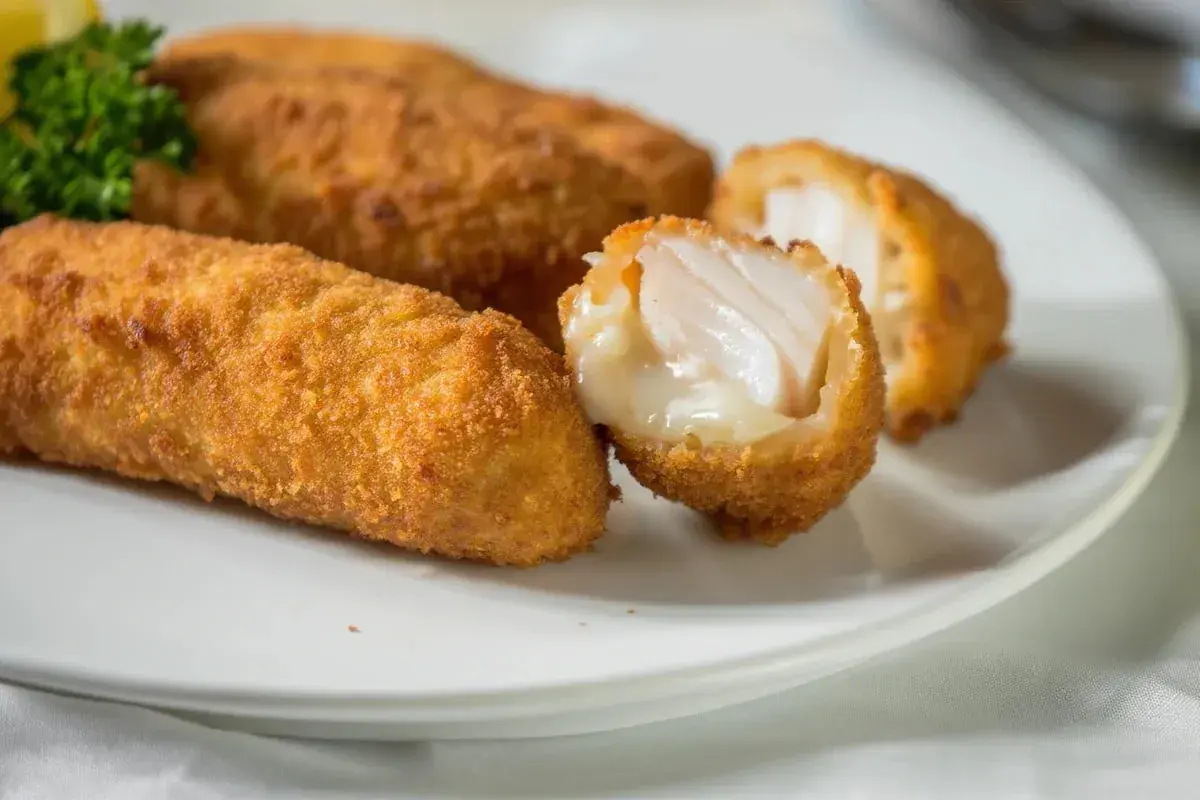
The first thing I look for is contrast. A good croquette should crack lightly when you bite into it, then give way to a soft, creamy centre that still tastes distinctly of fish. That is where these succeed when they are made well: the cod is not buried under the sauce, and the sauce is not so loose that the whole thing feels heavy.
That balance matters in a tapas or pintxos setting because the dish has to earn its place among sharper, brighter bites. In a Basque-style spread, a rich fritter can be excellent, but only if it stays elegant enough to eat alongside olives, peppers, anchovies, or a glass of something dry. Once you understand the texture, the ingredient balance starts to matter much more than the garnish.
Why the filling matters more than the fish
I care more about the structure of the filling than about chasing a clever twist. The best versions use a thick béchamel that has enough body to hold shape, then fold in the fish just enough to keep it savoury and flaky. If the filling is runny before it is chilled, it will almost certainly be runny after breading too.
| Element | What it does | What I would do |
|---|---|---|
| Cod | Gives the savoury backbone | Use salted cod for a deeper flavour, or fresh cod for a milder result; keep the flakes fine |
| Béchamel | Creates the creamy centre and holds the shape | Cook it until it is very thick and glossy, then cool it fully before shaping |
| Breadcrumbs | Seal the surface and create crunch | Use dry, even crumbs for the most even shell |
| Lemon or herbs | Brighten the richness | Use one or two accents, not a long list |
| Salt | Sharpens the flavour | Taste carefully if the fish was already salted |
If you are using fresh cod, I would poach it gently, drain it well, and let it cool before folding it in. If you are using salted cod, soak it in cold water for about 24 hours and change the water several times. That extra step is not optional; without it, the filling can end up aggressively salty instead of balanced. That balance is what makes the shaping stage so unforgiving, which is where technique matters.

Shape and fry them so the centre stays creamy
This is the stage where good ingredients still need discipline. I like to treat the mixture almost like a firm paste: if it spreads too easily on a spoon, it is not ready yet. A proper batch should feel cool, dense, and slightly springy once chilled.
- Make the base thick. Sweat a little onion in butter if you want sweetness, stir in flour, then add milk gradually until the sauce becomes dense and smooth. Fold in the flaked cod and cook it until the mixture pulls cleanly from the pan.
- Season with restraint. Pepper, a little nutmeg, and perhaps a touch of parsley are enough. The fish should still taste like fish.
- Chill it properly. Spread the mixture in a shallow dish, cover the surface, and refrigerate for at least 2 hours. Overnight is better if you want clean shapes.
- Shape small. For pintxo-style bites, I keep them around walnut size, roughly 25 to 30 g each. Larger croquettes are harder to fry evenly and easier to break.
- Coat them evenly. Flour first, then egg, then breadcrumbs. If the mixture is soft, I would repeat the egg-and-crumb stage once more.
- Fry at the right heat. Aim for 170 to 180 C and fry in small batches for 2 to 3 minutes, just until the shell is deep golden.
I always drain them for a minute on a rack rather than burying them on paper, because trapped steam is the quickest way to lose crunch. Once the batch is out of the fryer, the question becomes how you serve it without losing the point of the dish.
How I would serve them on a tapas or pintxos table
My rule is simple: keep the plate restrained. These croquettes already bring richness, so the best companions are sharp, saline, or fresh rather than more creamy. A wedge of lemon, a little alioli, and one crisp salad are often enough to make the whole dish feel balanced.
| Serving style | Typical portion | Best companion | Why it works |
|---|---|---|---|
| Tapas plate | 3 to 4 per person | Lemon and alioli | Good for a relaxed starter or a mixed small-plates table |
| Pintxo bar bite | 1 to 2 small pieces | A small plate or a slice of bread | Easy to eat standing up and easy to pair with a drink |
| Party canape | One bite each | A sharp dip on the side | Keeps the crust intact while guests move around |
For drinks, I like a dry, bright white or a dry cider. Txakoli is the Basque-leaning choice, but a crisp English cider or a very dry white wine can play the same role. The main point is acidity: the drink should lift the fried coating, not sit on top of it. After that, the real risks are practical rather than culinary, and most of them are easy to avoid.
The mistakes that ruin the texture
Most bad batches fail for only a few reasons, and none of them are mysterious. I see the same problems again and again, especially when someone is making croquettes for the first time and assumes the fryer will fix a loose filling.
- The filling is too wet. Fix it by cooking the béchamel longer before chilling. If it does not hold shape cold, it will not hold shape hot.
- The seasoning is too aggressive. Salted fish varies a lot, so taste before you shape. Cod should taste savoury, not briny to the point of exhaustion.
- The oil is too cool. Cold oil gives you greasy croquettes. Keep the temperature between 170 and 180 C and fry in small batches.
- The oil is too hot. If the crust darkens too fast, the centre will still be soft and the shell may split.
- The coating is patchy. If crumbs are falling off, the surface was too damp or the breading was too light. A second crumb coat fixes many small failures.
- The croquettes are too large. Bigger is not better here. Smaller shapes are easier to crisp evenly and feel more in keeping with tapas culture.
If you want the result to stay impressive on a busy day, storage matters as much as the recipe. That is where make-ahead planning becomes useful rather than just convenient.
Make-ahead, freezing and reheating without losing the crust
I prefer to make the filling the day before I need it. That gives it enough time to firm up properly, and it also makes shaping much cleaner. Once shaped and breaded, the croquettes can sit in the fridge for a short while before frying, but they are even better frozen on a tray first and then packed away once solid.
If you freeze them before frying, you can cook them straight from frozen with a slightly longer fry time. That is one of the reasons I think they work so well for British home kitchens: the dish looks special, but the logistics are forgiving if you plan ahead. For reheating cooked croquettes, I would use a hot oven, not a microwave, because the microwave turns the crust soft in seconds.
- Fridge: shaped and breaded croquettes can usually wait overnight without trouble.
- Freezer: freeze on a tray first, then store in a container or bag for several weeks.
- From frozen: fry directly from frozen and add a little extra time.
- Reheating: use a 180 C oven for a few minutes if you must reheat cooked pieces.
Those small choices are what separate a decent snack from a plate that feels properly thought through.
The small Basque details that make the plate feel complete
If I were building the plate in a UK kitchen, I would keep the surrounding food tight and purposeful. A sharp pickle, a little green salad, and one cold drink are usually enough. If you want the spread to feel more Basque, add another bright pintxo rather than another fried item, so the whole table keeps its energy.
- A lemon wedge gives you acidity without hiding the flavour.
- A garlicky alioli adds richness, but only in a small amount.
- Marinated peppers or olives bring the saline edge that fried food needs.
- A simple green salad keeps the plate from feeling one-dimensional.
For me, the best version is the one that feels light on the palate even though it is fried. Keep the filling thick, the seasoning measured, and the oil hot enough to seal the crust fast, and the croquettes will feel at home on both a tapas table and a pintxos counter.
