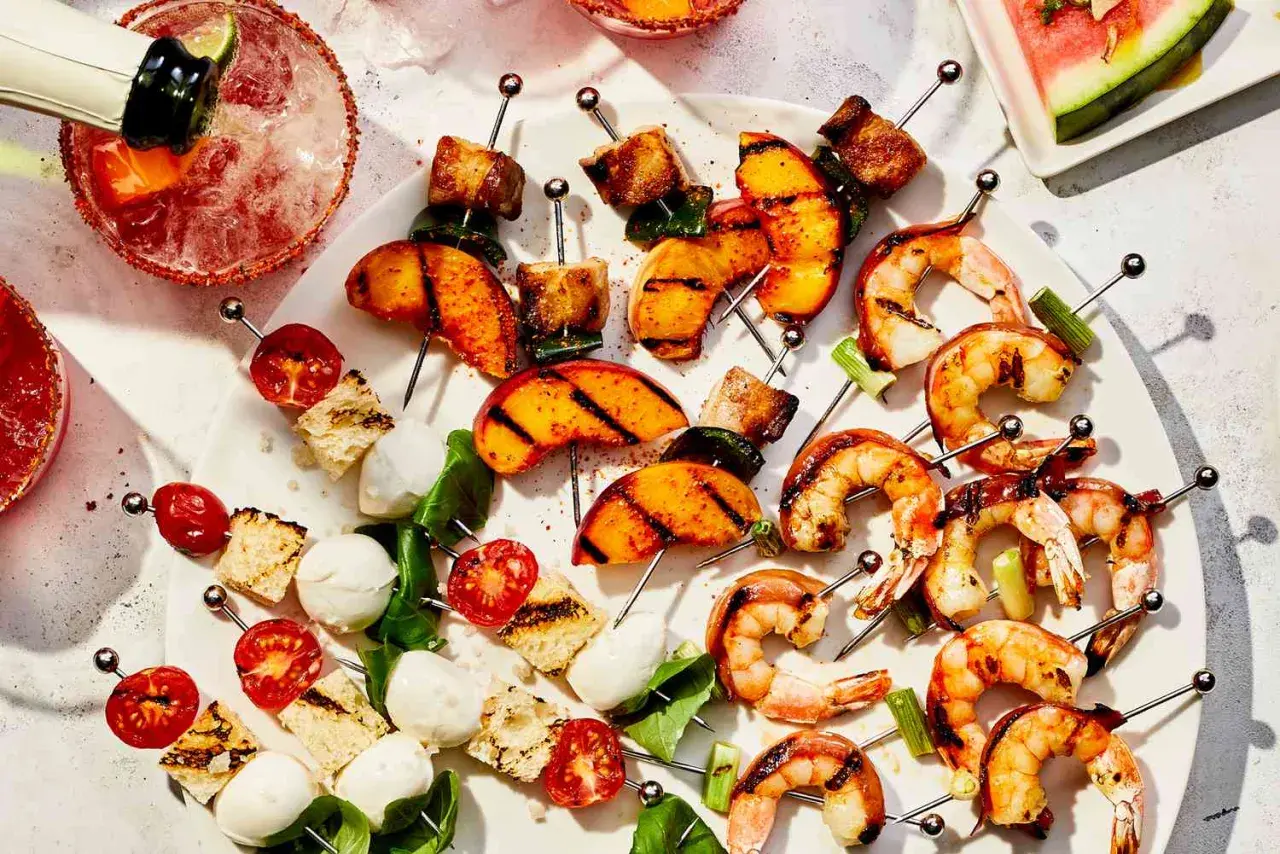
A good tapas recept works best when it feels relaxed, not fussy: a few bold flavours, small portions, and enough contrast to keep every bite interesting. In this guide, I focus on the Spanish small plates that make sense at home in the UK, from classic tapas to Basque-style pintxos, plus the timing, shopping and serving choices that keep the spread coherent. If you want food that is easy to share, quick to assemble and still rooted in Spanish bar culture, this is the practical version.
The best tapas spread balances salt, acid, crunch and one or two warm dishes
- Tapas is the broader category; pintxos are the Basque style, usually smaller and often bread-based or skewer-held.
- I would rather make 5 to 7 well-chosen bites than overload the table with random extras.
- For a home spread, one potato dish, one egg dish, one seafood bite, one vegetable bite and one cold bite is a strong formula.
- Good olive oil, smoked paprika, garlic, bread, olives and tinned fish do most of the heavy lifting.
- For a UK kitchen, I would budget roughly GBP 5 to 10 per person for a simple spread and GBP 10 to 15 for a more generous one.
What tapas and pintxos mean in practice
The difference matters because it changes how I build the table. Tapas is the wider Spanish idea: small plates that can be hot or cold, simple or fairly composed, and shared across the table. Pintxos are the Basque version I reach for when I want something more architectural, usually a bite or two on bread, often held together with a skewer or toothpick.
| Feature | Tapas | Pintxos |
|---|---|---|
| Format | Small plates, served in dishes or on boards | Compact bites, often on bread or on a skewer |
| Range | Hot, cold, saucy, fried, baked | Usually more composed and hand-held |
| Best use at home | A flexible shared dinner or drinks spread | A standing snack table or cocktail-style gathering |
| What matters most | Variety, pacing and temperature | Assembly, balance and one- or two-bite eating |
| Classic example | Patatas bravas | Gilda |
For home cooking, I do not treat this as a strict rulebook. I treat it as a useful filter: if a dish needs a fork and a long sit-down, it is probably tapas; if it can be picked up cleanly and eaten in two bites, it belongs closer to the pintxos end of the table. Once that distinction is clear, the next job is choosing the ingredients that make those dishes easy to repeat.
The pantry that makes Spanish small plates easier
I do not try to stock a separate “Spanish kitchen” at home. I keep a short pantry of ingredients that unlock a lot of tapas recipes, and that matters even more in the UK, where the easiest wins usually come from good basics rather than rare imports. If I have olive oil, garlic, eggs, potatoes, bread, tomatoes, olives and one or two jars or tins with character, I can build a convincing spread fast.
- Extra-virgin olive oil for frying, dressing and finishing. If the oil tastes flat, the food will too.
- Smoked paprika for bravas sauce, marinades and any dish that needs depth without fuss.
- Garlic because so many tapas start with it in hot oil.
- Eggs and potatoes for tortilla espanola, one of the safest crowd-pleasers on the table.
- Crusty bread for pan con tomate, pintxos and anything that needs a base.
- Olives, anchovies and other tinned fish for instant salty balance.
- Sherry vinegar or red wine vinegar to keep fried food from tasting heavy.
- Piquillo peppers or padron peppers for a fast vegetable plate with real personality.
- Manchego or another firm sheep's cheese for a no-cook option that still feels deliberate.
If one ingredient is hard to find, I swap rather than stall. Shishito peppers are a sensible stand-in for padron peppers, and a good crusty baguette can cover a lot of ground if I cannot get traditional Spanish bread. With the cupboard sorted, the useful part is choosing a few dishes that give the spread shape instead of noise.
Hot tapas that anchor the table
These are the dishes I use when I want the meal to feel complete. They bring heat, texture and enough substance that nobody leaves hungry, but they are still small enough to keep the tapas format intact.
Patatas bravas
I cut about 600 g of waxy potatoes into 2 cm chunks, toss them with olive oil and salt, then roast them at 220 C for 25 to 30 minutes until crisp. For the sauce, I soften 1 small onion and 2 garlic cloves, stir in 1 tsp smoked paprika, 1 tbsp tomato pureee, 200 ml passata, 1 tsp sherry vinegar and a pinch of sugar, then simmer for about 10 minutes. I like this dish because it gives the table a clear centre of gravity: everyone knows what it is, and it disappears fast.
Gambas al ajillo
This is the quickest hot tapa I make when I want a restaurant feel without much work. I warm 3 tbsp olive oil with 3 sliced garlic cloves and 1 small dried chilli for about 30 seconds, add 300 g peeled raw prawns, then cook for 2 to 3 minutes until just pink. A little parsley and lemon at the end is enough. The mistake here is burning the garlic or overcooking the prawns; the oil should smell rich, not bitter.
Tortilla espanola
For a proper tortilla, I cook 400 g sliced potatoes and 1 onion slowly in oil until soft, drain them well, then mix them with 5 beaten eggs and salt. I pour the mixture into a small frying pan and cook it gently for 3 to 4 minutes per side, or until just set. I let it rest for 10 minutes before slicing. That rest matters: it gives the tortilla a cleaner cut and better texture, especially if you plan to serve it at room temperature rather than straight from the pan.
Once the hot plates are in place, the table needs the Basque-style bites that make the spread feel sharper and more complete.

Basque pintxos and cold bites worth copying
When I want the meal to lean more Basque than generic Spanish, I add small, composed bites that can be picked up easily and eaten without much ceremony. These are also the dishes that make the table look thoughtful without requiring a chef's level of effort.
Gilda
The Gilda is the cleanest pintxo to start with: 1 olive, 1 anchovy and 1 pickled pepper on a skewer. I like to finish it with a tiny drizzle of olive oil, but I keep the assembly simple because the point is the contrast of briny, sharp and salty in one bite. It is a useful reminder that pintxos do not need complexity to feel complete.
Pan con tomate
I toast slices of crusty bread, rub them with a cut garlic clove, grate over ripe tomato and finish with olive oil and flaky salt. If the tomato is weak, the dish is weak, so I only make it when the fruit is good enough to carry the flavour. This is the quickest way to give the table freshness and keep all the fried food from feeling too heavy.
Pimientos de padron
I fry 250 g of padron peppers in 2 tbsp olive oil until blistered, then salt them immediately. The ideal version is simple: some peppers are sweet, one or two are hotter, and the whole plate tastes alive. If I cannot find padron peppers, shishitos do a respectable job, especially in a UK kitchen where access can vary by season and shop.
Read Also: Chorizo al Vino - Perfect glossy tapas every time
Manchego with membrillo
This is my no-cook insurance policy. I slice 150 to 200 g of Manchego and serve it with quince paste, ideally with a few almonds or olives nearby. It works because it gives the table a quiet, creamy counterpoint after the sharper and hotter dishes, and it buys me time if the rest of the cooking is running behind.
With those pieces, I can build a spread that feels intentional instead of crowded. The next question is how much to make for the number of people actually eating.
How I size the spread for four, six or eight people
The easiest mistake is to treat tapas like a buffet and overbuy. I plan by appetite, not by ambition. If tapas is the meal, I want enough variety to keep people interested, but I still want the food to vanish by the end of the evening rather than sit around looking tired.
| Group | What I would make | Practical amount |
|---|---|---|
| 4 people | 3 hot dishes and 2 cold bites | About 6 to 8 bites each if it is a light dinner |
| 6 people | 3 hot dishes and 3 cold bites | About 8 to 10 bites each, plus bread |
| 8 people | 4 hot dishes and 3 or 4 cold bites | Enough for 20 to 24 small pieces of the smallest items |
My rough rule is simple: one potato dish, one egg dish, one seafood dish, one vegetable bite and one bread-based pintxo is the minimum shape of a good table. If I add a cheese or charcuterie plate, it is there to support the spread, not to replace real cooking. That balance only works if the timing is tight, which is where most home cooks lose momentum.
Timing, make-ahead work and a realistic UK budget
I split the work across the day so I am not trapped in the kitchen when people arrive. The dishes that improve with a little resting time go first, and the last-minute items are the fast ones.
- Earlier in the day: make the bravas sauce, slice the tortilla ingredients and set out the toppings.
- 1 to 2 hours before serving: cook the tortilla, roast or parboil the potatoes, and chill or hold the cold bites.
- 10 to 15 minutes before serving: fry the prawns and the padron peppers, then toast the bread.
- At the table: assemble the gilda and pan con tomate right before eating so the textures stay sharp.
For budgeting, I would expect a straightforward UK supermarket version for 4 people to land around GBP 20 to 30 if I lean on eggs, potatoes, bread, olives and one seafood dish. If I add prawns, Manchego and cured meat, I would plan closer to GBP 35 to 50. The biggest cost swing comes from seafood and cheese, followed by charcuterie. That is why I build the core of the table around ingredients that do not need to be expensive to taste good.
Even a tidy plan can fall flat if a few small mistakes creep in, so I keep a short mental checklist before I start cooking.
Where home cooks usually lose the flavour
- Too many dishes, not enough contrast. Five similar salty bites feel dull fast; I want hot, cold, soft, crisp, briny and fresh working together.
- Garlic that burns in the oil. Once it turns bitter, the whole dish suffers, especially in gambas al ajillo.
- Underseasoned potatoes and eggs. Tapas is small, which means blandness is even more obvious.
- Weak bread. For pan con tomate and pintxos, the bread is structure, not decoration.
- Serving everything at the wrong temperature. Some bites should be hot, but many pintxos are better warm or room temperature.
- Too much sauce. Bravas sauce and aioli should support the food, not drown it.
The quickest fix is to keep one sharp element on the table, usually vinegar, tomato, pickles or lemon, so the richer dishes stay readable. Once that is in place, the final step is deciding what to pour and how to make the table feel finished.
What I would pour and place on the table last
For a Basque-leaning spread, I like something dry and bright rather than heavy or sweet. Txakoli is the obvious regional match if you can find it, but a dry white wine, a crisp lager, dry vermouth or even a sparkling white alternative all work well. With food this salty and lively, the drink should refresh the palate instead of fighting it.
I also put out small plates, napkins and toothpicks before anyone sits down. That sounds minor, but it changes the whole rhythm of the meal: people can graze, talk and keep moving without asking for anything every five minutes. If I want one final touch, I add a bowl of olives or salted almonds to bridge the gap between dishes, because the best tapas table never feels like a sequence of courses. It feels like a conversation that keeps opening into one more good bite.
