Rabas fritas sit right at the intersection of quick bar food and serious regional cooking, which is why they keep showing up on tapas and pintxos menus. The dish looks straightforward, but the difference between tender, crisp squid and a greasy, chewy plate is surprisingly small: cut, coating, oil temperature, and timing all matter. In this article I break down what to expect in a Spanish bar, how to judge a proper portion, how to make a reliable version at home, and what to pair it with in the UK.
What matters most before you order or cook fried squid
- Good fried squid should be crisp outside and tender inside, never greasy or rubbery.
- In tapas bars it is usually a shared starter; in pintxos settings it often appears in smaller, quicker portions.
- Freshness, dryness, and hot oil matter more than complicated seasoning.
- Lemon, aioli, and a cold drink are the safest classic pairings.
- If you cook it at home, fry in small batches at about 180°C and serve immediately.
What fried squid really is and why the name changes
In English, most people know the dish as calamari, but in Spain the wording shifts by region and by the way the squid is cut. In much of the country you will see rings; in the north, especially around the Basque and Cantabrian bar scene, you often get short strips that fry more evenly and feel a little more relaxed to eat with a drink. I tend to prefer that northern style because it looks less polished and more honest: the squid should taste like squid, not like batter.
The idea is simple. Clean squid is lightly coated, fried quickly, seasoned at the end, and served hot. That short description hides the real challenge, because squid turns tough if it stays in the oil too long, and it turns dull if the coating is heavy or the oil is not hot enough. Once you know that, the dish becomes easier to read and easier to enjoy. That leads straight to the social side of the plate, which is where tapas and pintxos culture make it interesting.
Why it belongs on a tapas or pintxos table
Fried squid works because it fits the rhythm of Spanish bar eating. It is fast to cook, easy to share, and strong enough to stand next to beer, wine, or cider without needing a complicated sauce. In a tapas bar, it usually arrives as a shared starter for the table; in a pintxos setting, the same flavour profile may appear as a smaller bar-top portion that is designed for quick service and quick eating.
| Service style | Typical portion | How it feels | Best use |
|---|---|---|---|
| Tapas plate | Enough for 2-3 people to share | Relaxed, table-based, meant to be lingered over | Starting a meal or building a few dishes together |
| Pintxos portion | A few bites or a small bar snack | Quick, standing, easy to eat between drinks | Bar hopping and short stops at the counter |
| Home starter | About 125-175 g squid per person | Casual, best served immediately | A simple first course with one or two drinks |
That difference matters more than it sounds. Tapas invite conversation at the table; pintxos ask you to keep moving. The same squid can work in both settings, but the serving style changes the mood completely. Once you see that, you start to understand why the plate is so common in the north of Spain, where bar culture is built around small, repeatable bites rather than long, formal service. Next comes the practical question: how do you know when the plate in front of you is actually good?

How to spot a plate that was cooked properly
When I order fried squid, I look for a few things immediately. The surface should be lightly crisp, not thick or doughy. The color should be pale gold rather than dark brown. The squid should still have a springy bite, but not the rubber-band chew that tells you it sat too long in the fryer.
| What I see | What it usually means | Why it matters |
|---|---|---|
| Dry, crisp coating | The squid was dried properly and fried at the right temperature | Moisture is the enemy of crunch |
| Pale golden color | The oil was hot enough for a fast fry | Fast cooking keeps the squid tender |
| Light aroma, not greasy smell | The oil is fresh or at least clean enough to avoid stale notes | Old oil flattens the flavor immediately |
| Simple lemon wedge or aioli on the side | The kitchen trusts the squid to speak for itself | Good squid does not need to hide |
| Hot plate, served fast | The fryer and the pass are working together | Even a good fry turns limp if it waits too long |
If you are eating out and the squid arrives lukewarm, glossy, or buried under sauce, I would treat that as a warning sign. A proper plate should feel immediate. The best versions rarely wait more than a couple of minutes between fryer and table, and that urgency is part of the charm. If you want that same result at home, the method is straightforward, but it rewards precision.
How I would make it at home without losing the crunch
For a simple home version, I keep the ingredient list short and the frying time even shorter. I want the squid to taste fresh, not masked by a heavy batter. Frozen squid can work well if it is fully thawed and dried, but the drying stage matters more than the label on the packet.
| Ingredient or step | Practical amount | My note |
|---|---|---|
| Squid | 500 g for 2 generous starters | Cut into strips or rings about 1 cm wide |
| Plain flour | 80-100 g | Use just enough to give a light dusting |
| Oil | Enough for deep frying, or at least 4-5 cm in the pan | Neutral oil or a mild olive-oil blend works well |
| Frying temperature | 175-180°C | Hot enough for quick color, not so hot that the coating burns |
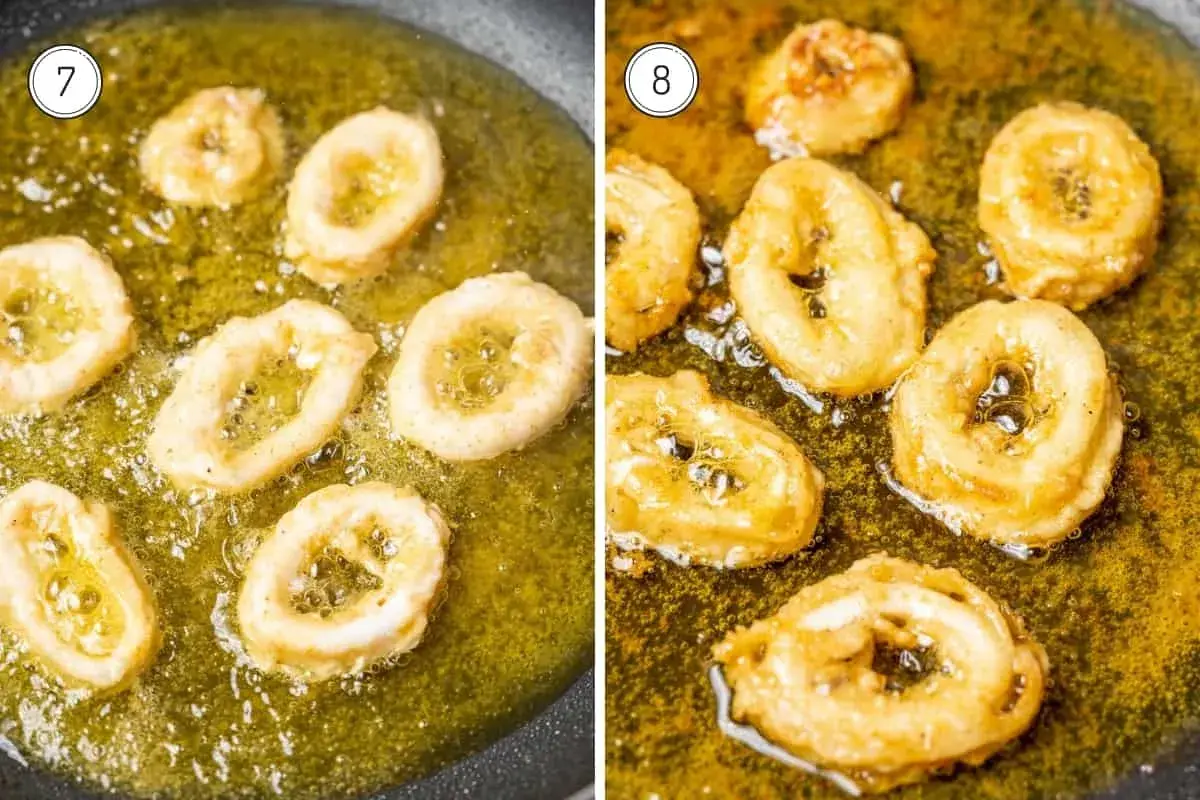
| Frying time | 60-90 seconds per batch | Overcooking is the fastest way to ruin it |
- Pat the squid very dry with kitchen paper and leave it briefly on a rack if needed.
- Season lightly with salt just before coating.
- Dust the pieces in flour and shake off the excess.
- Fry in small batches so the oil temperature does not crash.
- Drain on a rack or paper for a minute, then salt again if needed.
- Serve immediately with lemon on the side.
I would not complicate it much beyond that. A thick batter, an overloaded pan, or a long rest on paper towels can undo everything. If you want a more Basque-feeling result, keep the seasoning restrained and let the texture do the work. Once the method is set, the drink and side choices are what make the plate feel complete, especially for a UK audience that may be serving it alongside more familiar bar food.
What I would serve with it in the UK
For UK readers, the easiest translation is to think of it as a seafood starter that likes the same companions as a good pub snack, only with a little more brightness. A cold lager works because it resets the palate. A dry cider works even better if you want a sharper, more British-leaning match. If I want the dish to feel closer to the Basque coast, I reach for a crisp white wine or something like txakoli, which has the acidity to cut through the oil without fighting the squid.
| Drink or side | Why it works | My take |
|---|---|---|
| Dry cider | Sharp enough to cut salt and oil | My top UK-friendly pairing |
| Crisp lager or pilsner | Cold, clean, and refreshing | The safest all-round option |
| Txakoli | Bright acidity and a coastal feel | Best if you want the dish to feel authentically Basque |
| Albariño | Fruit, lift, and a dry finish | Works well when the squid is lightly seasoned |
| Lemon and aioli | Adds freshness and richness without hiding the squid | Use both lightly, not as a blanket sauce |
I usually avoid heavy, overly sweet sauces unless the squid itself is very plain, because they flatten the dish instead of supporting it. A small salad with sharp leaves or a few pickled peppers can also help if you want more contrast on the table. The final difference, though, comes down to a handful of habits that either protect or ruin the texture.
The small details I never skip before serving it
The dish is simple enough that tiny mistakes show up immediately. That is why I pay attention to the details most people dismiss as fussy.
- Do not crowd the pan. Too many pieces at once drop the oil temperature and create soft squid.
- Salt at the right moment. Salt too early and the squid starts shedding moisture before it fries.
- Keep the coating light. Too much flour makes the bite heavy and masks the seafood.
- Serve it fast. A good plate should reach the table while the exterior is still crisp.
- Use a rack if you can. Paper alone traps steam, which is the enemy of crunch.
- Respect the oil. Fresh oil does more for flavor than most extra seasonings ever will.
If I were writing a short rule for the whole dish, it would be this: treat the squid gently, but cook it decisively. That is what separates a forgettable bar snack from a plate that feels at home in a Basque pintxos crawl, even if you are eating it in the UK.
