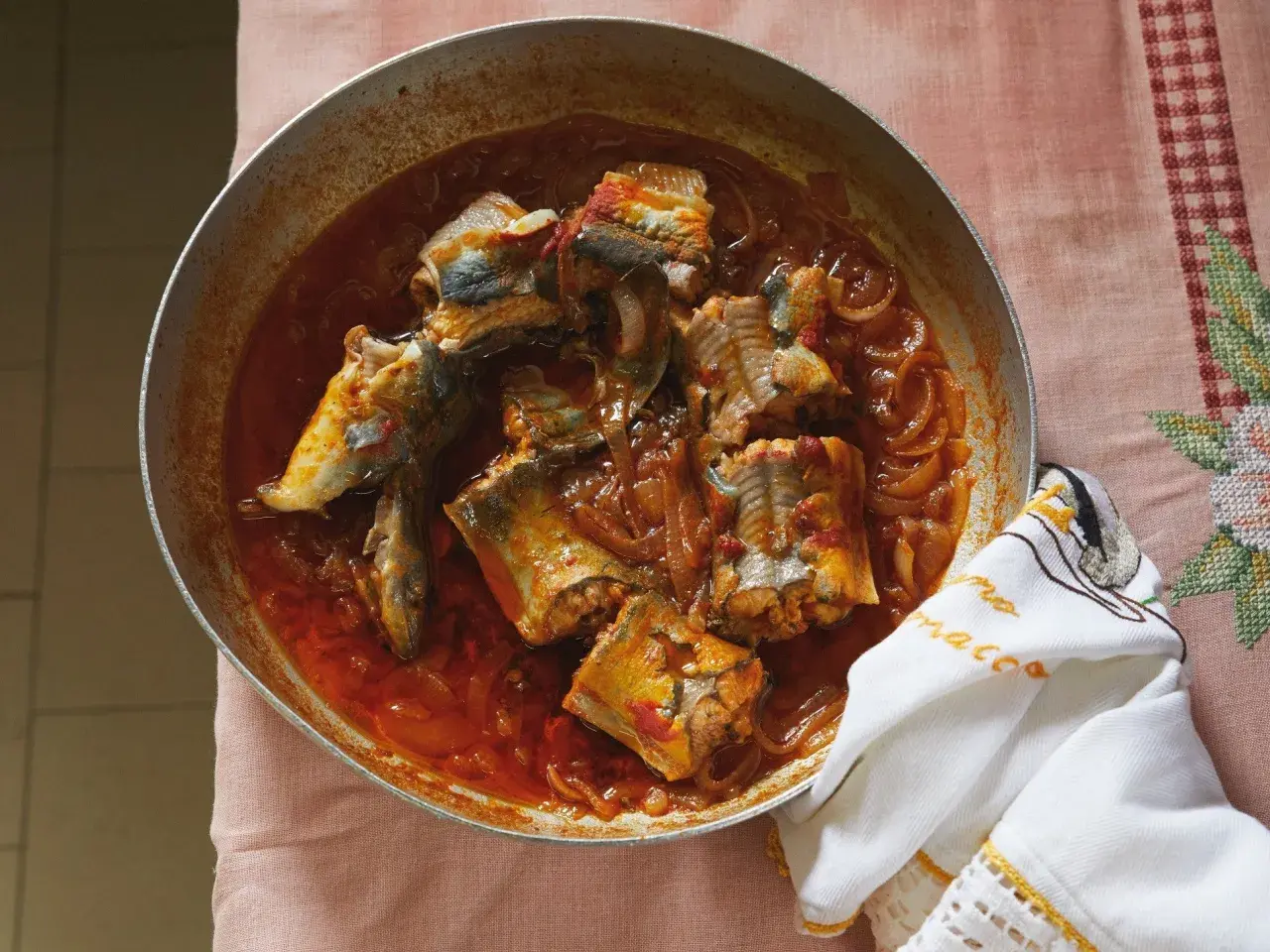
Rich, oily eel rewards simple treatment: a quick smoke, a hard grill, or a slow simmer all produce very different results. These eel recipes work best when you match the cut, the heat, and the seasoning instead of forcing the fish into one generic method. In this guide I focus on the eel styles that make sense in a UK kitchen, the techniques that give the best texture, and a Basque-inspired garlic-and-chilli dish that shows why this seafood can be so satisfying.
The quickest route to good eel cooking is choosing the right style first
- Smoked eel is the easiest entry point for home cooking in the UK.
- Fresh eel is best when you either cook it fast and hot or braise it slowly.
- Jellied eel and Basque-style garlic eel both rely on restraint, not heavy sauce.
- For fresh eel, I aim for a centre temperature of 70°C for 2 minutes.
- Sharp sides such as lemon, apple, horseradish, or vinegar keep the plate balanced.
Choose the eel form that fits the dish
The biggest mistake is treating every eel the same. Fresh eel has a firm, meaty feel; smoked eel brings smoke and salt in one go; jellied eel is a heritage dish built around texture; and baby eel or elvers are so delicate that they need almost no cooking. In UK shops, smoked eel is usually the easiest starting point, while fresh eel is better when you have a fishmonger who can dress it properly.
| Form | Best for | Flavour and texture | My take |
|---|---|---|---|
| Fresh eel | Grilling, pan-frying, braising | Rich, firm, slightly meaty | Best when you want the fish itself to be the focus |
| Smoked eel | Canapés, salads, pasta, toast | Deep, savoury, oily, ready to eat | The simplest and most reliable choice for home cooks |
| Jellied eel | Cold plates, traditional servings | Mild fish flavour, soft set texture | A classic if you want something specifically British |
| Baby eel or elvers | Very brief pan cooking, Basque-style dishes | Delicate, expensive, lightly sweet | Best treated as a luxury ingredient rather than an everyday buy |
That basic decision changes everything else. Once you know which form you have, the heat strategy becomes much simpler, because each version wants a different kind of treatment.

The methods that give eel the best texture
I think of eel as a seafood that likes decisive cooking. Thin fillets can be grilled or pan-fried; thicker pieces are better braised; smoked eel can stay cold; and jellied eel belongs to the low-and-slow world. For fresh eel, I aim for a centre temperature of 70°C for 2 minutes, then stop as soon as the flesh turns opaque and just starts to flake.| Method | Typical time | Best use | What to watch |
|---|---|---|---|
| Grill or broil | 6 to 8 minutes total | Fillets or steaks with a light glaze or oil | Great for browning, but it dries out if you leave it too long |
| Pan-fry | 3 to 4 minutes per side | Small pieces or skin-on portions | Use medium-high heat and do not crowd the pan |
| Bake | 12 to 18 minutes at 180 to 200°C | Hands-off cooking with a light sauce or parcel | Useful when you want even cooking and less handling |
| Braise or stew | 25 to 35 minutes | Bone-in eel and richer, traditional recipes | Keep enough liquid in the pan so the flavour stays rounded |
| Serve smoked eel cold | No cooking needed | Canapés, salads, toast, or simple starters | Avoid heavy reheating, which flattens the smoke |
That is exactly why I like a Basque-style garlic dish as a benchmark recipe: it strips everything back to the essentials and shows how little eel actually needs.
A Basque-style garlic-and-chilli eel dish that stays honest
The Basque approach is the one I recommend when you want flavour without clutter. Angulas a la bilbaína is traditionally built on garlic, chilli, and olive oil, and I like that discipline: the eel should taste clean, not masked. Because true baby eel is scarce and expensive, I often treat this as a flavour template and use a small amount of smoked eel or properly dressed fresh eel instead.
- 150 to 200 g eel, or smoked eel if that is what you can source
- 3 tbsp good olive oil
- 3 to 4 garlic cloves, sliced thin
- 1 small red chilli, sliced
- Sea salt, chopped parsley, and toasted bread to serve
- Warm the oil gently and let the garlic soften without browning hard.
- Add the chilli and, if using fresh eel, add the pieces and cook just until opaque.
- If using smoked eel, take the pan off the heat first and warm the fish through very briefly.
- Finish with parsley, a pinch of salt, and bread to catch the oil.
I keep lemon on the side rather than squeezing it straight into the pan, because too much acidity can flatten the garlic. That little bit of restraint is what gives the dish its clarity and keeps it from turning into something generic.
How to prepare fresh eel without making a mess of it
Fresh eel looks more awkward than it really is. I ask the fishmonger to skin and dress it whenever possible, because that is the easiest way to avoid slipping, tearing, and wasting time. If I am preparing it myself, I keep the fish cold, dry it well, and work with a towel so I can grip it properly.
- Chill first. Cold eel is easier to handle and cuts more cleanly.
- Dry it before seasoning. Moisture stops browning and gives you a steamed surface.
- Cut sensible pieces. 5 to 7 cm lengths are easier to manage than long, floppy sections.
- Season simply. Salt, pepper, lemon zest, or a little fennel is enough.
- Choose the right finish. Quick grilling, pan-frying, or braising all work; random medium heat usually does not.
I do not bother with aggressive marinades. Eel already has enough character, and heavy sugar-based glazes can scorch before the flesh is done. Once the prep is clean, the next job is pairing the fish with the right side dishes so the plate feels balanced rather than heavy.
The sides and sauces that balance eel properly
Eel is rich enough that I usually build the plate around contrast. Acid, crunch, and herbs make a bigger difference than extra butter or cream, and that is true whether I am serving smoked eel on toast or a grilled fillet with potatoes.
| Eel style | Best partner | Why it works |
|---|---|---|
| Smoked eel | Beetroot, apple, horseradish, watercress | The sweetness and sharpness cut through the smoke and fat |
| Grilled eel | Lemon, charred greens, new potatoes | Freshness and texture keep the plate lively |
| Jellied eel | Malt vinegar, white pepper, mash, parsley liquor | The acidity and starch give a traditional East End balance |
| Basque-style eel | Bread, roasted peppers, tomato salad | Simple, clean sides let the olive oil and garlic stay in front |
| Braised eel | Leeks, fennel, light wine sauce | Soft vegetables and a restrained sauce suit the deeper flavour |
If the plate already feels rich, I reach for sharper vegetables rather than a cream sauce, because eel does not need help being luxurious. That thinking leads naturally to the question of what I would actually cook first in a UK kitchen.
What I would cook first in a UK kitchen
- For the easiest first try, use smoked eel on buttered sourdough with lemon, chives, and black pepper.
- For a traditional London plate, make jellied eel with mash, vinegar, and plenty of white pepper.
- For a Basque-leaning starter, use the garlic-and-chilli treatment and keep the eel portion small.
- For a proper dinner, grill fresh eel and serve it with potatoes and bitter greens.
I also buy eel with care. European eel is widely treated as a conservation concern, so I prefer reputable suppliers, clear origin information, and portions that let the fish stay a special ingredient rather than an everyday habit. That is the approach that keeps the cooking honest: small choices, sharp seasoning, and enough restraint for the flavour to come through, which is exactly what makes eel such a distinctive seafood on a British table.
