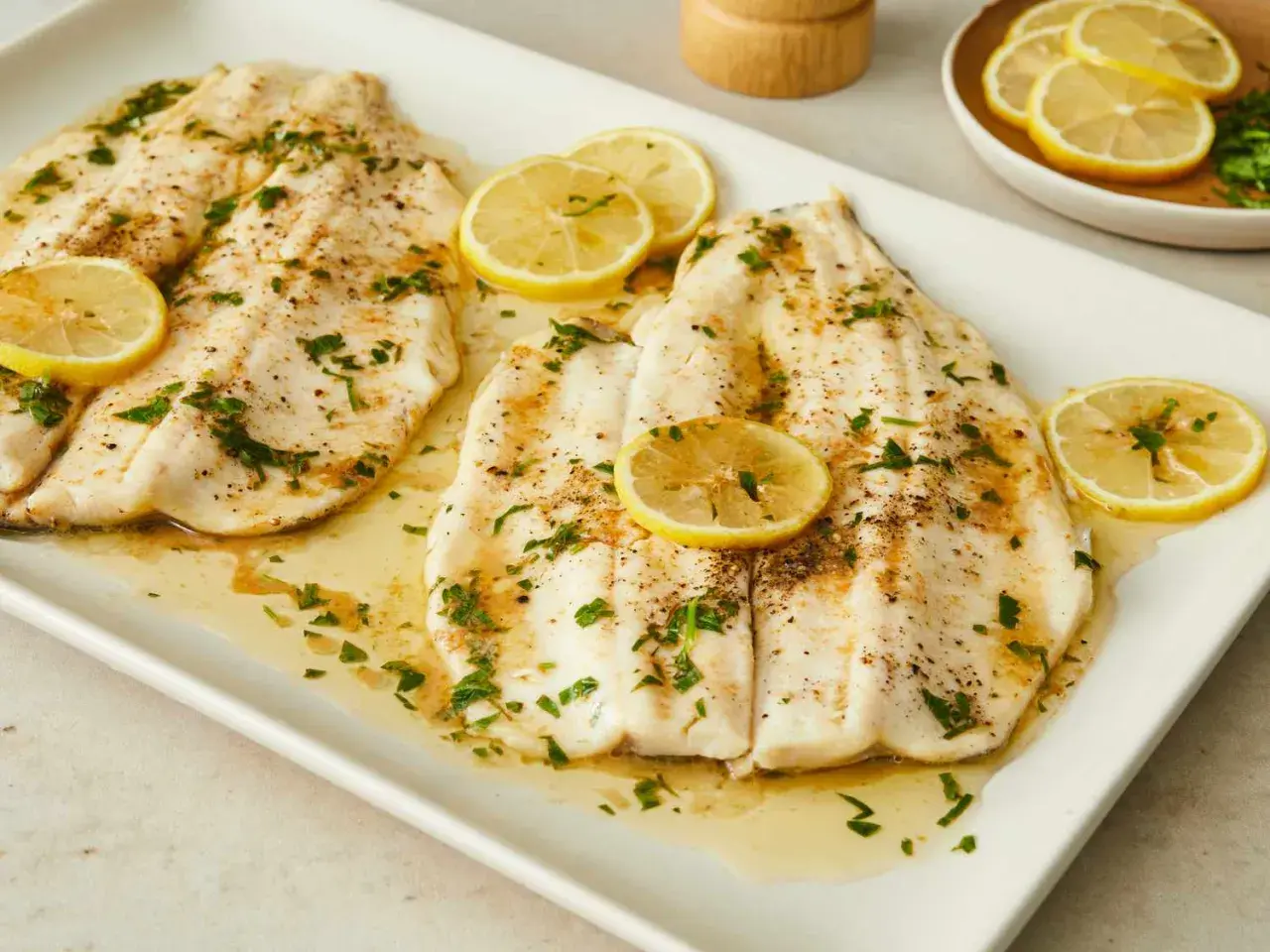
For clarity, I’m treating truchas fish as trout: a clean-flavoured, versatile seafood choice that can be grilled, baked, smoked, or paired with the sort of sharp, savoury accents Basque cooking does best. That matters because trout is easy to undercook mentally and overcook on the plate, and the difference between the two is usually a matter of timing, seasoning and choosing the right cut. In this guide, I’m keeping the focus on what trout is, how it tastes, which version is worth buying in the UK, and how to cook it in a way that feels confident rather than fussy.
The essentials at a glance
- Trout is a mild but characterful fish, with enough natural richness to work with herbs, lemon, bacon, almonds and olive oil.
- In the UK, rainbow trout is the easiest buy: Seafish notes it is harvested year-round, often in portion sizes of about 400g.
- A whole trout usually cooks fast: roughly 20 minutes in the oven at 220C/200C fan/gas 7, 15 minutes under a grill, or about 7 minutes per side in a pan.
- Basque-style cooking keeps the fish central and uses a few strong accents, especially ham or bacon and a coarse almond-herb sauce.
- For safety, keep raw fish cold, use it promptly, and treat leftovers with the same discipline you would give any chilled seafood.
What trout is in a seafood context
Trout is a freshwater fish, though some species move between river and sea life stages. In practical kitchen terms, that matters less than the texture: the flesh is usually tender, slightly oily and delicate enough to cook quickly without becoming heavy.
I think of trout as the bridge between everyday fish and something a little more distinctive. It is more flavorful than the blandest white fish, but far less assertive than mackerel or sardines. That makes it a good fit for Basque cooking, where the best dishes often rely on clarity rather than complicated sauce work.
There are a few names you may see on menus. Rainbow trout is the most common farmed option in UK shops; sea trout is a migratory form of brown trout; and smoked trout is usually the same fish after curing and smoking. Once that is clear, the more useful question is which version you should buy for the meal you actually want to cook.How to choose the right trout in the UK
For most home cooks, the easiest choice is a fresh rainbow trout with bright skin, clear eyes if it is whole, and flesh that springs back when pressed. Seafish notes that UK rainbow trout is harvested year-round, which is one reason it shows up so reliably in fish counters and supermarket chillers.
If I am cooking for two, I usually look for a whole fish in the portion-size range of about 400g. That is large enough to stay moist, but still quick to cook. Fillets are more convenient, yet whole fish give you better flavour insurance because the bones and skin help protect the flesh.
| Type | Best use | What to expect | My take |
|---|---|---|---|
| Rainbow trout | Weeknight dinners, baking, grilling, smoking | Mild, pink-fleshed, widely available | The safest all-round buy |
| Sea trout | Slightly more character, simple pan cooking | Closer to brown trout, often a little firmer | Good when you want a touch more flavour |
| Smoked trout | Salads, pâté, brunch plates, cold starters | Saltier, richer, ready to eat | Great, but less flexible once opened |
| Whole trout | Classic roasting or stuffing | Moist flesh, crisp skin, more dramatic presentation | My first choice for a Basque-style table |
Read the label, but trust your nose and your eyes as well. Fresh trout should smell clean, not aggressively fishy. The flesh should look moist rather than dull, and the skin should not feel sticky. Once you know what to look for, buying trout stops being guesswork and starts feeling like a decision based on the dish you want, which leads neatly into the part most people care about most: cooking it properly.

The cooking methods that keep trout moist
Trout rewards short, controlled cooking. It is not a fish that improves when you bully it with heat. I treat it as a quick-cook ingredient and aim for opaque flesh that flakes cleanly but still looks juicy.
For a whole fish, the numbers are straightforward. A good benchmark is 20 minutes in an oven at 220C/200C fan/gas 7, about 15 minutes under the grill, or roughly 7 minutes per side in a pan. On a barbecue, allow around 20 minutes, depending on the heat. Those timings are for a whole rainbow trout and will change with size, so the thickest part near the bone is the section to check.
What to look for when it is done
- The flesh turns opaque and starts to separate cleanly.
- The eyes of a whole fish turn white.
- The flesh lifts away from the bone without resistance.
- The skin may crisp if you used enough oil and enough direct heat.
My own rule is simple: if I have to wonder whether it is done, I check it. Trout has a narrow window between perfect and dry, especially in a hot oven. A light slash across the thickest part helps the heat move through more evenly, and a parcel of foil or baking paper is useful when I want extra insurance. That same restraint is exactly why it works so well in Basque-style cooking, where the fish should still taste like fish.
Why Basque cooking suits trout so well
Basque cuisine understands something important about seafood: if the fish is good, the job is to support it, not bury it. Trout is ideal for that approach because it can handle smoky ham, green herbs, olive oil and almonds without losing its own identity.
The classic move is simple and effective: stuff or top the fish with bacon or ham, bake it until just cooked, then finish with a coarse almond-herb sauce. The salted pork adds depth, the almonds bring body, and parsley and garlic keep the plate bright. It is the kind of dish that looks modest on paper and ends up tasting more composed than many elaborate sauces ever do.
Read Also: Angulas vs. Gulas - The Basque Eel Dish Explained
A Basque-style plate that actually works
- Whole trout for moisture and presentation.
- Smoked streaky bacon or jamon serrano for salt and savoury fat.
- Garlic, parsley and almonds for an almond-herb sauce or picada-style finish, a rough pounded sauce that gives body without hiding the fish.
- Lemon and olive oil to keep the dish lively.
- Simple sides such as boiled new potatoes, green beans or a green salad.
If you want the meal to feel more rooted in the region, keep the sauce loose and the seasoning clean. I would rather see one properly cooked trout with a restrained garnish than a crowded plate with too many competing flavours. Next comes the practical part that gets ignored too often: how to store trout safely and what to do with leftovers.
How to store it safely and make the leftovers count
The Food Standards Agency is clear on the basic habit: keep fish cold, handle it cleanly and respect use-by dates. In real home kitchens, that means raw trout should stay on the bottom shelf of the fridge, sealed so it cannot drip on anything else. I also prefer to buy it the same day I plan to cook it, or at most the day before if I know my timings are tight.
If you have smoked trout, treat it as a chilled ready-to-eat product. Keep it cold, follow the label, and use it promptly once opened. For cooked trout, cool leftovers quickly, refrigerate them within a couple of hours, and use them within two days. That is not being fussy; it is what keeps the second meal safe and still worth eating.
Leftover trout is excellent cold in a salad with potatoes, boiled eggs and mustard dressing, or flaked into a warm rice dish with herbs. It also makes a respectable sandwich filling if you are willing to skip the heavy mayo and keep the seasoning sharp. The fish itself is not the problem; waste usually starts when people cook too much and then leave the rest to deteriorate in the fridge.
Handled properly, trout gives you very little drama and a lot of payoff, which is exactly why I like it on a Basque-inspired table.
The small details that make trout taste properly Basque
The difference between an average trout dinner and a memorable one is rarely a complicated recipe. It is usually three small decisions: buy a fish with enough size to stay juicy, cook it just until the flesh turns opaque, and keep the garnish sharp rather than heavy.
If I were building the meal from scratch, I would keep it to one well-cooked trout, one salty element, one herbaceous finish and one plain side. That formula respects the fish, suits a British kitchen, and still feels close to the coastal logic that runs through Basque cooking. It also avoids the common mistake of treating trout like salmon, which is richer and more forgiving.
Once you think of trout as a quick, elegant seafood option rather than a complicated centrepiece, the whole dish becomes easier to cook and easier to enjoy.
