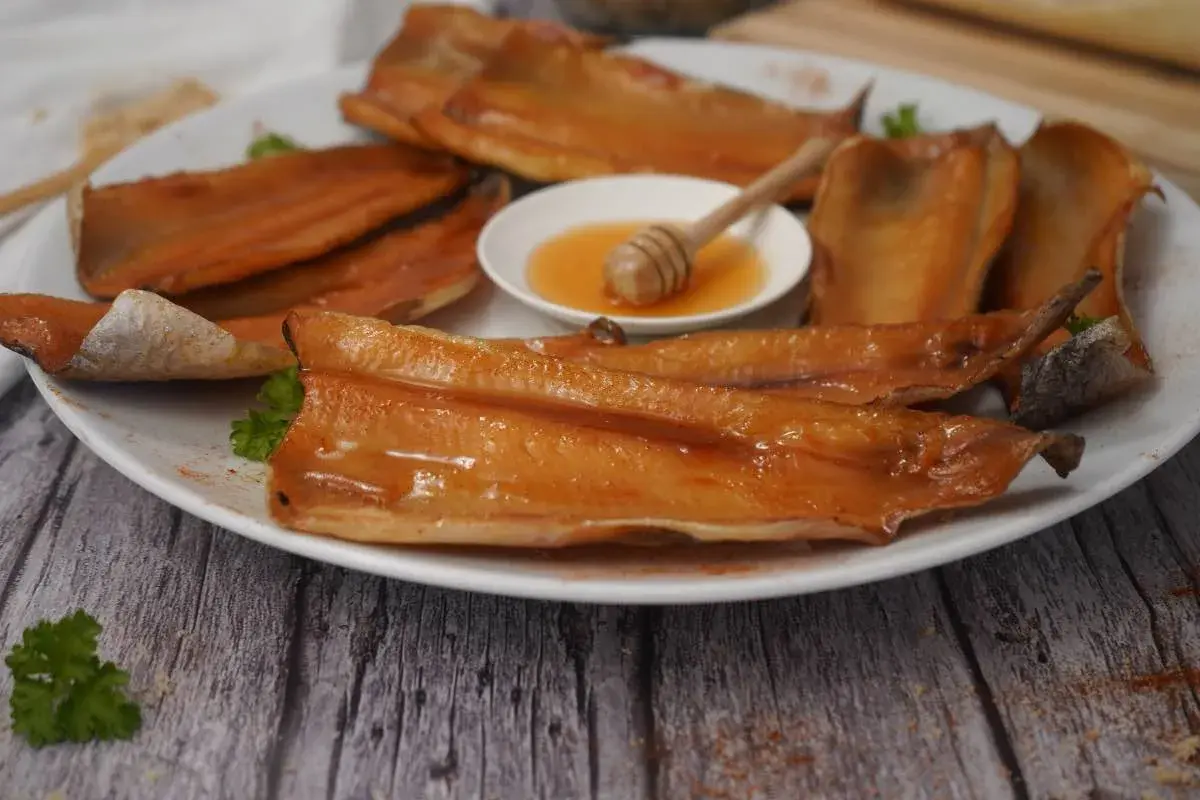
Smoked trout is one of the easiest ways to add depth to a meal without making the plate feel heavy. I like it because the smoking process gives the fish a firmer bite, a rounder flavour, and enough character to sit beside potatoes, eggs, salad, or a slice of good bread. In this article I cover how to choose a quality pack in the UK, the difference between cold-smoked and hot-smoked styles, how to store it safely, and the pairings that make it work especially well on a Basque-leaning table.
The essentials to know before you buy
- Cold-smoked fish is cured and smoked at a low temperature, so it is not cooked through.
- Hot-smoked fillets are flakier and more forgiving in warm dishes, from brunch to potato salads.
- The NHS recommends at least 2 portions of fish a week, including 1 oily fish, which makes trout an easy fit.
- Keep chilled packs at 5C or below and respect the use-by date on the label.
- If you are pregnant, over 65, or immunocompromised, cook ready-to-eat smoked fish until steaming hot or choose another option.
What smoking changes in the fish
Smoking does more than add flavour. It tightens the flesh, brings out natural sweetness, and creates that savoury edge people usually notice before they can name it. The result is richer and more structured than plain cooked trout, but still delicate enough to keep the plate elegant rather than heavy.
If you already like smoked salmon but want something a touch lighter and often a little less costly, this fish is the obvious cousin to reach for. I also find it more flexible than many people expect: it can be a cold starter, a warm brunch ingredient, or the final touch on a simple supper. That is the point where choosing the right pack in the shop starts to matter.
How I choose a good trout fillet in the UK
When I am shopping, I read the label first and the colour second. I want the smoke method clearly stated, a visible use-by date, and an ingredients list that looks short rather than clever: fish, salt, smoke, and not much else. I also check whether the pack makes it clear if it is cold-smoked or hot-smoked, because cold-smoked products are often labelled simply as smoked fish on UK packaging.
At the counter, I look for flesh that is even in colour, moist rather than slimy, and cut cleanly rather than crushed into fragments. The smell should be clean and marine, with smoke in the background rather than a harsh, stale note. If the vacuum pack is bloated or the seal looks damaged, I leave it there.
For everyday eating, I usually buy for the dish I already have in mind. Thin slices are better for canapés and salads, while a thicker fillet gives me more room for flakes, warm potatoes, or a quick brunch plate. That is the split that matters most on the plate.
Hot-smoked and cold-smoked compared
| Style | Texture | Best use | What to watch for |
|---|---|---|---|
| Cold-smoked fish | Silky, sliceable, lightly cured | Canapés, tartines, salads, eggs after heating | It is not cooked through, so keep it very cold and handle it carefully |
| Hot-smoked fillet | Flaky, firmer, cooked through | Potato salad, pasta, brunch, fish cakes | It can dry out if reheated too aggressively |
I reach for cold-smoked slices when I want finesse and hot-smoked fillets when I want ease. The first is about texture and restraint; the second is about convenience and warmth. Once you know the style, you can build the rest of the plate around it.

Where it shines on the plate
I like to keep the rest of the plate bright and a little sharp. Smoke wants contrast, so I lean on lemon, dill, chives, capers, pickled onions, fennel, or a vinegar-heavy dressing instead of heavy sauces. That balance is especially useful in Basque-style cooking, where oil, peppers, herbs, and acidity do a lot of the work without crowding the seafood.
A few combinations I return to again and again are simple but not boring:
- Warm new potatoes, green beans, parsley, capers, and olive oil for a plate that feels complete without much effort.
- Grilled sourdough, roasted peppers, and a spoon of creme fraiche or aioli for a sharper, pintxo-style bite.
- Soft-boiled eggs, fennel ribbons, and lemon when I want something light but still satisfying.
- A few pickles or marinated onions to cut through the salt and keep each mouthful lively.
I avoid piling on too many creamy elements because they flatten the smoke. One rich component is usually enough, especially if the rest of the plate brings crunch and acidity. Before the serving ideas get too fancy, though, the storage rules need to be clear.
Storage and safety that matter more than people think
Cold storage matters more here than it does with many other fish dishes. The Food Standards Agency says chilled smoked fish should be kept at 5C or below, and I would treat the use-by date as non-negotiable. Once the pack is open, I keep it tightly wrapped, use clean utensils, and plan to finish it quickly rather than let it sit for days.
- Keep it in the coldest part of the fridge, not in the door.
- Do not leave it out for more than 2 hours.
- Freeze it before the use-by date if you will not finish it in time.
- Discard it if the smell turns sour, the surface feels tacky, or the pack is swollen.
The other important point is who should be cautious. The Food Standards Agency advises pregnant people, those over 65, and anyone with a weakened immune system to avoid ready-to-eat smoked fish unless it has been thoroughly cooked until steaming hot all the way through. That is not overcautious advice; it is the simplest way to reduce listeria risk without guessing. With the safety side handled, the fish becomes easier to use in a Basque-leaning meal.
A Basque-leaning way to turn it into a proper meal
If I want a meal that feels at home on a Basque-inspired table, I keep the fish as the finishing ingredient rather than the centre of a sauce. My favourite version is warm new potatoes, blistered piquillo peppers or roasted red peppers, a handful of parsley, and a sharp dressing made from olive oil, cider vinegar, mustard, and a little lemon. The fish goes on top at the end, flaked or sliced, so the heat from the potatoes softens it without turning it dry.
For a more pintxo-like plate, I use toasted bread, a little garlicky mayonnaise, a few capers, and thin strips of pepper. For a lighter supper, I swap the bread for fennel, cucumber, and bitter leaves, which keep the dish crisp and stop the smoke from becoming monotonous. The aim is not to hide the fish but to make it taste more defined.
That approach also travels well into other dishes: pasta with herbs and lemon, scrambled eggs, a warm bean salad, or a quick fish cake mixture when you have leftovers that need using. In each case, I think in terms of balance first and flavour intensity second.
The details I would keep in mind next time
If I had to reduce the whole topic to one habit, it would be this: choose the smoking style for the job you actually need. Cold-smoked slices are best when you want finesse and a cleaner, more delicate finish; hot-smoked fillets are better when you want something flakier and less fussy.
From there, everything else is about restraint. Keep it cold, season the plate with acid and herbs rather than more smoke, and let one good vegetable or potato element carry the rest. That is usually enough to turn a simple pack into a meal that feels considered rather than assembled.
