Tuna deserves more respect than a casual supermarket label: it can be a fast weeknight ingredient, a proper restaurant-style steak, or the base of a deeply comforting Basque stew. For UK cooks, the useful questions are simple: which tuna to buy, how often to eat it, how to cook it without drying it out, and where it fits in a seafood-led diet. I am treating it as practical food first, because that is where tuna is most useful.
What matters most when tuna is part of your weekly cooking
- Tuna is best understood as a lean, high-protein seafood with a firm texture and a clean flavour.
- Fresh tuna steak and canned tuna behave very differently in the kitchen, so they should not be used the same way.
- In UK guidance, fresh and canned tuna do not count as oily fish, so they are not the main way to cover omega-3 intake.
- Species, catch method, and packing liquid matter more than branding when you choose a good tin or fillet.
- For pregnancy and child-focused eating, tuna needs a little more planning because of mercury.
- Basque cooking shows tuna at its best: simple, coastal, and supported by potatoes, peppers, olive oil, and careful timing.
What tuna gives you on the plate
Tuna is one of those fish that can move between weekday cooking and special-occasion plates without feeling out of place. Its big strengths are lean protein, a firm texture, and a flavour that can be either mild or almost steak-like depending on the cut and species. That versatility is why I think of it as a practical seafood, not just a sandwich filler.
Fresh tuna and canned tuna behave differently. A can is convenient, stable, and easy to fold into salads, pasta, bean dishes, or jacket potatoes. A fresh steak is better when you want a shorter, sharper cook and a more restaurant-style finish. One thing tuna is not, at least in UK guidance, is your main oily fish: it is useful food, but it should sit alongside salmon, sardines, mackerel, or trout if you are trying to build a balanced seafood routine.
That distinction matters because people often overestimate tuna’s omega-3 value and underestimate its usefulness as a protein source. I would use it for what it does well, not for what another fish does better. Once that is clear, buying tuna becomes much easier.
How to choose tuna that tastes good and fits the UK market
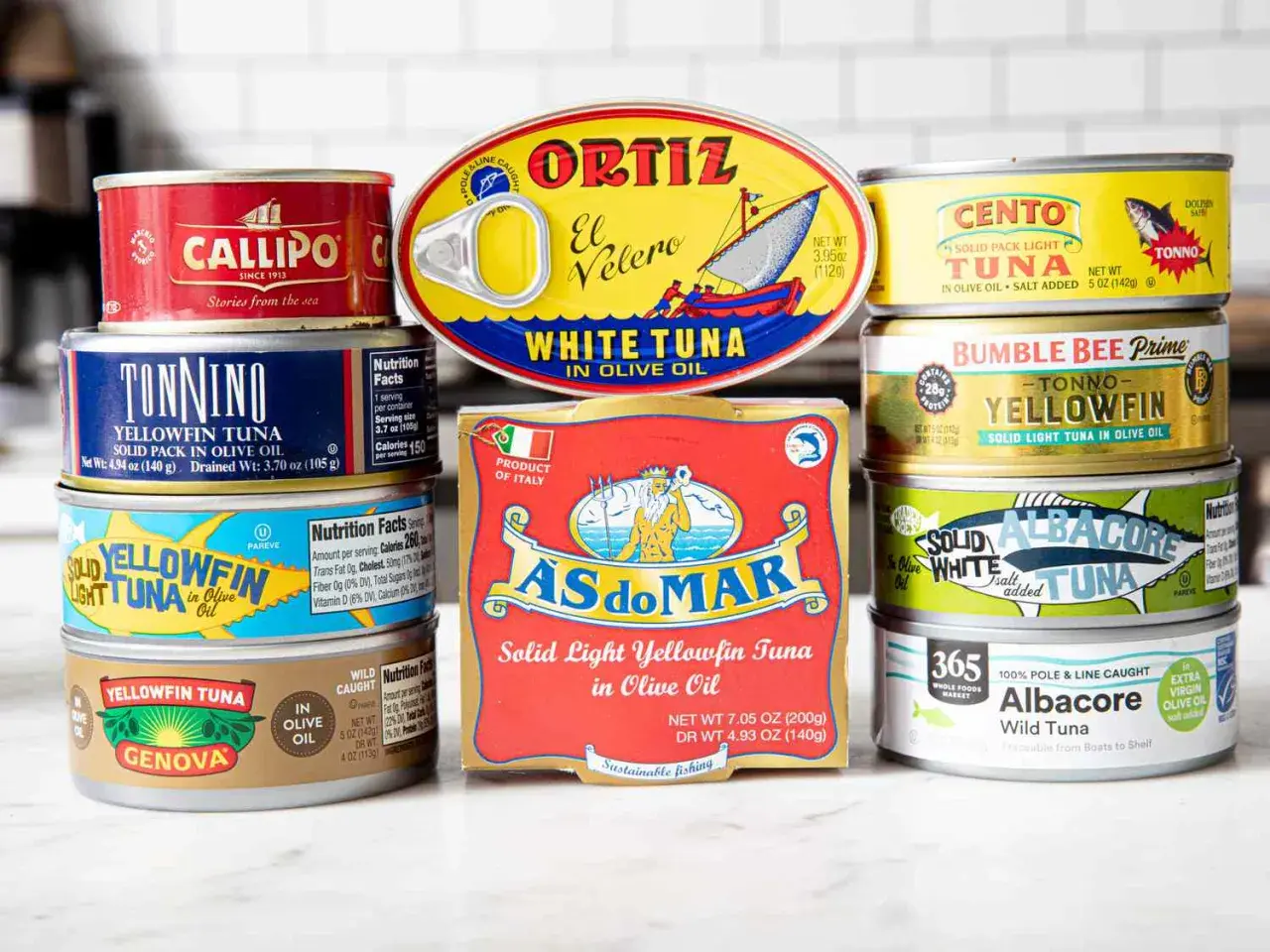
When I shop for tuna, I look past the marketing first and read the label properly. The most useful details are the species, the packing liquid, the drained weight, and any catch-method or sustainability mark. Those four things tell you far more than the front of the tin ever will.
| Form | Best for | What I look for | What to watch |
|---|---|---|---|
| Canned tuna in water | Salads, sandwiches, pasta, bean dishes | Firm flakes, simple ingredients, reasonable salt | Can taste dry if you overmix it |
| Canned tuna in oil | Richer salads, warm dishes, bruschetta-style toppings | Good oil, especially if it is olive oil | More calorie-dense, so drain it deliberately |
| Fresh tuna steak | Seared plates, grills, Basque-style meals | Deep colour, clean smell, firm flesh | Overcooks quickly and turns chalky |
| Named tuna species | Buying with more control over flavour and texture | Clear species naming on the label | Larger species usually need more caution on frequency |
I also check drained weight, because two cans that look the same on the shelf can yield very different amounts of actual fish. And if the label is vague, I treat the product as an everyday option rather than a premium one. For a tin, the packing liquid matters: water is lighter and cleaner, while oil gives you more richness and often a better finish in warm dishes.
If you eat tuna often, I would also pay attention to where it came from and how it was caught. I prefer clearer sourcing over mystery sourcing, because tuna is one of those seafoods where the fishing method can be part of the quality story. That becomes even more relevant once you think about how much tuna belongs on the table.
How much tuna makes sense in a weekly diet
A sensible baseline in the UK is to treat tuna as one of your weekly fish meals, not the whole plan. The NHS says a healthy diet should include at least 2 portions of fish a week, including 1 oily fish, and a portion is around 140g cooked. Fresh and canned tuna do not count as oily fish, so I would not use tuna as my main omega-3 strategy; it is better as a reliable protein source that sits alongside other fish.
If you are trying for a baby or are pregnant, current NHS advice is clearer still: no more than 4 cans of tuna a week or 2 tuna steaks a week. Those figures are based on a medium can with about 140g drained weight and a 140g cooked steak. If you are breastfeeding, there is no tuna limit in that guidance, but I still think variety is the smarter habit because it keeps meals more interesting and spreads your fish choices across different species.
For children, I would keep portions smaller and fish choices broader rather than making tuna the default meal every time seafood appears. The reason is straightforward: tuna is still fish, but larger tuna species can build up more mercury than smaller, lower-trophic seafood. That does not make it off-limits for most people; it just means the best approach is thoughtful rotation, not repetition.
In practice, I use tuna as a strong supporting player. It is not the fish I rely on for every nutritional job, and that is fine. The next question is how to cook it so it keeps its texture instead of losing it.
Cooking tuna without drying it out
For fresh tuna, the main mistake is treating it like cod. Tuna is meant to stay tender. I dry the surface, season it, and get the pan very hot; for a steak about 2 cm thick, 45 to 60 seconds per side gives a deeply pink centre, about 1.5 to 2 minutes gives medium, and anything much longer pushes it toward dry and chalky. The Food Standards Agency notes that tuna may be served rare if it has been correctly frozen beforehand to kill parasites and is fully seared on the outside, which is why a good crust matters more than a long cook.
My basic method is simple: pat the steak dry, season it just before it hits the pan, sear it hard, and rest it briefly before slicing. A tiny amount of oil is enough if the pan is hot. If you want a more cooked centre, do not solve it by doubling the heat and time; lower the ambition slightly and keep the fish juicy instead. Tuna rewards restraint more than force.
For canned tuna, I do the opposite: I add it late and disturb it as little as possible. In a pasta sauce, bean salad, or potato dish, the goal is to warm it through, not to cook it again. That keeps the flakes intact and stops the fish from turning muddy. A squeeze of lemon, a few capers, or a spoon of good olive oil usually does more for the final dish than extra heat ever will.
There is a reason this style of cooking appears so often in coastal food cultures. Tuna is at its best when the cook trusts its texture and avoids overworking it.

Why Basque cooking suits tuna so well
Basque cooking is one of the best arguments for tuna because it shows how much flavour you can get from a short ingredient list. Marmitako, the classic tuna and potato stew, usually leans on potatoes, onion, peppers, tomato, garlic, olive oil, and a little paprika or choricero pepper. The tuna goes in near the end, which is exactly the right instinct: the fish stays delicate while the base does the heavy lifting.
That approach suits home cooking in the UK too. If I have a tin of tuna, I think in terms of potatoes, beans, leeks, peppers, and a sharp finish such as lemon or vinegar. If I have a fresh steak, I think of char, olive oil, and a warm vegetable side rather than a heavy sauce. The lesson is simple: tuna tastes better when it is supported, not buried.
It also fits the mood of Basque cuisine more generally. The region has a strong tradition of honest seafood cooking, where good ingredients do not need much decoration. Tuna works in that world because it brings substance, but it does not overwhelm the rest of the plate. That makes it especially useful when you want a meal that feels rustic without feeling plain.
If you are cooking tuna with a Basque influence, start with a base of onion, pepper, and olive oil, add potatoes or beans for body, then bring in the tuna late enough to keep it tender. That formula is simple, but simple is often the point.
The tuna habits I would keep in a home kitchen
What I keep coming back to is that tuna works best when the decision is deliberate. Buy the version that matches the dish, keep an eye on frequency rather than fear, and use short cooking or late stirring so the fish stays clean-tasting. In a Basque-inspired kitchen, that usually means one good tin in the cupboard, one fresh steak when you want a proper meal, and a few vegetables or potatoes ready to carry the rest.
- Choose canned tuna in water for everyday meals and oil-packed tuna when you want more richness.
- Keep fresh tuna cooking brief so the centre stays tender.
- Build the plate around vegetables, pulses, potatoes, or grains so the fish feels complete rather than isolated.
If I were stocking a UK kitchen today, that would be enough to make tuna useful all week without letting it become repetitive. It should feel like a smart seafood choice, not a compromise, and the best dishes prove that point very quickly.
