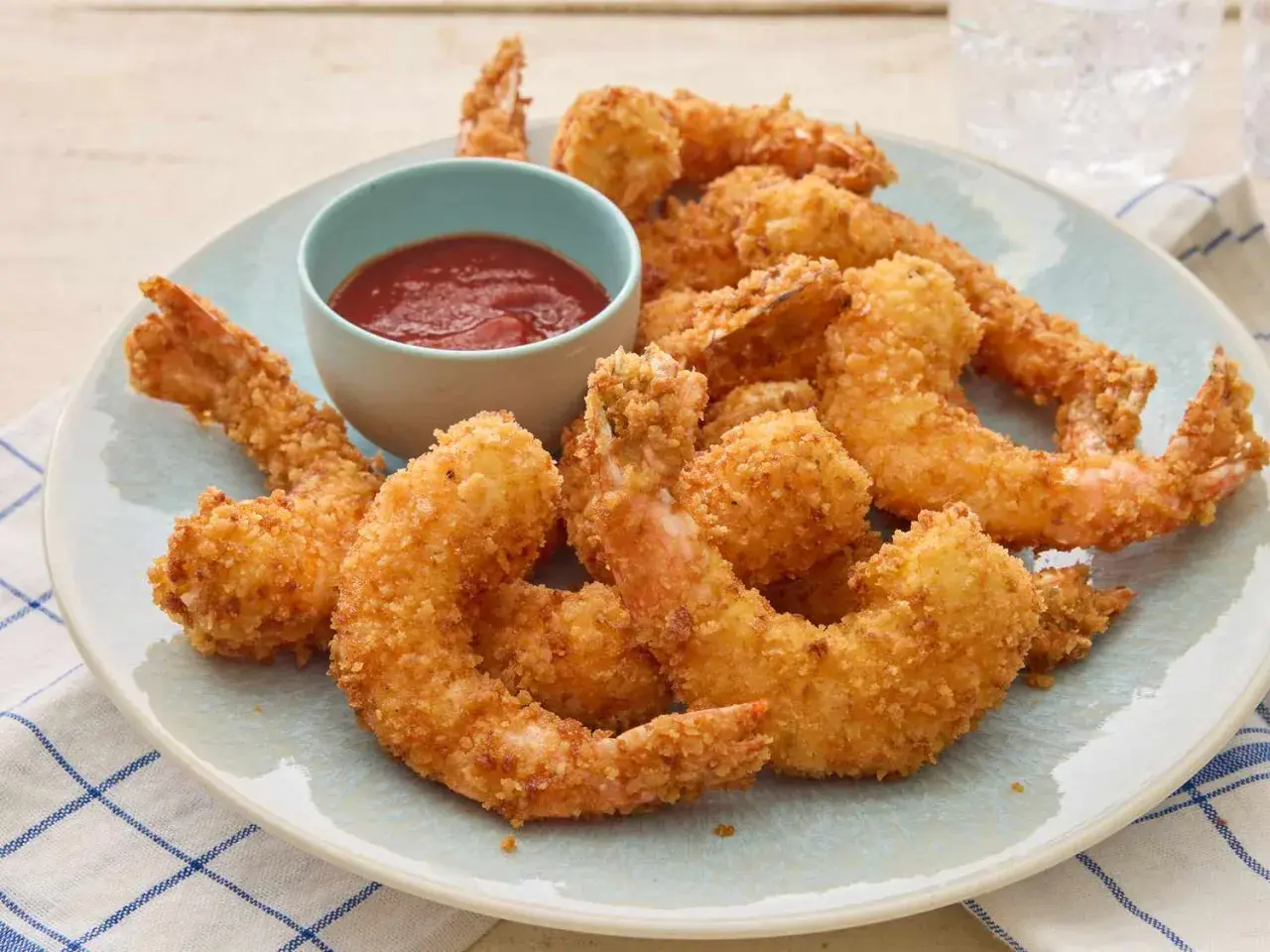
Crispy fried shrimp works because it is simple but unforgiving: the oil has to be hot enough to seal the coating, the seafood has to be dry, and the cook time has to be short enough to keep the flesh sweet. That makes it useful whether you want a quick starter, a tapas-style plate, or a seafood bite that feels more polished than everyday fare. In this guide, I cover how to choose the right shellfish, how to fry it without turning it greasy, and how to serve it with Basque-leaning flavours that suit a UK table.
What matters most before you fry
- Use medium or large prawns, fully thawed and patted dry.
- Keep the coating light so the seafood stays sweet and tender.
- Hold the oil at 180-190°C and fry in small batches.
- Season as soon as the pieces leave the oil.
- Serve with lemon, aioli, and one bright side dish.
What the dish is really about
The best version of this dish is built on contrast. You want a crisp shell, a juicy centre, and just enough salt and acidity to keep every bite lively. In Britain, I usually talk about prawns rather than shrimp, but the method is the same: fast frying, light coating, and careful timing.
That is why this plate works so well as a starter or pintxo. It is not heavy by design, and it should not taste drowned in batter. When I cook it at home, I think of it as a seafood bite that should still taste like the sea, only warmer, crunchier, and more inviting. Once you understand that balance, the next step is choosing the right shellfish and coating.
Choose the right seafood and coating
Size matters more than people expect. Medium or large prawns are usually the easiest to handle because they cook quickly without disappearing inside the crust. Tiny ones can overcook before the coating crisps; very large ones can feel awkward unless you use a lighter finish. I also prefer peeled and deveined prawns, with the tail left on if I want a neater starter presentation.
Frozen seafood is perfectly fine if it was frozen well and thawed properly. In fact, for many UK kitchens, that is the sensible choice because it is easier to control quality. Whatever you buy, the surface must be dry before it meets the coating. Moisture is the enemy of crunch.
| Coating style | What it gives you | Best use | Watch out for |
|---|---|---|---|
| Flour with cornflour | Light, crisp, and fast to brown | Everyday cooking and smaller portions | Can soften if it sits too long |
| Breadcrumbs or panko | More visible crunch and a fuller bite | Starter plates and sharing dishes | Needs good seasoning and careful oil control |
| Tempura-style batter | Airy, delicate, and very crisp when fresh | Elegant plates and lighter seafood service | Breaks down if the batter is too thick or wet |
| Fine cornmeal | Rustic texture with a little extra grit | Pub-style plates and casual serving | Can feel heavy if you overcoat |
If I want a Basque note, I keep the coating simple and add a little piment d'Espelette or mild paprika to the flour rather than building a complicated batter. That gives warmth without smothering the seafood. Once you know the coating you want, the next question is whether the oil is hot enough to set it fast.
Frying method that keeps the flesh tender
My default approach is shallow-frying in a heavy pan or wide pot with about 3-4 cm of neutral oil. Rapeseed oil is the practical UK choice because it handles heat well and does not dominate the flavour. You want the oil hot, but not smoking hard. In most home kitchens, 180-190°C is the right range: low enough to cook the coating evenly, high enough to stop the seafood from soaking up grease.
- Pat the prawns completely dry with kitchen paper.
- Season them lightly with salt and a little pepper.
- Dredge them in flour, cornflour, crumbs, or batter, depending on the texture you want.
- Shake off the excess so the coating stays thin and even.
- Fry in small batches for about 1-2 minutes, turning once if needed.
- Lift them out when the colour turns pale gold and the flesh is opaque.
For safety, the Food Standards Agency advises cooking food so the centre reaches 70°C for 2 minutes; with small shellfish that target is reached very quickly, so the visual cue matters just as much as the thermometer. Once the prawns are done, move them straight to a wire rack rather than piling them in a bowl. That keeps the steam from softening the crust, which is one of the easiest mistakes to avoid.
The detail that changes everything is batch size. If the pan is crowded, the oil temperature drops, the coating turns blotchy, and the result feels greasy instead of crisp. I would rather cook three smaller batches than one large one. That small discipline is what makes the dish feel restaurant-clean instead of rushed.
Seasoning and sauces that fit Basque flavours
I like to season this kind of seafood with restraint. Salt, a little black pepper, lemon, and a gentle heat source are usually enough. Piment d'Espelette fits beautifully here because it adds warmth and aroma without drowning the sweetness of the prawns. That is very much in tune with Basque cooking, which tends to let quality ingredients speak for themselves.
- Garlic aioli gives the plate richness and makes it feel more like a proper tapa.
- Lemon wedges keep the finish bright and cut through the oil.
- Parsley or chives add freshness without competing with the seafood.
- Tomato salad brings acidity and colour, especially in warmer months.
- Txakoli or a dry cider keeps the meal sharp and clean rather than heavy.
If you want to keep the table simple, serve the prawns with bread, aioli, and one crisp salad. If you want a slightly fuller Basque-inspired spread, add grilled peppers or a small bowl of potato salad with olive oil and herbs. Either way, the sauce should support the seafood, not hide it. That leads straight into the problems that usually wreck the texture.
Common mistakes that make the coating greasy or soggy
- The oil is too cool and the coating drinks fat instead of sealing quickly.
- The prawns are still wet and the coating slips or clumps.
- The pan is crowded and the temperature drops too far.
- The coating is too thick and the result feels heavy rather than crisp.
- The seafood stays in the oil too long and turns rubbery.
- The batch sits too long before serving and steam ruins the crunch.
The fastest fix for soggy results is not a better sauce; it is better heat management. Get the oil hot enough, dry the seafood properly, and do not let the cooked pieces linger. If you are making this for guests, fry as close to serving time as possible and keep the early batches on a rack in a low oven for only a few minutes. Beyond that, the crust starts to lose its edge.
One more point that people overlook: seasoning after frying is often better than seasoning before. A fine shower of salt while the surface is still hot sticks well and tastes cleaner than overloading the coating before it hits the oil. With the texture under control, the last question is how I would actually serve the plate.
How I would serve it for a relaxed Basque-inspired meal
If I were building a small home spread, I would treat this as a starter or pintxo rather than a heavy main. A plate of prawns with aioli, lemon, and a sharp salad feels more complete than a bowl of fried seafood on its own. For a summer lunch, I would add tomato, cucumber, and herbs. For a cooler evening, I would lean on bread, peppers, and a glass of something dry.
- Serve the prawns immediately after frying.
- Keep sauces on the side so the coating stays crisp.
- Use a small platter rather than a deep bowl.
- Pair with a bright white wine, txakoli, or dry cider.
- For leftovers, reheat briefly in a hot oven instead of the microwave.
When I want the dish to feel especially polished, I finish it with lemon zest, a few herbs, and a tiny pinch of piment d'Espelette right before it reaches the table. That last touch is small, but it pulls the whole plate together and keeps the seafood front and centre. If you remember only one thing, make the frying the final step and serve the prawns while the crust is still singing.
