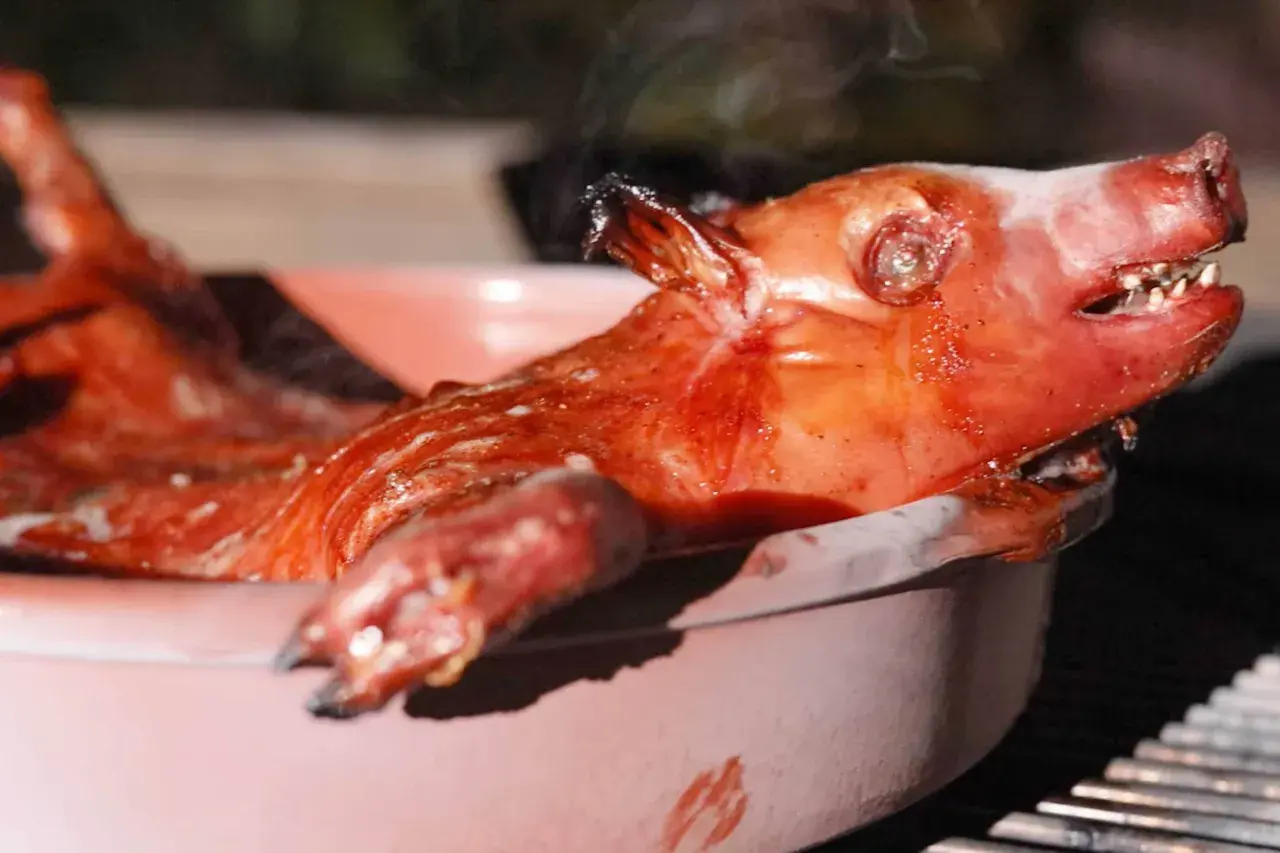
Spanish cochinillo is one of those dishes that looks simple on paper and then quietly demands real discipline in the kitchen. The best versions depend on a very young, milk-fed piglet, a steady roast, and enough restraint to let the skin and flesh speak for themselves. In this article I break down what the dish actually is, how it is traditionally cooked, what to expect when you order it, and how I would approach it from a UK perspective.
The essentials for understanding cochinillo
- Cochinillo means a suckling pig, usually no more than three weeks old and ideally around 4.5 to 6 kilos.
- The defining traits are tender meat and crisp skin, not heavy spice or elaborate sauce.
- Segovia is the best-known reference point, and the dish now carries a stronger provenance story than many roast pork dishes.
- In restaurants, it is often a shared celebratory dish, not a quick solo order.
- For home cooks in the UK, sourcing and oven space matter as much as technique.
- The safest pairings are clean, fresh sides and wines that cut through the richness.
What cochinillo is and why it matters in Spanish cooking
When I think about cochinillo, I think about precision rather than complexity. It is roast suckling pig, but that description undersells what makes the dish distinctive: the animal is slaughtered very young, fed only on maternal milk, and roasted while the meat still has a delicate, almost sweet character. That is why the finished dish tastes different from ordinary roast pork. It is lighter in flavour, softer in texture, and far more dependent on technique.The most famous version comes from Segovia and the surrounding Castile region, where the dish has long been treated as a culinary emblem. That regional identity matters because it explains the style: simple seasoning, careful roasting, and a crisp finish rather than a heavily flavoured marinade. In practice, I see cochinillo as a dish that shows confidence. The cook is not trying to disguise the meat; the cook is trusting the meat.
There is also a practical reason it stands out on menus. Compared with larger pork roasts, a suckling pig is served young enough that the skin, fat, and flesh all behave differently in the oven. The result is more delicate and more theatrical at the table, which is why it often appears on celebratory menus rather than everyday ones. That difference is important if you are trying to judge whether a restaurant is offering a true style of the dish or just using the name loosely. Next, it helps to see how the traditional roast is actually built.

How the traditional roast is built
The classic Spanish approach is built on restraint. In the most traditional Segovian style, the piglet is seasoned sparingly, then roasted so the skin dries out and turns glassy while the meat stays juicy underneath. Many cooks rely on a hot oven or a wood-fired oven, and the logic is always the same: keep the method simple, protect the integrity of the meat, and aim for a crackling skin that breaks cleanly.
What people remember most is often the serving ritual. In Segovia, the tenderness is sometimes shown off by cutting the roast with a plate rather than a knife. That is not just theatre. It is a way of demonstrating that the meat is so soft it barely resists. The gesture makes sense only if the roast has been handled properly, because a poor cochinillo will not give that kind of clean finish.
I also think it is useful to separate tradition from kitchen folklore. Some home recipes use a little oil or butter, while others rely almost entirely on the pig’s own fat and moisture. Both can work, but the real non-negotiables are a dry skin, steady heat, and enough time for the roast to cook through without scorching. A small piglet can roast in roughly 2 1/2 to 3 hours, depending on size and oven behaviour, but the exact timing matters less than the final texture. Once you understand that, ordering it in a restaurant becomes much easier to judge.
What to expect when you order it
When cochinillo is listed on a menu, I would first ask whether I am looking at a whole roast, a portioned serving, or a smaller cut. That detail changes both the price and the experience. A whole roast is the most ceremonial version and usually feeds a small group, while a portioned serving is more practical for a couple or a solo diner who wants the flavour without the spectacle. In a serious restaurant, the whole roast is often the version worth booking in advance.
| Format | Best for | What to expect |
|---|---|---|
| Whole roast | Celebrations and group dining | Most authentic presentation, usually needs advance booking |
| Portioned serving | One to three diners | Less dramatic, but easier to order and share |
| Quarter, leg, or boneless cut | Home cooking in the UK | More manageable in a domestic kitchen, though less theatrical |
On the plate, I expect very little ornamentation. The best versions do not lean on a thick sauce because the whole point is to preserve the contrast between crisp skin and soft meat. A few potatoes, some greens, or a simple salad are enough. If the restaurant starts layering on too many strong garnishes, I usually read that as a sign the kitchen is compensating for a weaker roast. That leads naturally to the question of how to source it, or cook it, if you are not in Spain.
How I would source or cook it in the UK
In the UK, the biggest challenge is not seasoning or timing. It is finding the right animal. If I wanted a traditional result, I would look for a specialist butcher, a Spanish importer, or a supplier that clearly states the piglet is milk-fed and young enough to count as a true suckling pig. The ideal range is still the useful benchmark: no more than three weeks old, and roughly 4.5 to 6 kilos. Once the animal is much larger, you start moving away from the texture that defines the dish.
If a whole piglet is unrealistic, I would not force the issue. A quarter, leg, or boneless roast is a more sensible compromise for a domestic oven, and many specialist suppliers sell cut-down versions for exactly that reason. That choice does reduce the drama of service, but it makes the dish achievable without compromising your kitchen or your sanity. A large whole piglet needs space, a stable oven, and enough confidence to handle a roast that is more about heat control than about clever seasoning.
For a home roast, I would keep the method plain: salt, steady heat, a roasting tray that allows air to circulate, and enough patience to let the skin colour properly. If the oven runs hot, I would check the skin early rather than assume it can be left alone. If the oven runs cool, I would be careful not to rush the final browning. The dish succeeds when the surface is crisp and the flesh is still supple, so the real skill is managing both at once. Once that is in place, the accompaniments matter more than people think.
What to serve with it
I prefer sides that respect the roast instead of competing with it. Cochinillo is rich, but it is not a dish that needs to be hidden under heavy sauces or overly sweet glazes. The best companions add freshness, texture, or a clean counterpoint to the fat. In a UK setting, that often means simple greens, good potatoes, or lightly dressed vegetables rather than a full winter casserole.
| Companion | Why it works | My take |
|---|---|---|
| Green salad with sharp dressing | Cuts through fat and refreshes the palate | The safest all-round choice |
| Roast or new potatoes | Adds structure without overwhelming the meat | Best if you want a fuller meal |
| Roasted peppers or simple greens | Adds sweetness or bitterness for balance | Useful when you want colour on the plate |
| Young red wine or dry cider | Gives freshness against the richness | My pick for an easy, unfussy pairing |
If I were building a more Spanish-leaning table, I would stay close to that same principle: keep the flavours clean and let the roast stay central. A wine with enough lift to refresh the mouth is usually better than something broad and oaky, which can make the meat feel heavier than it is. That is the same logic I use when thinking about what can go wrong, because the common mistakes are usually about excess rather than technique.
Common mistakes that flatten the dish
The first mistake is over-seasoning. Cochinillo is not improved by a long spice rub or a loud marinade. If anything, too much flavour tends to smother the piglet’s own sweetness and make the dish feel muddled. The second mistake is using too much liquid or covering the meat for too long, which softens the skin and removes the one texture everyone is waiting for.
The third mistake is choosing the wrong size or age of piglet. A larger animal may still be good roast pork, but it will not give the same delicate result. That is where many home cooks overpromise and underdeliver. They buy something labelled “suckling pig” without checking whether it is actually young enough to behave like one.
The fourth mistake is impatience at the end. A roast like this often looks nearly done before it is truly ready. If the skin is not crisp enough, keep working on the finish rather than serving early and hoping for the best. I have seen plenty of otherwise good roasts let down by that last ten percent. The final section is where I would turn all of this into a meal that feels complete without becoming fussy.
How I would build a memorable cochinillo menu
If I were serving this for guests, I would treat the roast as the centre of gravity and keep everything else quieter than usual. That means one light starter, one or two restrained sides, and a dessert that cleans the palate rather than adding another heavy layer. In a Basque-leaning context, that same discipline makes sense: good produce, simple seasoning, and enough confidence to stop before the plate becomes crowded.
My practical rule is this: the better the cochinillo, the less work the rest of the menu has to do. Start with something crisp or acidic, keep the vegetables simple, and choose a drink with enough freshness to reset the palate between bites. If the roast is excellent, people will remember the skin first and the rest of the menu second, which is exactly how it should be.
That is why I see this dish as both traditional and useful. It teaches restraint, it rewards good sourcing, and it gives you a clear standard for judging a kitchen’s discipline. If you keep the roast simple, respect the age of the animal, and avoid crowding the table with heavy extras, you get the real point of the dish: a roast that feels celebratory without losing its elegance.
