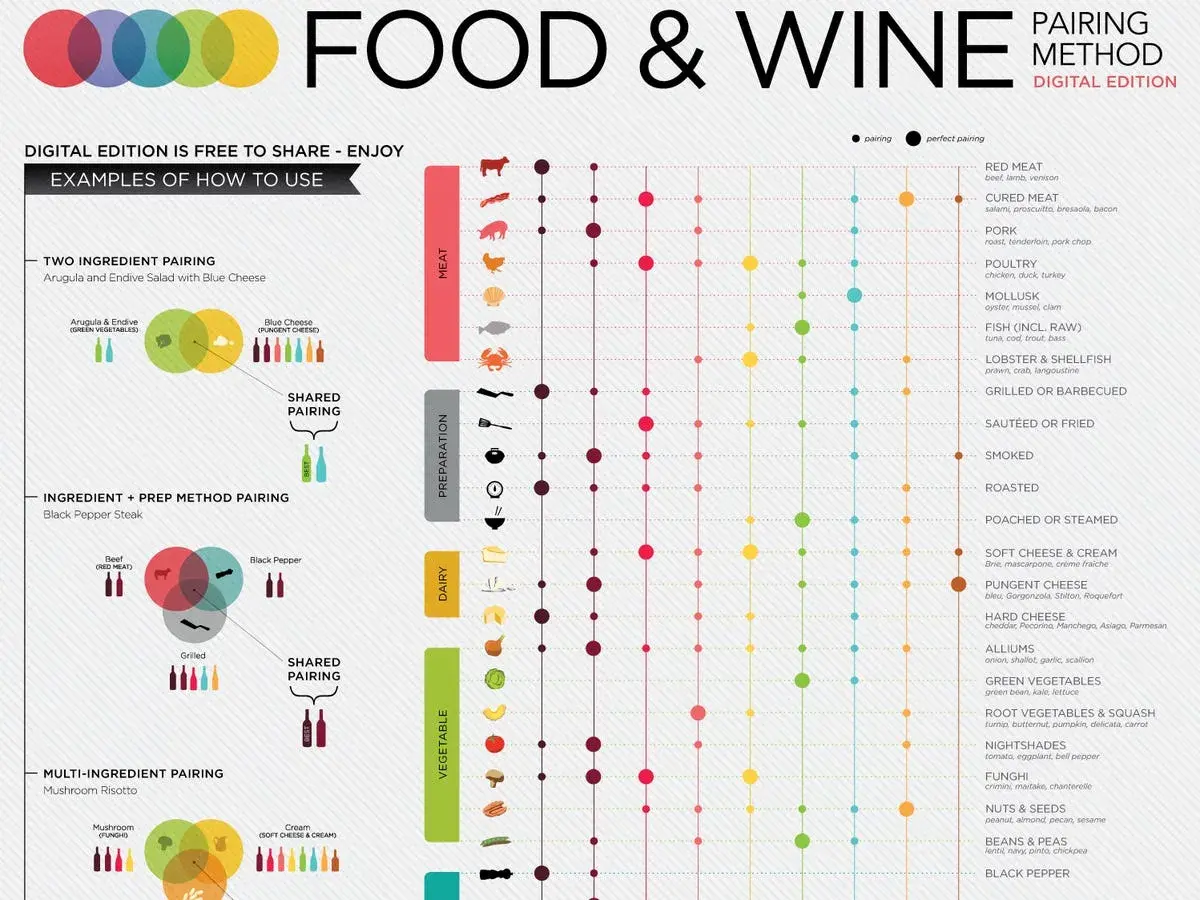
Wine becomes easier to understand once you stop treating every bottle as a one-off and start reading it by style. I usually group the major types of wine by carbonation, sweetness, body, and colour, because those are the clues that actually change what you taste at the table. That approach is especially useful when you are pairing wine with Basque dishes, where salty seafood, grilled vegetables, and rich cheeses all ask for different levels of freshness and structure.
The quickest path to a good match is to think in style first
- Still wines are the broad family behind red, white, rosé, and orange styles.
- Sparkling wines are defined by bubbles, but sweetness can still range from bone-dry to dessert-level.
- Fortified wines are stronger, usually around 15-22% ABV, and work well with cheese, nuts, or after dinner.
- Dry whites and sparkling wines are usually the easiest fit for pintxos, seafood, and salty bites.
- Red wines work best when the food has enough body, fat, or char to stand up to tannin.

How I group wine into practical styles
When I build a mental map of wine, I start with a simple question: is it still, sparkling, or fortified? That is the broadest and most useful classification, and it tells you more than the grape name alone. In the UK, where wine lists can move quickly from Burgundy to Cava to port, this style-first approach saves a lot of guesswork.
Colour matters, but it is only one layer. A pale white can be rich and oak-aged, while a dark-looking red can be light and easy to drink. I also look at sweetness and body, because those two elements decide whether a bottle feels crisp, rounded, or full of grip at the table.
| Broad style | What defines it | Typical ABV | What I expect at the table |
|---|---|---|---|
| Still wine | No carbonation; includes red, white, rosé, and orange styles | 11.5-14.5% | Most of the everyday bottles you will pour with food |
| Sparkling wine | Dissolved carbon dioxide, usually from a second fermentation | 11-12.5% | Sharper, fresher, and better with salt or fried food |
| Fortified wine | Spirit added during or after fermentation | 15-22% | More warming, more stable after opening, often aperitif or after-dinner |
| Sweet or dessert wine | High residual sugar from late harvest, botrytis, ice wine, or careful fermentation | 7-14% | Best when the wine is at least as sweet as the food |
That is the framework I fall back on when a list feels crowded or the label looks unfamiliar. Once it is in place, the red side of the spectrum is much easier to read, because tannin changes how food tastes.
Red wines and why tannin changes the meal
When I read a red wine, I look first at tannin. Tannin is the drying, mouth-coating grip that comes from grape skins, seeds, and sometimes oak. More tannin usually means more structure, which is why a Cabernet Sauvignon can feel firm and serious while a Pinot Noir feels silkier and more transparent.
That difference matters at the table. Tannin loves fat, char, and protein, but it can bully delicate fish or lightly dressed vegetables. I tend to think of reds in three broad lanes: light-bodied bottles such as Pinot Noir or young Rioja, medium-bodied wines such as Merlot or Crianza, and fuller wines such as Cabernet Sauvignon or Syrah. Serve the lighter reds around 12-14°C and the fuller ones around 16-18°C; a small drop in temperature keeps them from feeling flat.
- Light-bodied reds work well with tuna, mushrooms, roast chicken, and vegetable dishes with some umami.
- Medium-bodied reds are the flexible middle ground for lamb, chargrilled vegetables, chorizo, and many tapas-style plates.
- Full-bodied reds suit beef, rich stews, hard cheese, and anything with smoke or a deep roast flavour.
The mistake I see most often is choosing a red that is too powerful for the dish. When that happens, the food tastes smaller than it should, and the wine starts to dominate the meal instead of supporting it. That is why I reach for whites, rosé, or orange wine whenever the plate is lighter, saltier, or more seafood-led.
White, rosé, and orange wines for lighter dishes
White wine is not automatically light, and rosé is not just a summer shorthand. A crisp Albariño, Sauvignon Blanc, or Txakoli can be sharper and more food-friendly than many people expect, while an oak-aged Chardonnay or lees-aged white can carry real weight. Lees ageing means the wine rests on spent yeast after fermentation, which adds a creamier texture and a little more breadth.
Rosé sits in the middle. It usually keeps the freshness of a white wine but adds enough fruit to handle charcuterie, grilled vegetables, or spicy dishes. Orange wine is the more textural outlier, made by fermenting white grapes with their skins. That skin contact gives it tannin, a tea-like edge, and a savoury finish that works well with mushrooms, hard cheese, or dishes with a little spice.
- Crisp whites are my first choice for seafood, salads, goat cheese, and pintxos.
- Textured whites suit roast chicken, creamy sauces, and richer fish.
- Rosé is useful when you want freshness plus enough fruit for mixed plates.
- Orange wine feels more savoury and is better with earthy or lightly spiced food than most beginners expect.
If red wine is the structure end of the spectrum, these styles are the freshness end, and that is exactly why they matter with Basque cooking. Once fizz enters the picture, sweetness and carbonation start to matter just as much as grape variety.
Sparkling wines and why the bubbles matter
Sparkling wine behaves differently because the bubbles change perception. Carbon dioxide lifts aroma, sharpens acidity, and makes salty or fried food taste cleaner, which is why I reach for fizz with croquettes, anchovies, and other snackable plates. The word brut is the safest label to trust if you want something dry; extra dry is actually sweeter than brut in many styles, which confuses people every year.
- Brut Nature or Zero Dosage is the driest end and suits oysters, raw seafood, and very salty bites.
- Brut is the default all-rounder for aperitifs and mixed small plates.
- Extra Dry feels softer and slightly rounder, so it can handle mild spice or fruit.
- Demi-Sec moves into dessert territory and needs a sweet dish to match.
Serve sparkling around 6-8°C, and use a tulip-shaped glass rather than a narrow flute if you want more aroma. In the UK, English sparkling and Cava are often my first picks for food, while Prosecco is better when I want something easygoing and fruit-forward. Once sweetness rises and alcohol climbs, the conversation changes again.
Fortified and dessert wines deserve their own place
Fortified wine is made by adding spirit, usually brandy, which lifts alcohol to roughly 15-22% ABV and gives the wine more body and staying power after opening. Dessert wine is a broader sweetness category: some examples are fortified, but others are made from late-harvest grapes, botrytised fruit, or frozen grapes. That distinction matters because not every sweet wine behaves the same way. Vermouth sits at the aperitif end of the fortified spectrum, where botanicals matter as much as sweetness.
- Fino and manzanilla sherry are dry, saline, and brilliant with olives, almonds, anchovies, and other salty bites.
- Madeira brings heat, nuttiness, and a long finish, which makes it unusually flexible with both savoury and sweet food.
- Port is richer and sweeter, so I save it for blue cheese, chocolate, or a post-dinner pour.
- Sauternes, Tokaji, and late-harvest Riesling are the sweet styles I think about for fruit tarts, almond desserts, or cheese boards.
My one rule here is simple: the wine should be at least as sweet as the dessert. If the dish is sweeter than the wine, the bottle will taste thin, and the whole pairing falls flat. That is the point where a good sweet wine stops being a curiosity and starts doing real work at the table.
How I match wine to Basque food at the table
When I pair wine with Basque food, I start with salt, oil, smoke, and texture rather than the headline ingredient. A plate of gildas and anchovies needs something very different from slow-cooked beef or a slice of burnt cheesecake, even if both appear in the same meal. This is where the style map becomes useful instead of academic.| Basque dish | Better bottle style | Why it works |
|---|---|---|
| Gildas, anchovies, olives | Txakoli or dry sparkling | Acidity and a faint spritz cut salt and oil |
| Grilled hake, cod, or sea bass | Crisp white | Keeps the fish clean and lets the seasoning stay bright |
| Pintxos with peppers, croquettes, or fried squid | Brut sparkling or dry rosé | Refreshes the palate after fry and spice |
| Lamb chops, beef cheek, or mushroom dishes | Medium-bodied red | Enough structure for char, umami, and richer sauces |
| Idiazabal, salted nuts, and hard cheese | Dry sherry | Salinity and smokiness need a wine with similar intensity |
| Burnt Basque cheesecake, almond tart, or fruit desserts | Sweet wine or port | Sweetness should match the dessert rather than fight it |
If you are ordering in a restaurant and cannot see the exact bottle, ask for the style first and the grape second. That is usually the shortest route to a good match, and it keeps the conversation grounded in the food instead of the label. If you want a simpler system, keep a few reliable bottle styles on hand and you will cover most meals without overthinking it.
A small bottle shortlist that covers most Basque-style meals
If I were building a compact shelf for Basque-style meals in the UK, I would start with five bottles that cover the widest range of situations. They are not glamorous in the abstract, but they are reliable, which matters more when the food shifts from snacks to seafood to cheese in one sitting.
- A crisp Atlantic white such as Txakoli or Albariño for seafood, pintxos, and salty starters.
- A dry sparkling wine, ideally English sparkling or Cava, for fried bites, aperitifs, and celebrations.
- A medium-bodied red such as Rioja Crianza or Merlot for grilled meats and mushrooms.
- A dry sherry for olives, almonds, and pre-dinner snacking.
- A sweet wine or port for cheesecake, tarts, and blue cheese.
If I had to cut that list down further, I would keep the crisp white and the sparkling bottle first, because they solve the broadest number of meals. After that, add one red and one sweet wine, and you have a practical system that handles most dinners without guesswork.
