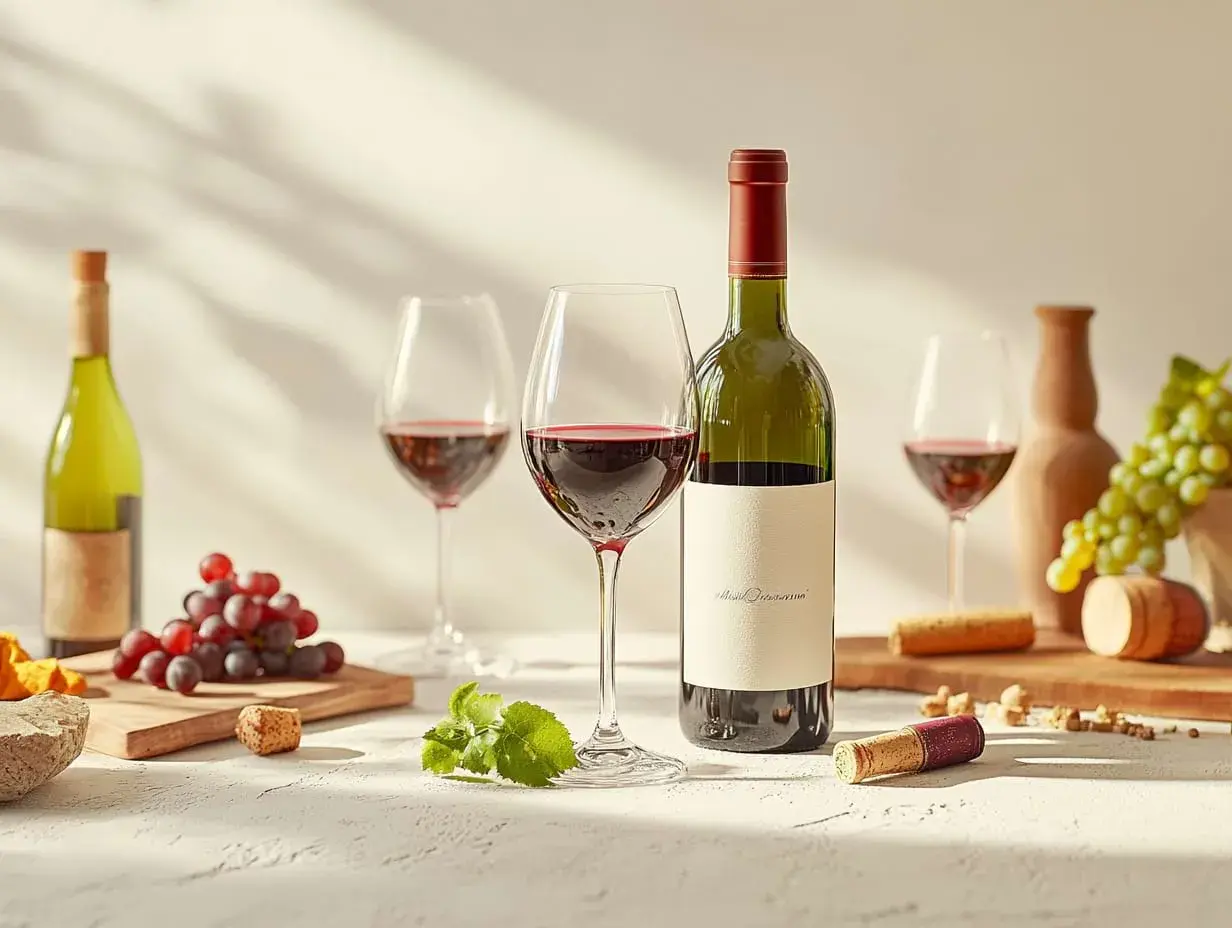
A low tannin red wine is often the easiest place to start if you want something smoother, fresher, and more food-friendly than a big, drying red. In this article I break down what tannin actually does, which styles usually stay soft in the glass, how I’d choose a bottle in the UK, and which dishes make these wines shine. I’ll also tie it back to Basque-style cooking, where salt, oil, smoke, and seafood can make a careful wine choice matter more than most people expect.
The quickest way to spot a softer red
- Tannin is the drying, tea-like grip in red wine; less of it usually means a gentler feel, not sweetness.
- Pinot Noir, Gamay, Frappato, Cinsault, and dry Lambrusco are the safest styles to start with.
- Light oak, shorter skin contact, and cooler climates often push a wine toward a lighter texture.
- In the UK, I usually see the best value in the roughly £8 to £15 range for everyday drinking.
- These wines work best with food that has salt, herbs, oil, mushrooms, poultry, or fish.
What makes a red wine feel gentle rather than grippy
Tannin is a texture issue before it is a flavour issue. It comes mainly from grape skins, seeds, stems, and sometimes oak, and it creates that drying sensation you feel on your gums and tongue. When a wine has less tannin, I usually perceive it as softer, juicier, and easier to drink on its own or with lighter food.
That softness is shaped by how the wine is made. A shorter maceration period, meaning less time on the skins, usually means less extraction. Thin-skinned grapes tend to give less grip than thick-skinned ones, and wines with bright acidity can feel lighter still, even when the fruit is quite vivid. Low tannin does not automatically mean light-bodied or sweet; some wines are soft but still broad, ripe, and fairly substantial.
- Short skin contact usually keeps extraction low.
- Thin grape skins often give a gentler finish.
- High acidity can make a wine feel sharper, even if tannin is modest.
- Oak can add structure, so a delicate grape can still drink more firmly if the barrel work is heavy.
That difference matters because it helps you predict style before you buy. Once you know what drives the texture, the next step is recognising which grapes usually deliver the softest results.

The styles I would reach for first
If I want a red with less grip, I start with a short list rather than hunting through every shelf label. These are the styles I trust most often, because they usually deliver the right balance of freshness, fruit, and restrained tannin without feeling thin or bland.
| Style | What it usually tastes like | Why it stays soft | Best use |
|---|---|---|---|
| Pinot Noir | Cherry, raspberry, forest floor, sometimes a little spice or vanilla | Thin skins and moderate extraction usually keep the tannin level low | Roast chicken, duck, mushroom dishes, salmon |
| Gamay / Beaujolais | Bright red fruit, blueberry, floral notes, a fresh finish | Very light structure and lively acidity make it feel easygoing | Pintxos, charcuterie, grilled vegetables, casual tapas |
| Frappato | Candied cherry, strawberry, clove, a fragrant, lifted profile | Low bitterness and a lighter body keep the finish smooth | Herby dishes, tomato-based plates, grilled fish |
| Cinsault | Soft red berries, flowers, and a supple, understated texture | Usually pale, delicate, and made for freshness rather than power | Light poultry, mezze, pepper dishes, picnic food |
| Dry Lambrusco | Cherry, plum, violet, and a lively sparkling edge | The fizz and fresh fruit make the tannin feel even less obvious | Salted meats, fried bites, tapas, rich snacks |
| Valpolicella Classico | Cherry, herbs, bitter almond, and a clean, medium-light finish | Usually lighter than many Italian reds, especially in fresher styles | Simple pasta, mushrooms, roast poultry, lighter cured meats |
Grenache deserves a mention too, but I treat it as style-dependent rather than reliably soft. In warmer places it can feel generous, ripe, and a little broader than the wines above, so I reach for it when I want plush fruit more than delicacy. Once you know the style family, the next challenge is reading the bottle correctly in a UK shop or online listing.
How I choose a bottle in the UK
When I’m buying in the UK, I pay more attention to style cues than to broad marketing language. Words like “smooth” or “easy drinking” can mean almost anything, so I look for grape names, regions, and winemaking hints instead. If I want consistency, I usually find it faster through specialist merchants or trusted supermarket ranges that describe the wine honestly.
- For everyday drinking, I usually start around £8 to £15.
- For a more polished bottle, £15 to £25 is the range where quality becomes easier to notice.
- Look for terms such as light-bodied, fresh, juicy, unoaked, or chilled red.
- Be cautious with labels that emphasise reserve, riserva, heavy oak, or big ageing claims if you want minimal tannin.
- Pinot Noir, Gamay, Beaujolais, Valpolicella, Cinsault, and Frappato are the names I would scan for first.
I also read the vintage and producer style when I can. A warm year can make a wine feel riper and softer, while a cooler year can sharpen acidity and make the fruit feel more linear. Neither is automatically better, but if you want a relaxed red, I usually prefer a wine that sounds bright and fresh rather than dense and brooding. That leads neatly into serving temperature, because the same bottle can feel very different once it hits the glass.
Serve it a little cooler than you think
Temperature changes how tannin, acidity, and fruit show up. Too warm, and even a gentle red can feel flabby or alcoholic; too cold, and the fruit tightens up while acidity turns abrupt. For most lighter reds, I like to serve them around 12 to 15°C, which is cooler than many people expect but still warm enough to show aroma.
My practical rule is simple: give the bottle 15 to 30 minutes in the fridge if it is already in the room-temperature zone, and go a little longer for fuller styles. Young wines with a touch of reduction or closed fruit can benefit from a short decant, but I rarely treat these wines like heavy Bordeaux. The goal is to open them, not to flatten them.
- 12 to 15°C works well for most lighter reds.
- 15 to 30 minutes of chilling is often enough for a standard room-temperature bottle.
- A short decant, around 15 to 30 minutes, is useful only if the wine feels tight or quiet.
- Use a wider glass for aromatic wines like Pinot Noir so the fruit can breathe.
Once you stop serving them too warm, the next question becomes what to eat with them, and that is where these wines often earn their place at the table.
Best food pairings for Basque-style cooking
This is the section where softer reds make the most sense to me. Basque cooking often balances salt, oil, smoke, seafood, peppers, and herbs rather than relying on heavy sauces, so a wine with modest tannin and good freshness tends to fit naturally. I want enough fruit to meet the savoury side of the dish, but not so much grip that the wine starts fighting the food.
| Dish | Best style | Why it works |
|---|---|---|
| Bacalao al pil-pil or grilled cod | Pinot Noir or Gamay | The acidity keeps up with oily fish and garlic without adding harshness. |
| Txistorra pintxos or cured meats | Dry Lambrusco | The fizz and freshness cut through salt, fat, and richness. |
| Grilled peppers, mushrooms, and vegetable pintxos | Cinsault or Frappato | These wines echo the savoury, earthy side of the food without overpowering it. |
| Roast chicken, duck, or rabbit | Pinot Noir | The wine has enough shape for the meat but stays gentle enough for herbs and pan juices. |
| Grilled tuna or bonito | Gamay or a light Grenache | Bright fruit and a soft finish work well with smoke and a slightly meaty texture. |
If the dish is heavily charred, very spicy, or built around beef, I would usually move away from the softest styles and into something with more structure. But for fish, poultry, mushrooms, tapas, and the kind of food I associate with a good Basque table, these reds are usually more successful than bigger, more tannic bottles. From there, the only real choice is which bottle to open first.
The bottles I would put on the table first
If I had to keep the list brutally short, I would start with Pinot Noir, Gamay, and dry Lambrusco. Pinot Noir is the safest all-rounder, Gamay is the freshest and most casual, and Lambrusco is the most useful when the food is salty, rich, or fried. Frappato is the one I reach for when I want something aromatic and a little more distinctive, while Valpolicella is the sensible middle ground when I want easy drinking without giving up character.
- Choose Pinot Noir when you want the most versatile bottle.
- Choose Gamay when you want brightness and immediate drinkability.
- Choose Frappato when you want perfume and lifted fruit.
- Choose dry Lambrusco when the food is salty, fatty, or tapas-style.
- Choose Valpolicella when you want a red that stays light but still feels complete.
I would also skip the idea that these wines are only for casual drinking. A well-made light red can be precise, layered, and quietly serious, even if it never feels heavy. For me, that is the real appeal: enough structure to matter, enough restraint to keep the meal moving, and enough freshness that the bottle disappears in the right way.
