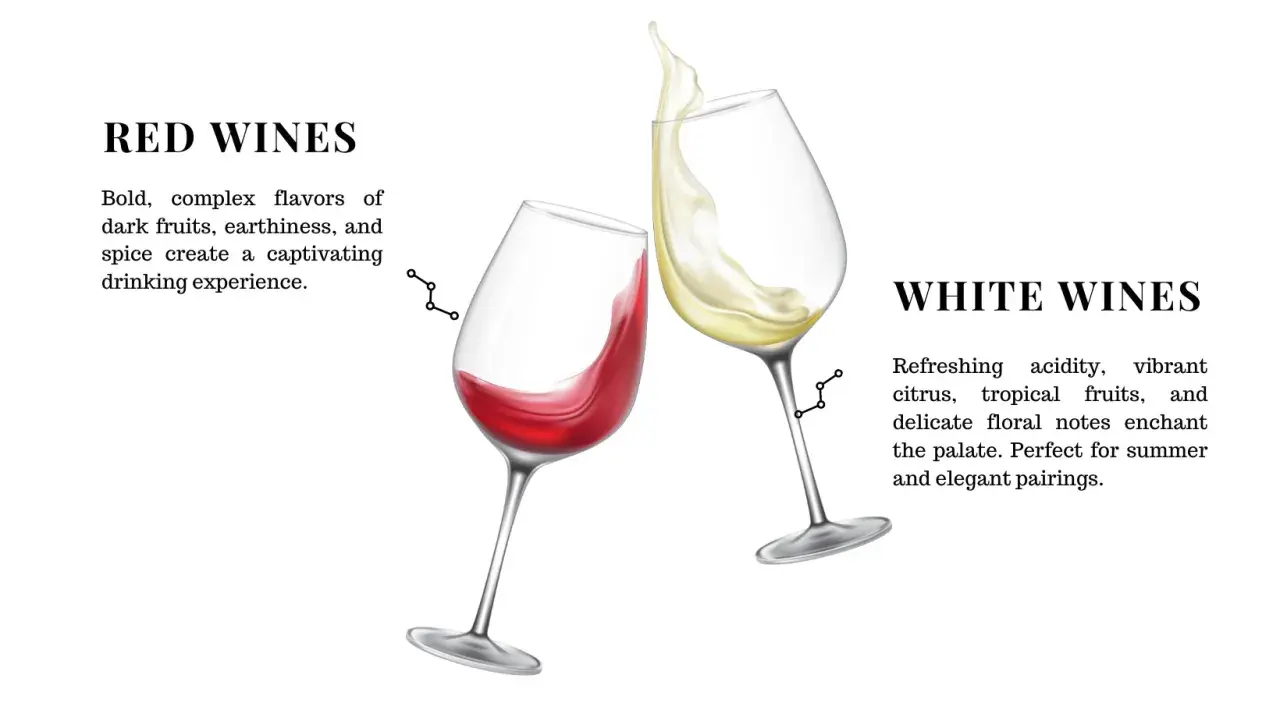
Zinfandel is one of those wines that sounds simpler than it is. The short answer is that Zinfandel is normally a red wine, while White Zinfandel is a pink rosé style made from the same grape, and the difference comes from how long the juice stays with the skins. That distinction matters if you are choosing a bottle for dinner, reading a UK wine list, or trying to match the wine to Basque food without ending up with something sweeter or heavier than you wanted.
What matters most at a glance
- Zinfandel is a red grape, so the classic version is a red wine.
- White Zinfandel is not a white wine; it is usually a pale pink rosé or blush style.
- Red Zinfandel is typically fruit-forward, dry, and fuller-bodied, often around 13.5-16% ABV.
- White Zinfandel is usually lighter, sweeter, and lower in alcohol, often around 9-10.5% ABV.
- In the UK, White Zinfandel is usually shelved with rosé rather than white wine.
- For Basque-style dishes, red Zinfandel suits grilled meat and stronger flavours, while White Zinfandel is better with lighter pintxos or gently spicy food.
Zinfandel is a red grape first
I start with the grape, because that clears up most of the confusion. Zinfandel is a dark-skinned grape, and when the juice spends time on those skins, it picks up colour, tannin, and more of the grape’s spicy, jammy character. Wine Folly describes Zinfandel as a bold, fruit-forward red, which is exactly the right mental model if you want the simplest answer.
The technical word here is maceration, which just means the juice stays in contact with the skins for a while during winemaking. Longer maceration gives you a deeper colour and more grip; shorter contact gives you something paler and softer. That is the basic split between a classic Zinfandel and White Zinfandel, and it leads straight into why the pink version even exists.
Why White Zinfandel looks pink instead of red
White Zinfandel is not made from a different grape. It is usually the same fruit, but the skins are removed much earlier, so the wine never turns fully red. That shorter skin contact leaves the wine pale pink rather than deep ruby, and in many bottles the fermentation is stopped or managed in a way that keeps some residual sugar, which is why the style often tastes sweeter.
That sweeter, easier style is also why White Zinfandel became such a popular entry-level wine. Wine Folly notes that it often sits around 9-10% ABV, which helps explain why it feels lighter in the glass than the red version. For me, the key point is simple: the colour tells you about the winemaking choice, not just the grape.

How to read the label in seconds
If you are standing in front of a shelf or scanning a wine list in the UK, I look for a few clues before I even think about the food. The label often tells you more than the grape name does.
| What you see | Likely style | What to expect |
|---|---|---|
| Zinfandel, old vine, reserve, dry | Red Zinfandel | Deeper colour, fuller body, dark fruit, spice, and usually more alcohol |
| White Zinfandel, blush, pink, rosé | White Zinfandel | Pale pink colour, lighter body, softer texture, and often a sweeter finish |
| Primitivo | Red style in the same family | Still a red wine, usually rich and fruit-driven, not a white wine |
| No style detail at all | Ask before ordering | The safest move is to confirm whether it is dry, sweet, red, or rosé |
In practice, I tell people this: if the bottle says White Zinfandel, think rosé section; if it simply says Zinfandel, think red. That one habit saves a lot of mismatched orders, especially when the menu is vague.
What each style tastes like with Basque food
This is where the difference becomes useful, because Basque cooking can move from briny and delicate to smoky and powerful very quickly. Red Zinfandel usually brings blackberry, plum, pepper, and a touch of smoke. White Zinfandel leans more toward strawberry, watermelon, peach, and a gentle sweetness. The texture is different too: red Zinfandel has more tannin, the dry grip you feel on your gums, while White Zinfandel feels rounder and easier.
| Style | Best flavour fit | Good Basque matches | Where it can struggle |
|---|---|---|---|
| Red Zinfandel | Black fruit, spice, smoke, fuller body | Grilled lamb, txuleta, txistorra, mushroom pintxos, roasted peppers, aged sheep’s cheese | Very delicate white fish or sharp vinegar-heavy dishes |
| White Zinfandel | Red berry fruit, light sweetness, low tannin | Salted olives, pintxos with ham, lightly spiced prawns, grilled fish, vegetable croquettes | Very rich sauces, high heat, or dishes where sweetness would clash |
For a Basque-style meal, I reach for red Zinfandel when the table is full of smoke, char, and meat. I only choose White Zinfandel when the food is lighter, saltier, or has a touch of spice that benefits from a chilled, fruitier glass. That practical split makes the wine feel intentional instead of random.
Which bottle I would choose for dinner
If I want one bottle to carry a whole meal, I usually choose the red. It has the structure to stand up to grilled meat and the flavour to keep pace with bold starters. Red Zinfandel is also the better choice if you like a more serious, dry wine that still feels generous and fruit-led.
If the mood is more relaxed, or the meal is built around pintxos, seafood, and shared plates, White Zinfandel can be a smarter move than a heavy red. I would serve red Zinfandel slightly cool, around 16-18°C, so the fruit stays fresh. White Zinfandel should be properly chilled, roughly 7-10°C, because warmth makes the sweetness feel heavier than it should.
That serving detail matters more than most people think. A red Zinfandel served too warm can taste hot and jammy; a White Zinfandel served too warm can lose the clean, easy drinkability that makes it useful in the first place.
The simplest rule when the list is unclear
My rule is straightforward: if the bottle says Zinfandel and nothing else, assume red until the menu proves otherwise. If it says White Zinfandel, blush, or rosé, expect a pink wine with a softer, sweeter profile. If you see Primitivo, you are still in red-wine territory, not white.
For a restaurant setting, that is usually enough to make a good decision fast. Choose red Zinfandel for grilled lamb, chorizo, roasted vegetables, or any Basque plate with smoke and depth. Choose White Zinfandel when you want something chilled, approachable, and a little sweeter for lighter pintxos or an aperitif.
That is the cleanest way I know to answer the colour question without overthinking it: Zinfandel is red, White Zinfandel is pink, and the label tells you which mood the bottle is trying to deliver.
