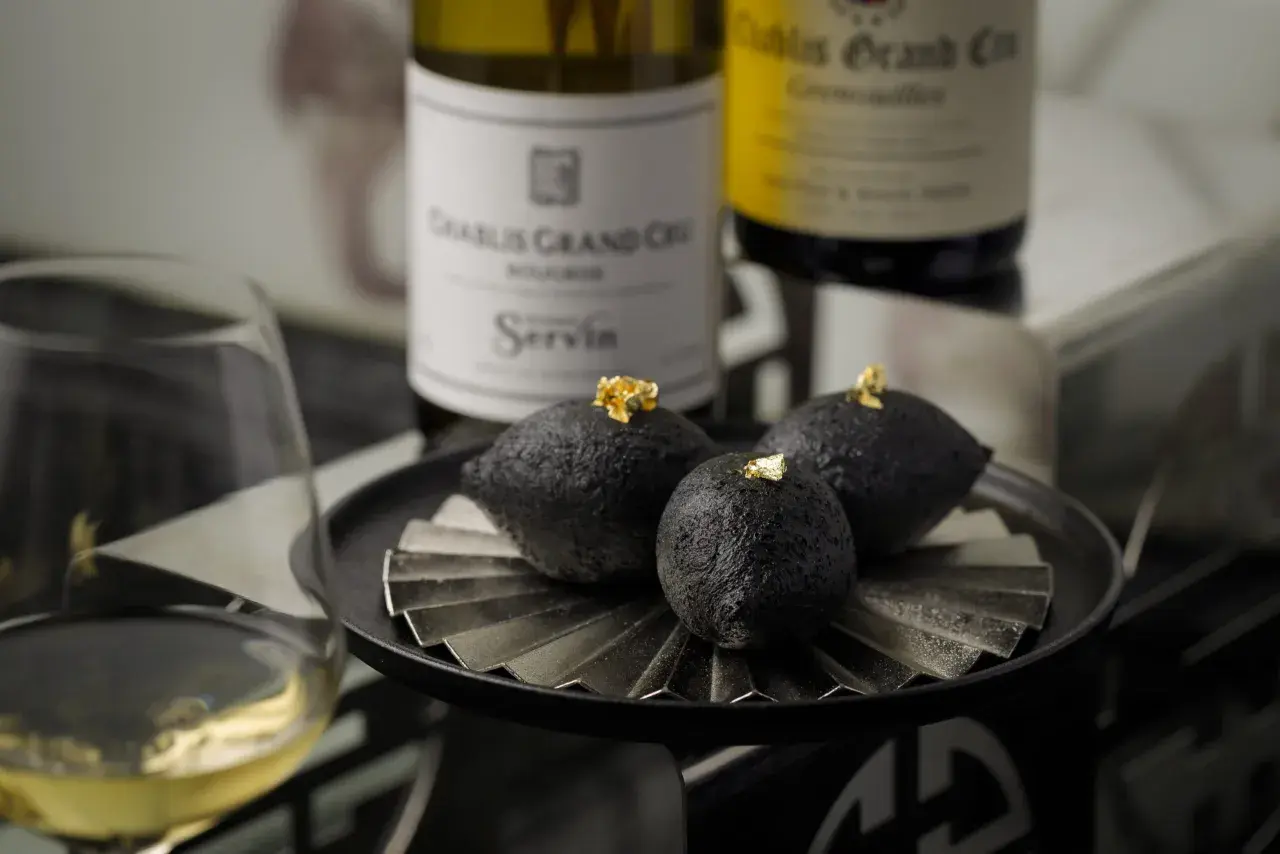
Chablis white wine sits at the crisp, mineral end of Chardonnay, and that is exactly why it works so well with seafood, shellfish, and dishes built on salt, citrus, and olive oil. This guide breaks down what it is, how the four appellations differ, what a sensible bottle costs in the UK, and how to serve it so the wine stays precise rather than flat. I’m also framing it with a Basque-food angle, because this is a style that rewards restraint and a sea-facing menu.
Key things to know before buying a bottle
- It is Chardonnay from northern Burgundy, usually with little or no obvious oak.
- The label matters: Petit Chablis, Chablis, Premier Cru, and Grand Cru are not interchangeable.
- Classic flavours usually sit around lemon, green apple, oyster shell, and wet stone.
- In the UK, good bottles often start around £18 to £20, with prices rising quickly by tier.
- Shellfish, grilled fish, crab, and fresh goat cheese are the safest food matches.
- Serve it cool, not icy, and do not overdecant the leaner styles.
What makes Chablis taste so distinct
I read Chablis as a wine of tension rather than volume. It comes from the far north of Burgundy, where cool temperatures preserve acidity and the soils encourage a stony, saline impression that many people describe as minerality. I use that word as shorthand for the wine’s clean, shell-like, slightly flinty feel, not because it literally tastes like rocks.
The region is planted almost entirely to Chardonnay, but the style is very different from the buttery, oak-heavy bottles people often expect from that grape. Classic Chablis is usually fermented and aged with minimal oak influence, so the fruit stays focused on citrus, green apple, pear, and white flowers. In warmer years or in more ambitious bottlings, you may also see peach, hazelnut, and a touch of creaminess, but the core identity stays dry and fresh.
Soil matters here too. The best-known sites sit on Kimmeridgian limestone rich in ancient marine fossils, which is one reason the wines often feel as if they were made for oysters and other sea-driven dishes. Once you understand that flavour profile, the appellation hierarchy starts to make sense rather than feeling like a marketing exercise. That takes us straight to the label.
The four appellations and what each one gives you
One of the biggest mistakes I see is treating every bottle from the region as the same thing. They are not. The four tiers signal real differences in depth, structure, and price, and once you know them, buying becomes much easier.
| Appellation | What it usually tastes like | Best use | Practical UK price band |
|---|---|---|---|
| Petit Chablis | Bright, lean, citrus-led, with a lighter frame | Aperitif, oysters, mussels, light starters | £15-£22 |
| Chablis | The classic middle ground: crisp fruit, salt, and a little more depth | Grilled fish, seafood pasta, pintxos with fish or shellfish | £18-£30 |
| Chablis Premier Cru | More texture, more length, often white peach, hazelnut, and a broader finish | Richer fish, poultry, shellfish with butter or cream | £28-£45 |
| Chablis Grand Cru | The most layered and persistent, with a long saline finish | Lobster, turbot, serious seafood, special occasions | £45-£70+ |
My rule is simple: if the meal is delicate, the lower tiers often feel more alive; if the dish is richer or more luxurious, the Premier Cru and Grand Cru bottles earn their keep. The hierarchy is not about snobbery, it is about matching weight and complexity. Once you know that, the next question is whether the price on the shelf actually makes sense.
How to buy a bottle in the UK without overspending
In the UK market, I would treat Chablis as a category where a small price jump can buy a noticeable improvement, but only if you know what to look for. A bottle around £19 to £25 can be excellent for a weeknight dinner, while a well-chosen Premier Cru around £30 to £40 often feels like a proper step up rather than just a more expensive label. Once you move into Grand Cru territory, you are usually paying for greater concentration, ageing potential, and a better vineyard site rather than just a broader flavour profile.
- Start with the appellation, then the producer. A respected maker matters more than a flashy label.
- Use Petit Chablis for quick drinking. It is usually the most straightforward value play.
- Choose village Chablis when you want the classic style. This is often the sweet spot for quality and price.
- Spend more on Premier Cru when the meal can support it. Richer dishes make the extra texture worthwhile.
- Do not assume the most expensive bottle is the best one for your table. A simple seafood starter can be flattened by an overbuilt wine.
I also pay attention to vintage. In cooler years, expect a firmer, more citrus-driven profile; in warmer years, expect a little more ripeness and roundness. That does not make the wine better or worse on its own, but it does change how it reads with food. With the bottle chosen, the most useful question becomes what to serve it with.
Which dishes bring it alive on the table
This is where Chablis becomes genuinely useful, especially in a Basque-inspired setting. It handles briny seafood, grilled fish, olive oil, and subtle smoke better than many fuller white wines, because it keeps the palate fresh instead of coating it. I would reach for it when a dish needs precision, not sweetness or oak.
| Dish | Best Chablis style | Why it works |
|---|---|---|
| Oysters, clams, mussels | Petit Chablis or Chablis | The acidity and saline edge echo the sea rather than fighting it. |
| Grilled hake, cod, or sea bass | Chablis | The wine supports the fish without overpowering its delicate texture. |
| Basque pintxos with anchovy, crab, or grilled peppers | Chablis | Salt, smoke, and vegetable sweetness stay in balance. |
| Langoustine, lobster, or crab with butter | Premier Cru | The extra depth keeps the wine from disappearing beside richer shellfish. |
| Fresh goat cheese or sheep’s cheese | Chablis or Premier Cru | Acidity cuts the creaminess and refreshes the palate. |
The main things I avoid are heavy chilli heat, sweet glazes, and very rich cream sauces unless the bottle is at least Premier Cru level. A leaner Chablis can look sharp next to those flavours, which is usually the wine’s fault only on paper; in practice, it is a pairing mismatch. From there, the final piece is service, because temperature and timing change this wine more than many people expect.
Serving, ageing and the bottles I would keep an eye on
Serve Chablis cool, not frozen. Around 8 to 10°C is a good working range for most bottles, because that keeps the wine fresh without muting the citrus and mineral notes. If it comes out of the fridge too tight, let it sit in the glass for a few minutes; the wine often opens noticeably once it loses the chill.
- Do not overchill it. Ice-cold Chablis can taste thin and aggressive.
- Use a medium-sized white wine glass. It gives the aromatics room to open.
- Decant selectively. I would consider it for serious Premier Cru or Grand Cru, especially if they seem closed on opening.
- Drink lighter bottles young. Petit Chablis is usually at its best early.
- Keep better bottles longer only if the producer and vintage justify it. Chablis can age, but not every bottle needs time.
| Style | Rough drinking window | What ageing does |
|---|---|---|
| Petit Chablis | 1-3 years | Stays brightest early; long ageing is rarely the point. |
| Chablis | 2-5 years | Gains a little roundness while keeping freshness. |
| Premier Cru | 5-10 years | Often develops more texture, honeyed notes, and complexity. |
| Grand Cru | 8-15+ years | Can become deeper, more layered, and more savoury with time. |
Those windows are guidelines, not laws. A strong producer in a good vintage can push beyond them, while an average bottle is usually better enjoyed sooner. Knowing that lets you buy for the meal rather than for the cellar, which is usually the smarter move.
The bottle I would open first with a seafood table
If I had to choose one bottle for a Basque-style seafood meal, I would start with a well-made village Chablis from a recent vintage. It is the most versatile middle ground: enough citrus and salinity for oysters or clams, enough structure for grilled hake or cod, and enough precision to keep pintxos and small plates feeling lively.
If the meal is very light, Petit Chablis is often the better value. If the dish is richer, or the evening calls for something a little more serious, Premier Cru is where I would spend the extra money. Grand Cru is not just a luxury label; when the producer and vineyard are strong, it can be superb, but I would save it for a table that can really show it off.
That is the practical way I think about this wine: choose the tier to match the food, keep the temperature under control, and let the bottle’s freshness do the work. When those three things line up, Chablis stops being a category name and becomes one of the most reliable white wines you can put beside a coastal meal.
