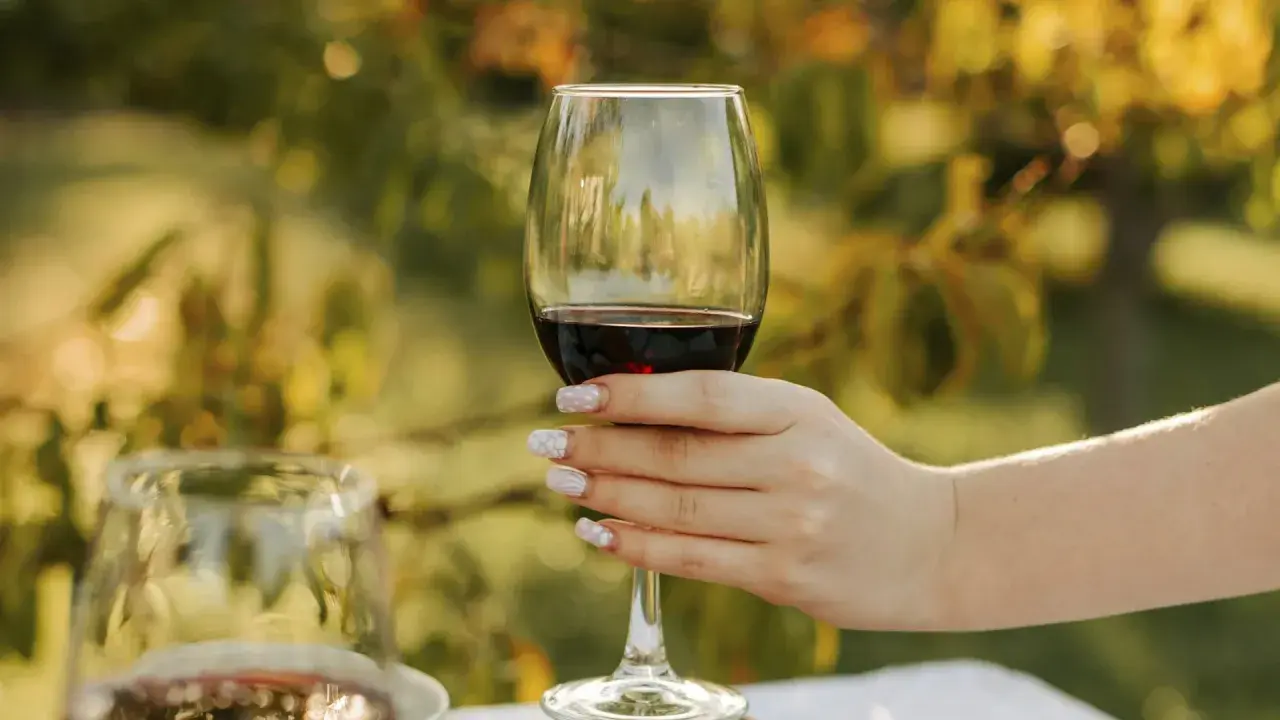
Alicante Bouschet is one of the most distinctive red grapes in wine because it is a teinturier variety: the juice and the flesh are red, not just the skin. That gives the wine the kind of colour, grip, and dark fruit character that can anchor a serious dinner table, especially when the food is grilled, roasted, or rich with smoke. In this guide I look at what the grape is, what it tastes like, how to serve it, and which dishes it rewards most.
Key facts at a glance
- It is a teinturier grape, which means the flesh is red and the colour is unusually deep.
- The wine usually tastes of blackberry, black plum, cherry, cocoa, smoke, pepper, and cedar.
- Serve it slightly cool, around 16-18°C, and decant younger bottles for 30-60 minutes.
- It works best with grilled meat, lamb, mushrooms, charred vegetables, and aged sheep’s cheese.
- It is usually a better match for bold savoury food than for delicate seafood or bright, acidic salads.
What makes this red grape different
The first thing I want to explain is why this grape looks so dramatic in the glass. Because the juice itself is coloured, even a modest extraction can produce a wine that looks opaque and almost ink-like. That is not just a visual trick; it often translates into a firmer frame, more mid-palate weight, and a style that feels built for food rather than for casual sipping.
That density also explains why the grape has long been used both on its own and as a blending tool. A small percentage can deepen colour and add body without needing aggressive winemaking, which is useful in hotter regions and in years when structure matters more than perfume. The variety was bred in France in the 19th century, but it made a stronger reputation in places such as Portugal and Spain, where it is often sold as Garnacha Tintorera.
That background matters because it tells you how to read the wine before you even taste it. It is rarely subtle, but when the fruit, tannin, and alcohol are in balance, it can be far more refined than its reputation suggests. That sets up the tasting profile, where its personality becomes obvious.
What it tastes like in the glass
I usually think of the flavour profile in three layers. The core is dark fruit: blackberry, black cherry, plum, sometimes blueberry if the wine is younger and more fruit-forward. Around that core you often find smoke, cocoa, baking spice, cedar, and a peppery edge that gives the wine shape.
| Style clue | What you taste | Why it matters |
|---|---|---|
| Fruit-first bottling | Blackberry, plum, cherry, ripe berry compote | Easier to drink young and more forgiving with simple grilled food |
| Oak-aged bottling | Cocoa, vanilla, smoke, cedar, sweet spice | Usually feels more structured and more serious at the table |
| Cooler, more balanced site | Brighter acidity, less jam, cleaner finish | Better if you want food-friendly freshness rather than sheer power |
| Blended wine | Rounder texture, softer tannin, slightly less depth | Often the easiest entry point for first-time drinkers |
The main trap is overripe fruit. When the grapes are pushed too far, the wine can turn jammy and lose the savoury edge that makes it interesting with food. When it is handled well, though, the same deep fruit becomes a strength: it feels generous without collapsing into sweetness. Once you know that shape, serving it properly becomes much easier.
How to serve it so it feels balanced
I would not serve it fridge-cold, and I would not pour it steaming from the cupboard either. The sweet spot is usually 16-18°C, which keeps the fruit alive but stops the alcohol from feeling blunt or hot. If the bottle is young, dense, or heavily oaked, a short decant of 30-60 minutes often helps more than people expect.
- Use a large glass so the aromas can open up.
- Cool the bottle slightly if the vintage is very ripe or high in alcohol.
- Give younger wines air; older, more delicate bottles need less time in the decanter.
- Do not treat it like a light Beaujolais-style red; it needs room and a little patience.
One practical rule I rely on is simple: the denser and younger the bottle, the more air it usually wants. That is why the wine can feel much better at the table than it does on the first splash into the glass. From there, the real test is food.

Food pairings that bring out its best side
This is the part where the grape becomes genuinely useful. I want salt, char, fat, smoke, or umami on the plate, because those elements keep the wine honest and stop the fruit from feeling heavy. In a Basque or Basque-inspired meal, that means grilled meat, roasted peppers, mushrooms, and aged cheese are your best friends.
| Good pairing | Basque or dinner-table example | Why it works |
|---|---|---|
| Grilled beef | Txuleta, ribeye, or charcoal-grilled steak | The char and fat match the wine’s depth and tannin |
| Lamb | Lamb chops, roast shoulder, rosemary lamb | Dark fruit lifts the savoury meat without overpowering it |
| Spiced sausage | Chistorra or chorizo | Smoke, paprika, and salt mirror the wine’s darker notes |
| Mushrooms | Garlic mushrooms, wild mushroom pintxos, truffle dishes | Earth and umami make the wine taste less sweet and more complex |
| Aged cheese | Idiazabal or another mature sheep’s cheese | Salinity and nutty depth keep the tannin in check |
| Charred vegetables | Grilled peppers, aubergine, onions | Smoke and sweetness give the wine a clean, savoury frame |
I would avoid delicate cod, shellfish, and vinegar-led salads. Those dishes are often too light or too sharp to stand beside a wine with this much colour and grip, and the result can feel mismatched rather than elegant. That is exactly why the grape makes such sense on a Basque table once the meal turns from snacks to the main event.
Where it fits on a Basque-inspired table
On a Basque-inspired menu, I would bring it in after the lighter pintxos, not before them. It belongs with the heart of the meal: grilled chuleta, lamb shoulder with herbs, wild mushrooms with garlic and parsley, or a slow-cooked dish with a deeply reduced sauce. If the meal ends with cheese, an aged sheep’s cheese is the safest bridge because the salt and nuttiness keep pace with the tannin.
That same logic works well in the UK too. I think it is especially good with a Sunday roast, venison, char-grilled burgers, or any plate where smoke and savoury depth matter more than delicacy. In other words, it is not just an Iberian curiosity; it is a serious dinner red when the food has enough weight to meet it halfway. If you are still choosing a bottle, the last section will help you avoid the usual traps.
What I would remember before pouring it with dinner
If you are shopping, I would read the label with a clear goal in mind. Not every bottle is trying to do the same job, and that is where many buyers go wrong. A structured, ageworthy bottle is excellent for a proper meal; a softer blend is often better for weeknight drinking; and a fresher style can be the smartest choice when you want the food to stay in the foreground.
| If you want... | Look for... | What to expect |
|---|---|---|
| A serious dinner wine | Varietal bottling, often from hot, dry vineyards | Deeper colour, firmer tannin, more age potential |
| A softer, easier bottle | A blend where the grape plays a supporting role | Rounder texture and less intensity |
| More freshness | Moderate oak and balanced alcohol | Cleaner fruit and better food versatility |
| A label clue in Spain | Garnacha Tintorera | The same general grape identity under a different name |
For me, Alicante Bouschet is at its best when the meal has enough weight to meet it halfway. I do not reach for it when I want delicacy; I choose it when I want colour, muscle, and a red that can make grilled meat, mushrooms, and aged cheese taste even more vivid. Give it air, serve it slightly cool, and put it beside food with smoke, salt, or slow-cooked depth, and it becomes much more than a dark-coloured curiosity.
