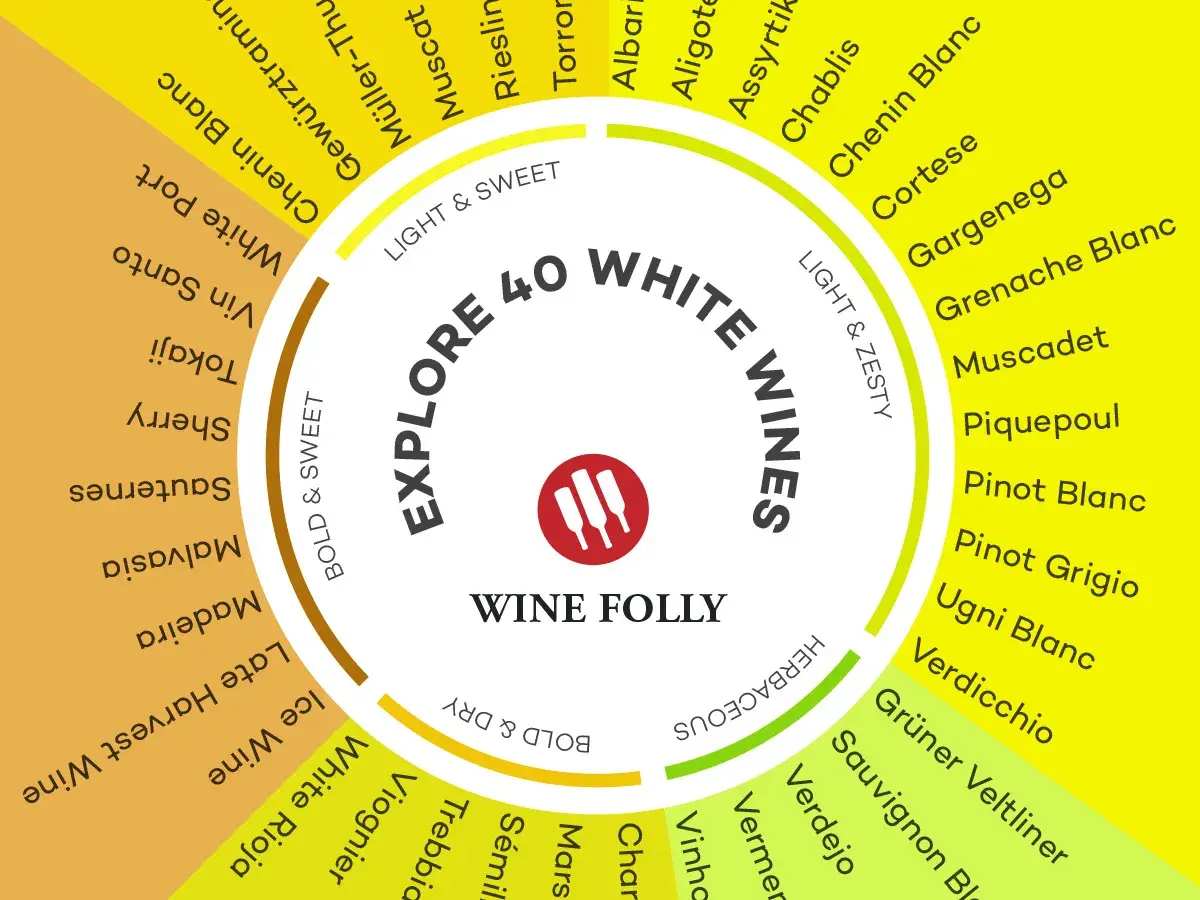
White wines from France can be lean, citrusy, and saline, or round, floral, and oak-shaped, and that range is exactly why they deserve more than a quick label glance. In this guide I’ll break down the main styles, the regions that define them, how to pick a bottle in the UK, and which versions work best with Basque and coastal food. If you want a bottle that feels right at the table rather than just technically good, the details here will matter.
What matters most when choosing a bottle
- Start with style first: crisp, aromatic, textured, or richer and oak-aged.
- Loire and Burgundy are the safest entry points; Alsace and the southwest add more personality.
- In UK shops, the strongest value is usually in the £12 to £20 range.
- Seafood, shellfish, goat’s cheese, and Basque dishes usually prefer high-acid whites with a clean finish.
- Serve lighter bottles colder, but not so cold that the aroma disappears.
Why white wines from France taste so different
I usually think about white wine in four practical layers: grape variety, climate, winemaking, and texture. Chardonnay can taste taut and mineral in Chablis, then fuller and toastier in parts of Burgundy if the producer uses oak and lees ageing. Sauvignon Blanc can feel razor-sharp and herbal in the Loire, while Chenin Blanc can move from bone-dry to gently off-dry without losing freshness.
Acidity is the backbone in many French whites, but it is not the whole story. Some bottles rely on a stony, linear profile; others gain weight from lees contact, which is the time the wine spends on dead yeast cells after fermentation. That adds a faint bread dough note and a rounder mouthfeel. Oak can deepen the wine again, but too much of it can flatten the precision that makes these wines useful with food.
There is also a simple point that gets missed: not all French whites are dry. Some are made to be crisp and food-friendly, while others lean aromatic, off-dry, or even sweet. Once those variables are clear, the regions become much easier to read.

The regions that shape the style
The easiest way to understand French white wine is to stop treating it as one category. Region usually tells you more than the grape alone, especially when you are choosing a bottle for dinner rather than for a tasting note exercise.
| Region | Main grapes | What it usually tastes like | Best use |
|---|---|---|---|
| Chablis and Burgundy | Chardonnay | Citrus, green apple, chalk, and sometimes a subtle creamy edge | Shellfish, grilled fish, roast chicken |
| Loire Valley | Sauvignon Blanc, Chenin Blanc, Melon de Bourgogne | Herbal, stony, bright, and often very precise | Oysters, goat’s cheese, salted or herbal dishes |
| Alsace | Riesling, Pinot Gris, Gewürztraminer | Aromatic, structured, and sometimes lightly off-dry | Spiced dishes, richer fish, dishes with ginger or pepper |
| Bordeaux and the southwest | Sauvignon Blanc, Sémillon, Gros Manseng, Petit Manseng | Ripe citrus, waxy texture, and occasionally a creamy finish | Poultry, buttery sauces, cheeses, and fuller plates |
| Rhône, Jura, and Savoie | Viognier, Marsanne, Roussanne, Jacquère, Savagnin | More floral, peachy, nutty, or alpine in character | Herby dishes, richer seafood, mountain cooking |
How to choose the right bottle in the UK
For UK buyers, I think in budget bands rather than in vague “good value” language. Around £8 to £12, you can find simple, fresh bottles that do the job for casual drinking. In the £12 to £20 range, the quality jump is usually obvious: better site expression, more precise acidity, and less obvious winemaking. From £20 upward, you are paying more for origin, producer reputation, oak handling, or a more distinctive style.
| What you see on the label | What it usually means | My take |
|---|---|---|
| AOP or a named village or cru | More specific origin and usually more character | Worth paying attention to if you want a food wine with a sense of place |
| Sec | Dry | Useful when you want freshness without sweetness |
| Sur lie | Kept on lees for added texture | Good clue for a rounder mouthfeel and a slightly savoury edge |
| Barrel fermented or oak-aged | Richer texture and often a more layered finish | Choose this for roast chicken, creamy dishes, or fuller seafood plates |
| Vin de France or a broad regional blend | Less specific origin | Can still be good, but I read the producer more carefully |
The trap is assuming that a higher price automatically means a better bottle for your meal. It does not. A lean £12 Muscadet can be more useful with oysters than a £25 oak-heavy Chardonnay. If the label makes the wine sound like dessert when you need dinner wine, I usually put it back and move on.
The pairings that work with Basque food and coastal dishes
This is where French whites earn their keep. Basque cooking often has clean seafood, peppers, garlic, tomatoes, herbs, and sheep’s milk cheese, so I look for wines that bring freshness without thinning out the flavour. Too soft, and the food takes over. Too oaky, and the wine starts fighting the dish.
| Dish | Best style | Why it works |
|---|---|---|
| Oysters, mussels, and grilled sardines | Muscadet, Picpoul, or a dry Loire Sauvignon | The salt, acidity, and clean finish echo the sea rather than covering it |
| Hake, monkfish, or sea bass | Chablis or unoaked Chardonnay | Enough body for the fish, but not so much oak that the dish feels heavy |
| Piperade and roasted peppers | Dry Jurançon, Loire Chenin, or Riesling | The acidity cuts through sweetness from the vegetables and keeps the plate lively |
| Chipirons, grilled squid, or garlic prawns | Aromatic dry whites with a firm finish | They can handle smoke, garlic, and a bit of char without turning blunt |
| Ossau-Iraty and other sheep’s cheeses | Off-dry Chenin, Pinot Gris, or Jurançon sec | Fruit and acidity balance the salt and keep the cheese from feeling dry on the palate |
| Poulet basquaise or a creamy poultry dish | Bordeaux Blanc or lightly oaked Chardonnay | The wine needs a little texture to sit comfortably beside sauce and slow cooking |
Basque tables often get attention for txakoli, and fairly so, but French whites sit naturally beside the same food. For me, the best matches are the wines that respect the dish’s brightness first and its richness second. Once the bottle is chosen, the food on the table should finish the argument.
How to serve, store, and avoid the usual mistakes
Temperature changes white wine more than most people expect. Light, crisp bottles usually show best at 7 to 9°C, while richer or oak-aged styles are better around 9 to 11°C. If the wine is too cold, the aroma shuts down and everything tastes flatter than it should. I would rather wait ten minutes than throw ice into a glass.
- Chill lean whites before serving, but do not serve them icy.
- Use a medium-bowl glass for aromatic styles and a narrower glass for sharper, more mineral ones.
- Open bottles usually hold for 2 to 3 days in the fridge if you re-seal them well.
- Richer, oak-aged whites can sometimes hold a little longer than very delicate bottles.
- Decant only when the wine is structured or oak-driven enough to benefit from air.
Storage is simpler than people make it. Keep unopened bottles cool, dark, and stable, and avoid leaving them near heat or strong light. If the bottle has a cork, short-term side storage is fine; if it has a screwcap, upright is also perfectly acceptable. With that in place, choosing a bottle becomes a short decision rather than a long one.
The bottles I keep in mind for seafood, peppers, and sheep’s cheese
When I want a fast answer, I reduce the whole category to a few dependable patterns. For shellfish and simple fish, I reach for Muscadet, Picpoul, or Chablis. For peppers, herbs, and piperade, I look at dry Chenin, Loire Sauvignon, or Jurançon sec. For sheep’s cheese or a richer poultry dish, I want a bottle with a little more body, such as Alsace Pinot Gris, Bordeaux Blanc, or an oak-touched Chardonnay.
That shortlist is enough for most real dinners, and it keeps the wine focused on the plate instead of the label. If I had only one rule to keep, it would be this: choose the bottle that matches the food’s weight and texture, not just its colour. That is the easiest way to make white wines from France feel less broad and far more useful.
