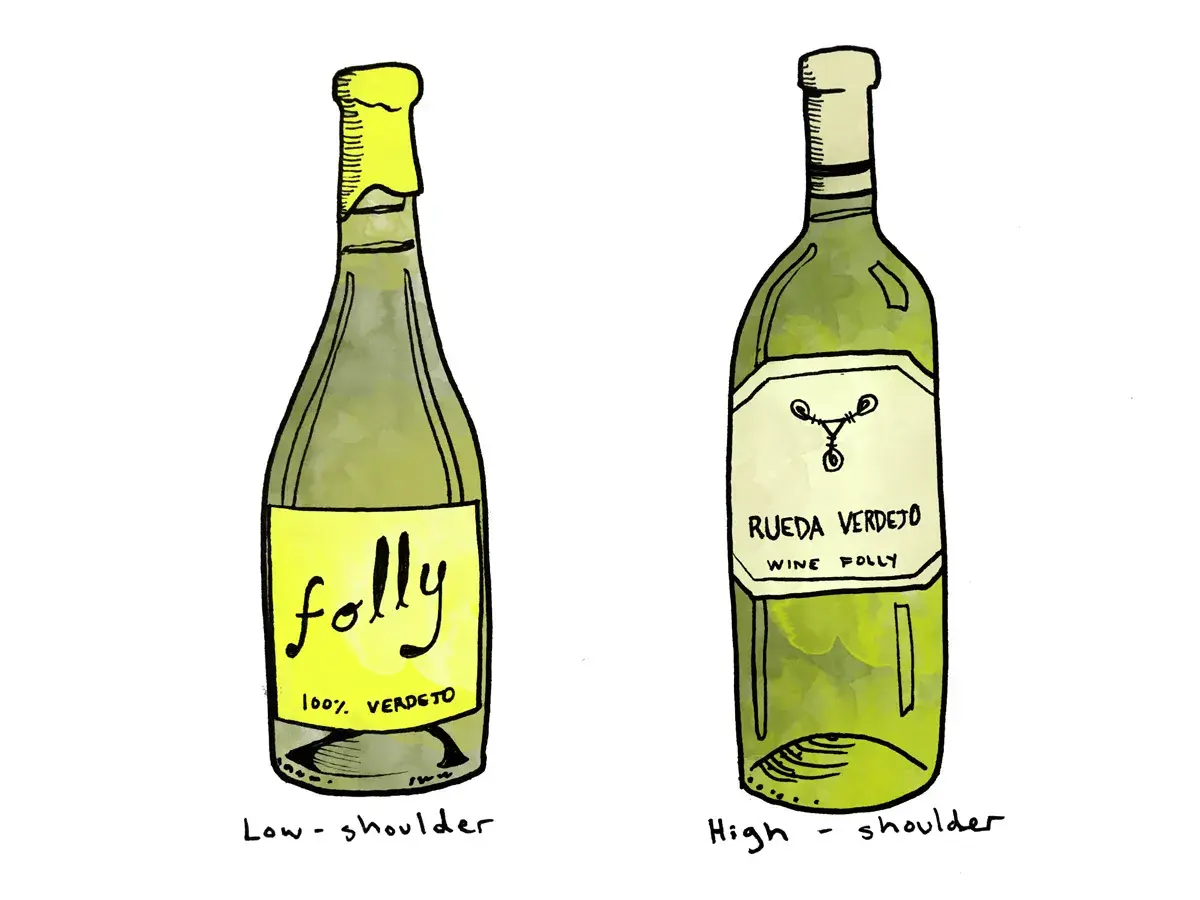
Verdejo sits in that useful middle ground between bright, citrus-led freshness and enough texture to feel like a proper food wine. It is a Spanish white grape, most closely associated with Rueda, and it matters because it can carry seafood, tapas and lightly creamy dishes without getting lost. Here I break down what it tastes like, how to choose a good bottle in the UK, and how I would serve it with a Basque-style table.
The essentials at a glance
- Origin: Verdejo’s strongest identity comes from Rueda in Spain’s Castilla y León, where the grape has become the reference point for the style.
- Flavour: Expect lime, green apple, fennel, fresh herbs and a faint almond-like finish rather than big tropical fruit.
- Best role: It works best as a crisp, dry white for seafood, pintxos, grilled fish and dishes with olive oil.
- Style range: The lean stainless-steel version is all about freshness; lees-aged or oak-aged bottles bring more roundness and toast.
- Serving point: Young bottles usually shine at 7-10°C, while richer versions are better a little warmer.
- Buying cue in the UK: I would look first for Rueda on the label, then check whether the producer has aimed for a fresh or more textured style.
Where Verdejo comes from and why that matters
Verdejo earned its reputation in the dry, sunlit vineyards of central Spain, especially around Rueda. That geography explains a lot: warm days ripen the fruit, cooler nights help preserve acidity, and modern cellar work keeps the wine vivid rather than heavy. The classic approach is cool fermentation in stainless steel, often with careful handling to limit oxidation, which is why the best examples feel so clean and direct.
I find that origin story useful because it tells you what the grape is trying to do in the glass. This is not a white built for perfume alone, and it is not trying to imitate a weighty oak-aged Chardonnay. Its real strength is balance, with enough freshness to refresh the palate and enough structure to stand up to food.
| Style | What it usually tastes like | Best use |
|---|---|---|
| Young, stainless-steel Verdejo | Citrus, green apple, fennel, herbs, a light bitter edge | Aperitif, shellfish, salads, pintxos |
| Lees-aged Verdejo | Rounder texture, a little creaminess, more depth | Grilled fish, roast chicken, richer vegetable dishes |
| Barrel-aged Verdejo | Toast, almond, lemon curd, spice, fuller mouthfeel | Buttery sauces, baked fish, dishes with more weight |
If you know which of those styles you are buying, the rest of the tasting note becomes much easier to read. That leads straight into the bigger question for most drinkers: what should it actually taste like?
How it tastes in the glass
A good bottle usually opens with citrus peel, lime, grapefruit zest and green fruit, then shifts into herbal notes that can feel like fennel, fresh cut grass or even a hint of white flowers. The finish often carries a slight almond bitterness. I do not treat that as a defect; in the right bottle, it is exactly what keeps the wine from feeling thin.
What separates Verdejo from many other Spanish whites is that combination of brightness and grip. Sauvignon Blanc can be greener and more overtly aromatic. Albariño often leans more saline and coastal. Verdejo is its own thing: dry, lively and just a little more textural than the first sip suggests. When it is made well, it feels almost tailor-made for dishes that have olive oil, salt or a touch of cream.
- Dryness: Most examples are fully dry, even when the fruit tastes ripe.
- Acidity: High enough to keep the wine energetic, but not usually sharp.
- Body: Light to medium for young bottles, medium for more serious styles.
- Ageing behaviour: Simple bottles are best young, usually within about 1-3 years; better cuvées can develop for longer.
That mix of freshness, texture and a slightly savoury finish is the reason I reach for it with food rather than just as a casual glass. Once you understand that, the pairings make a lot more sense.
Why it works so well with Basque food
Basque cooking gives any white wine a real test: olive oil, seafood, grilled vegetables, salt, smoke and sauces that can be either delicate or quite rich. Verdejo handles that range better than many people expect. Its acidity cuts through oil, its herbal side mirrors green vegetables and herbs, and its faint bitterness keeps salted food tasting fresh.
I like it most with dishes that are simple in technique but precise in flavour. That is the same reason it works so well in a pintxos setting, where one bite can combine bread, seafood, anchovy, pepper and olive oil all at once.
| Basque dish | Why Verdejo works |
|---|---|
| Grilled hake or cod | The wine’s citrus keeps the fish bright, while the herbal edge suits the clean savouriness. |
| Bacalao al pil-pil | Acidity cuts the emulsion, so the dish tastes lighter and less oily. |
| Anchovy toasts and salty pintxos | The slight bitter finish resets the palate after salt and oil. |
| Grilled squid or mussels | Fresh citrus and green notes keep shellfish tasting focused rather than muted. |
| Artichokes, asparagus and green vegetables | The herbal profile supports the vegetable flavour instead of fighting it. |
| Mild goat cheese or a younger Idiazabal | A touch of texture in the wine gives it enough presence for cheese without overwhelming it. |
If a dish is very smoky, heavily spiced or dominated by cream, I would move toward a richer, lees-aged bottle rather than the freshest style. Once food is sorted, the next practical issue is simply choosing the right bottle in the UK market.
How to choose a bottle in the UK
In British shops, I would start with origin and style clues rather than price alone. Rueda is the safest signpost for the classic expression, because that is where the grape is most consistently handled in the fresh, food-friendly style people usually want. If the label names the grape, so much the better, but I still pay attention to the winemaking terms because they tell you more about the texture than the grape name does.
As a rule of thumb, I expect to pay roughly £7-£12 for a straightforward everyday bottle and around £13-£20 for a more layered wine with lees work, old-vine fruit or barrel influence. That is not a luxury category, and it should not be treated like one; the sweet spot is good value rather than prestige.
| Label clue | What it means | When I would pick it |
|---|---|---|
| Rueda | The classic Spanish region most associated with Verdejo | When I want the most reliable, fresh version |
| Vendimia nocturna | Night harvest, used to protect freshness and reduce oxidation | For a cleaner, more aromatic style |
| Sobre lías | Lees aging, which adds weight and a softer texture | For richer fish dishes or dishes with a creamy element |
| Fermentado en barrica | Fermented in barrel, usually giving toast and spice | For roast chicken, baked fish or more structured meals |
| Joven | Young and intended for early drinking | For pintxos, shellfish and simple weeknight meals |
If I had to buy one bottle for a Basque dinner, I would choose the fresher style first, then a more textured bottle only if the menu had cream, roast poultry or a richer fish course. That way the wine supports the meal instead of trying to dominate it.
How I would serve it at the table
Temperature makes a bigger difference here than people sometimes admit. Young Verdejo should be chilled, but not stripped of all flavour. I would serve it around 7-10°C for a fresh style and closer to 9-12°C if the bottle has oak or lees weight. Too cold and the citrus and herb notes flatten out; too warm and the wine can feel broader than it should.
A standard white-wine glass is enough. You do not need anything oversized, but you do want enough bowl shape for the aromas to open up. If the bottle has been sitting in the fridge, I usually give it a few minutes in the glass before judging it. The wine often becomes more interesting as the chill eases off.
- Chill the bottle, not the flavour out of it.
- Use a white-wine glass rather than a tiny flute-style glass or a very large bowl.
- Open richer styles a little earlier so the texture can relax.
- Do not overdo chilli heat unless the wine is fuller and more textured.
- Match the bottle to the sauce, not just to the protein.
That serving range is one of the reasons I like the grape so much: it is easy to make it pleasant, but there is enough nuance to make it genuinely good when you handle it well.
The details that separate a good bottle from a forgettable one
The best Verdejo is rarely the loudest bottle on the shelf. What I look for is a clean line between fruit, acidity and texture. If the wine tastes all one-note citrus, it usually fades quickly with food. If it brings a little fennel, a little almond and a slightly savoury finish, it feels complete.
Producer decisions matter more than many casual buyers realise. Harvest timing, night picking, stainless steel versus barrel, and whether the wine spends time on lees all change the result in the glass. I also pay attention to whether the wine feels balanced at the end of the sip. A good bottle leaves me wanting another bite of food, not another explanation from the back label.
For me, that is the real appeal of Verdejo: it is not just a fresh white from Spain, but a wine that can move from simple pintxos to grilled fish and still feel at home. If you keep one fresher bottle for aperitif-style drinking and one richer bottle for a more composed meal, you will cover most situations on a Basque table without guessing.
