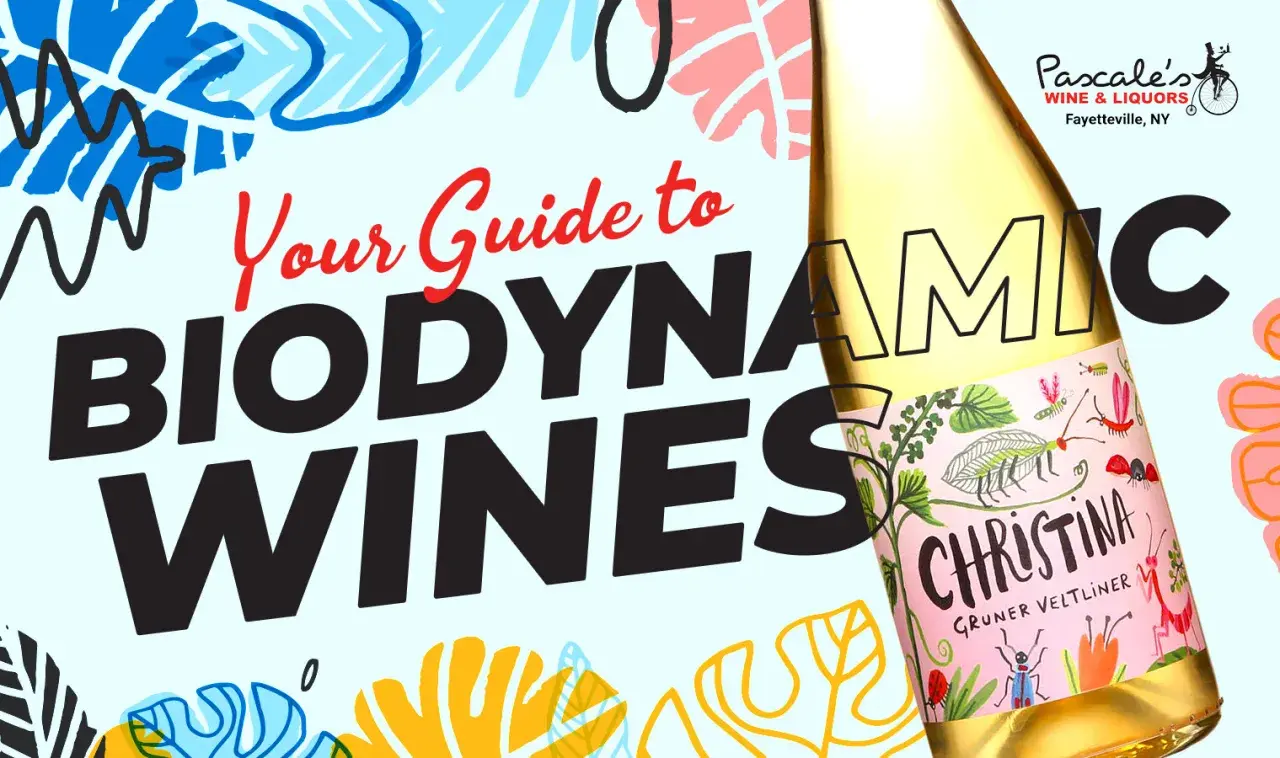
Biodynamic wines are not just another shelf label; they come from vineyards managed as living ecosystems, with soil health, plant balance, and lower-intervention farming at the centre. This guide explains what a biodynamic wine means in practice, how it differs from organic and natural styles, what to look for on a UK bottle, and which bottles I would pour with Basque food.
The essentials that matter before you buy
- Farming is the core idea. Biodynamics focuses on the vineyard as a living whole, not just on avoiding chemicals.
- Certification matters. The clearest marker is a recognised biodynamic standard, with regular inspections behind it.
- Do not assume the cellar style. A biodynamic bottle can still be filtered, fined, or contain added sulphites.
- It is a long game. Full conversion usually takes about three years, which helps explain the cost.
- For Basque food, acidity wins. Crisp whites, saline rosés, and light reds usually work best.
What makes biodynamic farming different
I think of biodynamic farming as organic farming with a stronger ecosystem logic. Growers work with compost, spray and compost preparations, and seasonal timing to support soil life instead of leaning on synthetic fixes. The practical aim is not mysticism for its own sake; it is healthier vines, better-balanced fruit, and fewer corrections later.
In practice, the system asks for patience. A farm usually needs about three years to convert fully, and the standard is reviewed every year. That matters because it shows the method is designed as a long-term farming discipline, not a label that can be switched on for one vintage. The standard also covers wine and sparkling wine, so the certification is not only about grapes in the abstract.
The moon calendar gets attention, but I would not make that the whole story. What matters most is the quality of the soil work, the cleanliness of the farming, and the consistency of the producer over time. Once that is clear, it becomes easier to separate farming philosophy from cellar style.
How it differs from organic and natural wine
A useful way to separate the categories is to remember that biodynamic and organic describe how grapes are grown, while natural wine is more about the cellar. That distinction stops a lot of confusion before it starts. I also think it helps buyers in the UK, where labels can be concise and the real detail is often hiding in the back label or merchant notes.
| Style | Main focus | Cellar expectations | What it usually means for you |
|---|---|---|---|
| Biodynamic | Farm as a living system, with soil care, preparations, and seasonal rhythm | Varies by certification and producer, but the vineyard rules are central | Often vivid, site-driven wines with a strong sense of place |
| Organic | No synthetic herbicides or pesticides in the vineyard | Cellar rules depend on the certification and country | A cleaner farming baseline, but not automatically a distinct wine style |
| Natural | Lower-intervention winemaking and minimal manipulation | Usually looser, with less standardisation and more producer variation | More texture and unpredictability, sometimes very expressive, sometimes not |
My short version is simple: biodynamic is a farming method, organic is a farming baseline, and natural is a cellar philosophy. A bottle can overlap with another category, but one label does not automatically prove the others. The bottle label is where that distinction starts to matter.

How to read the label without getting fooled
On a UK shelf, I look for three things first: the certification mark, the wording around the grapes, and whether the producer is transparent about cellar work. A clear biodynamic logo is the strongest signal. Phrases such as "made from biodynamic grapes" can still be meaningful, but they may point to a narrower claim than a fully certified estate wine.
- Look for a real certification mark. A vague biodynamic claim without any standard behind it is just marketing language.
- Check the back label carefully. The grapes may be certified even if the winery follows different cellar rules.
- Do not panic if sulphites appear. Biodynamic farming is not the same thing as zero-sulphur winemaking.
- Fining and filtration are separate questions. A wine can be biodynamic in the vineyard and still be clarified in the cellar.
- Ask for producer notes. A serious merchant should be able to tell you whether the vineyard, the grapes, or the whole estate is certified.
If the label is vague, I treat that as a cue to ask better questions rather than to assume the worst. Once the label makes sense, the only test that really matters is how the wine behaves at the table.
What these bottles bring to a Basque table
This is where the subject stops being abstract. Basque cooking is built on clean flavours, seafood, peppers, garlic, cured fish, sheep's milk cheese, and grilled meat, so I usually reach for wines with freshness and enough shape to handle salt, smoke, and olive oil. If you already like txakoli, look for biodynamic bottles that keep that bright, saline energy rather than aiming for oak and weight.
| Basque dish | Wine style to look for | Why it works |
|---|---|---|
| Anchovy pintxos, olives, fried bites | Crisp white or dry sparkling wine | Fresh acidity cuts salt and oil instead of fighting it |
| Grilled sardines, hake, bacalao | High-acid white with a savoury edge | Matches the texture of fish without blunting the flavour |
| Idiazabal and other sheep's milk cheeses | Textured white or a light skin-contact wine | Handles smoke, fat, and nuttiness more gracefully |
| Piperrada, peppers, mushroom pintxos | Aromatic white or light red | Brings lift to earthy vegetables and gentle sweetness |
| Grilled lamb or txuleta | Light to medium red with fresh tannin | Keeps the meal from feeling heavy or over-oaked |
Skin-contact wine, sometimes called orange wine, is white wine fermented with the grape skins for extra texture and grip. It can be excellent with savoury Basque dishes, but only when the tannin is balanced and the aromatics are not too aggressive. That is the real lesson here: style matters more than labels.
When the higher price is worth it
Biodynamic bottles often cost more because the work sits in the vineyard: hand labour, smaller yields, careful composting, and long conversion periods. That three-year transition is expensive before the first fully certified harvest even leaves the farm, so the price is not just about branding.
- Manual work is higher. More time goes into pruning, canopy management, and soil care.
- Yields are often lower. Smaller crops usually mean fewer bottles per hectare.
- Traceability adds effort. Good producers keep stricter records and cleaner separation.
- Certification is not free. Annual inspection and compliance take time and money.
- Small production pushes pricing up. Limited quantities are common, especially from serious growers.
I think the premium makes sense when you want a wine that tastes tied to a place, when the producer is genuinely transparent, or when the bottle is part of a meal where freshness matters. It matters less if you just want a generic crowd-pleaser and do not care how the grapes were grown. Price can reflect care, but it is never a guarantee of quality on its own.
A practical way to choose the right bottle for Basque food
If I were buying tonight in the UK, I would keep it brutally simple: start with the dish, not the label hype. Then match acidity to salt, texture to richness, and serving temperature to the style.
| If the menu is... | I would reach for... | Serve at |
|---|---|---|
| Seafood pintxos, anchovies, fried bites | Crisp white or dry sparkling wine | 8 to 10 C |
| Piquillo peppers, mushrooms, vegetable plates | Aromatic white or skin-contact white | 10 to 12 C |
| Grilled fish, bacalao, shellfish | Saline white with high acidity | 9 to 11 C |
| Grilled lamb, txuleta, richer meat dishes | Light red with fresh tannin | 14 to 16 C |
If I want a fast shortcut, I ask one question before buying: will this bottle make the food taste brighter, or heavier? If it makes the table feel brighter, the odds are good. That is why I come back to biodynamic bottles for Basque-style meals, because the best ones do not shout about themselves, they simply leave more room for the food.
