Pinot Grigio works best when it feels precise rather than loud: citrus, orchard fruit, a dry finish, and enough acidity to keep the glass moving. The pinot grigio taste is usually light, crisp, and food-friendly, but the bottle in front of you can shift from lean and mineral to rounder and more textured depending on where it was made and how it was handled in the cellar. This guide breaks down what the wine actually tastes like, why it changes, how to serve it properly, and which dishes make it shine, including a few that fit naturally with Basque cooking.
The flavour profile at a glance
- Expect lemon, lime, green apple, pear, and sometimes white peach or melon.
- Most styles are dry, light to medium-bodied, and high in acidity.
- Cool-climate bottles usually taste sharper and more mineral, while warmer sites bring riper fruit and a softer edge.
- Serving it around 8-10°C keeps the wine crisp without muting the aroma.
- It works best with seafood, shellfish, pintxos, salads, and other lighter dishes.
- Many fresh styles are best enjoyed young, usually within about 2-3 years of the vintage.
What Pinot Grigio actually tastes like
At the glass, I think of Pinot Grigio as a wine that wants to refresh rather than dominate. The first impression is usually citrus, especially lemon and lime, followed by green apple, pear, and occasionally white peach or melon. Good bottles finish clean and dry, with a little grip or a faint almond-like edge that stops the wine from feeling flat.
The body is usually light to medium, so the wine feels easy on the palate rather than heavy or creamy. That is why it can seem understated at first sip: the appeal is in precision, not volume. One bottle may taste very brisk and almost saline; another may be fruitier and softer, but the common thread is freshness.
| Taste cue | What you usually notice | What it means in the glass |
|---|---|---|
| Aroma | Lemon zest, lime, green apple, pear, white peach | The wine is built for brightness and easy drinking |
| Palate | Dry, light to medium body, lively acidity | It should feel crisp rather than heavy |
| Finish | Clean, sometimes slightly almond-like or saline | There is enough structure to keep it food-friendly |
| Alcohol | Often around 11.5-13.5% ABV | Lower alcohol usually feels leaner, while the higher end can taste a little riper |
Ripe pear and peach notes do not automatically mean the wine is sweet. In fact, many Pinot Grigios are bone-dry; the fruit just makes the wine feel rounder than a sharper citrus-driven white. Those clues are useful, but they only make sense once you know what changes the wine from bottle to bottle.
Why the flavour changes from bottle to bottle
Three things matter most to me: climate, harvest timing, and the choices the winemaker makes after the grapes come in. In cool regions, the wine tends to lean toward lemon zest, green apple, and wet-stone minerality. In warmer sites, the fruit moves towards pear, peach, and melon, and the acidity feels a little softer.
- Climate shapes the fruit profile. Cooler sites usually give sharper acidity and cleaner citrus notes.
- Harvest timing changes the weight. Earlier picking keeps the wine brisk; later picking pushes it toward riper fruit.
- Lees ageing can add texture. Lees are the spent yeast cells left after fermentation, and contact with them can make the wine feel creamier and broader.
- Skin contact can add colour and grip. A short soak on the skins may give a faint copper tint and a slightly more textured palate.
- Residual sugar matters too. Residual sugar is the natural sugar left after fermentation, and even a small amount can make the wine feel rounder.
- Oak is less common in the classic style, but when it appears it can bring spice, toast, and extra weight.
That is why two bottles with the same grape name can feel almost unrelated. One may be lean and salty, another soft and peachy, and both can be perfectly valid. Understanding the process gives you a better read on what is in the bottle before you open it, which is exactly where the label starts to matter.
Pinot Grigio vs Pinot Gris and why the label matters
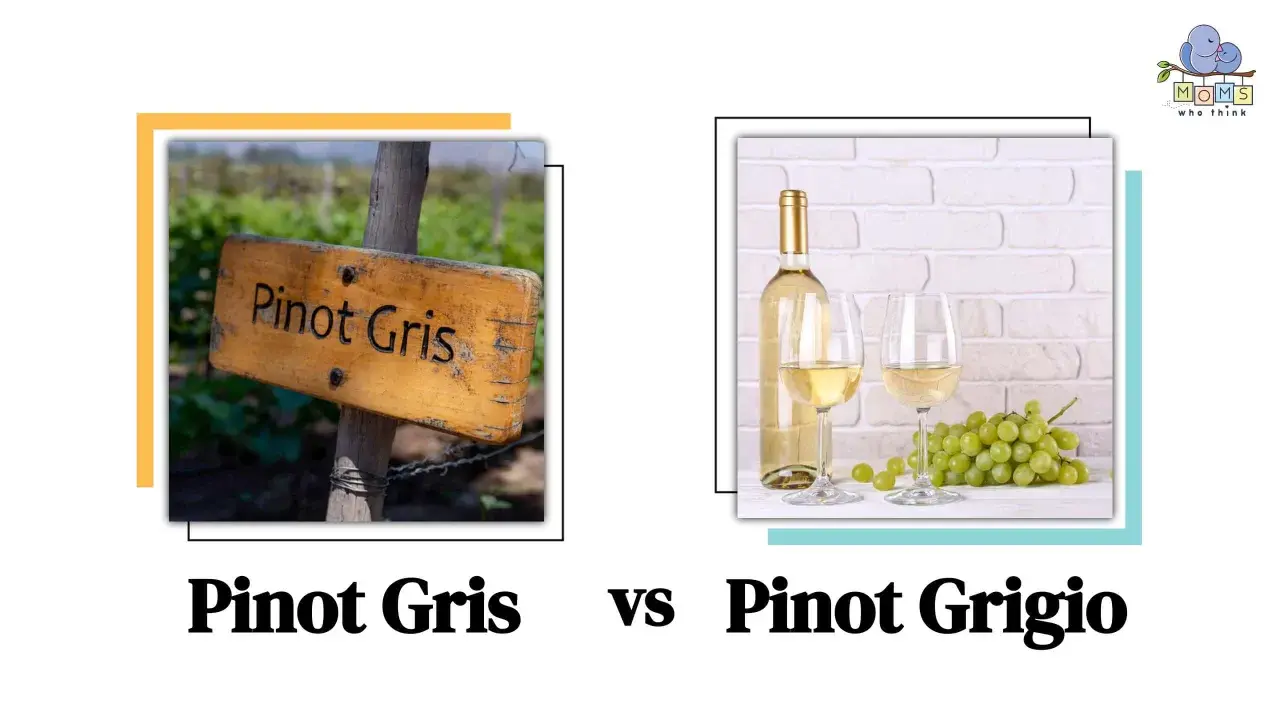
The grape is the same family, but the style often shifts with the name and region. In Italian form, Pinot Grigio is usually lighter, drier, and more direct. Pinot Gris from Alsace or Oregon often shows a riper, more textured profile with stone fruit, spice, and a fuller mouthfeel. That is not a hard rule, but it is a useful shortcut.
| Label cue | Likely style | Best if you want |
|---|---|---|
| Friuli, Alto Adige, Trentino, Veneto | Brisk citrus, green apple, mineral edge | Aperitif wines, seafood, pintxos, lighter starters |
| Pinot Gris from Alsace or Oregon | Pear, peach, spice, fuller texture | Roast chicken, mushroom dishes, richer seafood |
| Lees-aged or textured style | Broader mouthfeel, more depth | Food with a bit more body |
| Very generic fruity white wording | Often softer and less precise | Simple casual drinking, not a tight food pairing |
How to serve it so the flavour stays crisp
Pinot Grigio is easy to ruin by serving it too cold or too warm. I like it around 8-10°C, which is cold enough to keep the acidity lively but not so cold that the fruit disappears. A white-wine glass with a slightly tapered bowl works better than a tiny, narrow glass, because it gives the aromas room to lift.
- If it tastes dull, let it warm for 5-10 minutes in the glass.
- If it tastes broad or tired, chill the next bottle a little more firmly.
- Open the bottle shortly before pouring; this is not a wine that needs long aeration.
- For casual serving, fridge time of roughly 45 minutes is usually enough from room temperature.
The goal is not to make the wine icy. The goal is to keep the fruit sharp, the finish clean, and the texture balanced enough to work with food, which is where the style really earns its keep.

The best dishes to pour it with
This is where Pinot Grigio becomes genuinely useful, especially on a Basque-inspired table. It likes salt, lemon, herbs, olive oil, and delicate seafood more than heavy cream or loud spice. That means it works beautifully with grilled hake, anchovies, salt cod croquettes, clams, prawns, chargrilled peppers, and a simple tortilla española.
- Seafood and shellfish work because the acidity cuts through brine and richness.
- Pintxos with olive oil, herbs, or fresh cheese keep the wine bright next to small, layered bites.
- Grilled fish pairs well because citrus and mineral notes echo the clean flavours on the plate.
- Vegetable dishes such as peppers, asparagus, artichokes, and salads stay fresh rather than heavy.
- Fried food benefits from the crisp finish, which clears the palate after each bite.
I would be more careful with creamy pasta, smoky meats, or very hot chilli. Those dishes can flatten the wine or make it taste thinner than it really is. If you want the pairing to feel effortless, think of anything you would naturally finish with a squeeze of lemon. From there, the buying decision gets much simpler.
The simplest rule I use when choosing a bottle for dinner
My rule is simple: choose the leanest, driest style when the food is salty, delicate, or shellfish-led; choose a rounder Pinot Gris when the dish has a little more weight, cream, or roast character. That one distinction solves most buying mistakes.
| If you want | Look for | Why it works |
|---|---|---|
| A sharp, zesty wine | Italian Pinot Grigio, cooler regions, recent vintage | It keeps citrus and crunch at the front |
| A little more depth | Pinot Gris, lees-aged, warmer site | It brings pear, peach, and a rounder finish |
| Something best with food | Dry style, clean fruit, moderate alcohol | It stays precise instead of feeling soft or sugary |
