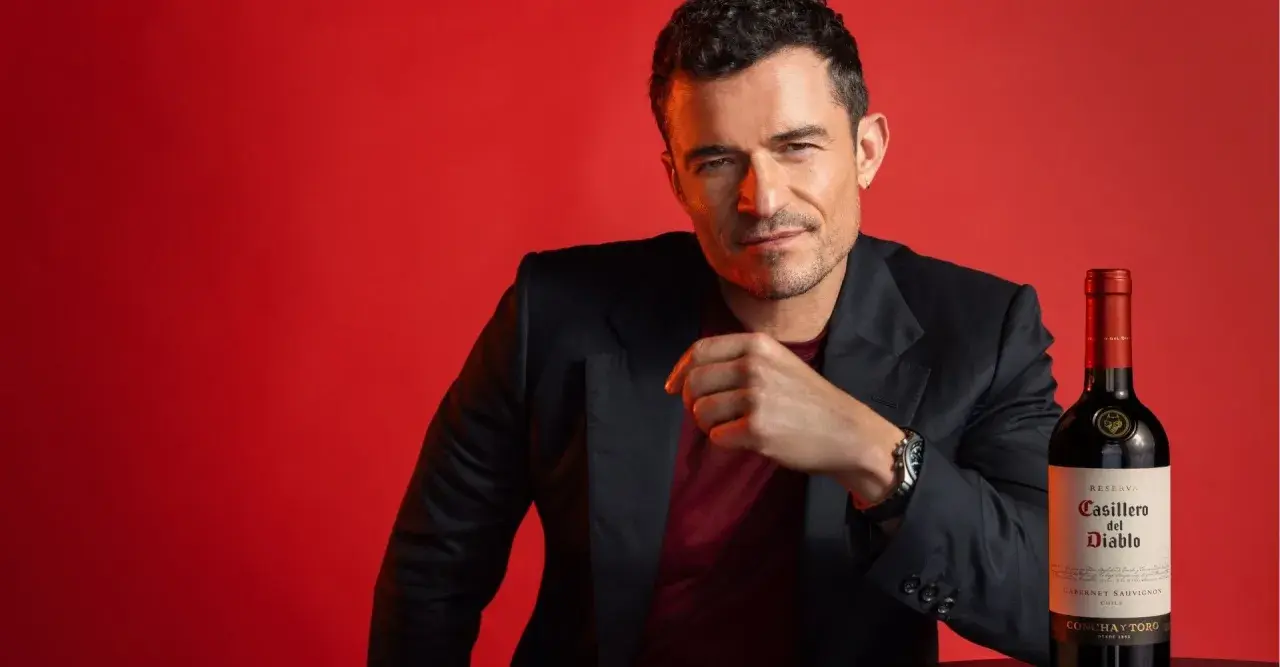
Cabernet Sauvignon is one of those reds that makes sense once you stop looking for simple fruitiness. The Cabernet Sauvignon taste is usually dark-fruited, firm, and layered, with blackcurrant, blackberry, cedar, tobacco, and a mouth-drying structure that needs food or time to relax. In this guide I break down the flavours, explain why they change from bottle to bottle, and show how to serve and pair the wine so it feels generous rather than harsh.
The flavour profile at a glance
- Classic Cabernet Sauvignon leans toward blackcurrant, blackberry, cassis, cedar, tobacco, and graphite.
- Firm tannin is part of the style; it is what gives the wine grip and makes it work with rich food.
- Cooler climates often show more herbal, minty, or green pepper notes; warmer climates taste riper and fuller.
- Oak ageing can add vanilla, spice, cocoa, and pencil-shaving notes.
- The best matches are grilled meat, lamb, hard cheese, mushrooms, and savoury Basque-style dishes with char and fat.
- Serve it slightly cool, usually around 16-18°C, and decant young bottles if they feel tight.
What Cabernet Sauvignon tastes like when it is poured well
I usually read Cabernet Sauvignon in three layers. First comes the fruit: blackcurrant, blackberry, black cherry, sometimes plum. Then comes the savoury side: cedar, cigar box, dried herbs, graphite, and in some wines a hint of tobacco or bay leaf. Finally, there is the structure, and that is what separates Cab from softer reds. The tannins are often firm, the acidity is usually enough to keep the wine fresh, and the finish tends to stay on the palate long after the fruit has gone.
That structure is not a flaw. It is the reason Cabernet can feel so complete with food. A good bottle does not just taste dark and ripe; it also feels dry, focused, and slightly architectural. When the wine is young, the fruit may be more obvious and the tannin more forceful. With age, the fruit usually settles into a deeper, less literal register, while the savoury notes become clearer.
- Fruit gives the wine its first impression, usually black rather than red.
- Savoury notes make it feel more serious: cedar, spice, leaf, leather, graphite.
- Tannin creates grip, which is why the wine can feel drying on its own but balanced with protein.
- Body is generally medium-full to full, so it does not disappear next to bold dishes.
Once you recognise those four pieces, the style stops being mysterious and starts becoming quite readable. The next question is why one bottle can taste polished and ripe while another feels greener and more angular.
Why the style changes so much from one bottle to another
Three forces do most of the work here: climate, oak, and age. The grape is consistent, but the expression is not. That is why one Cabernet can smell like blackberry jam and vanilla while another leans toward blackcurrant, mint, and cedar.
| Factor | What you tend to taste | How it feels in the mouth |
|---|---|---|
| Cooler climate | Blackcurrant, green pepper, mint, herbs, firmer fruit | Leaner, more savoury, more angular |
| Warmer climate | Blackberry, black cherry, plum, cocoa, sweet spice | Riper, rounder, often more generous |
| Oak ageing | Vanilla, toast, cedar, cocoa, tobacco, pencil shavings | Smoother, broader, sometimes more luxurious |
| Bottle age | Dried fruit, leather, forest floor, dried herbs, cigar box | Less fruity, more complex, softer tannin |
Climate changes the fruit profile
In cooler sites, Cabernet ripens more slowly, so the fruit tends to stay sharper and more herbal. That is where the green pepper note comes from, and it is mostly tied to pyrazines, the compounds behind that vegetal edge. Some drinkers dislike that character, but in the right balance it can give the wine lift and precision. In warmer places, ripeness pushes the profile toward black cherry, blackberry, and cassis, with less obvious greenery and more plushness.
Oak adds the secondary flavours people often remember
Cabernet takes well to oak, especially when the wine has enough concentration to carry it. New oak can add vanilla, toast, baking spice, cocoa, and that polished cedar note people often describe as pencil shavings. If the oak is too heavy, though, it can flatten the fruit and make the wine taste more like wood than grape. I pay attention to balance here: the best oak support the wine; it does not take over.
Read Also: Which Red Wine Boosts Metabolism? The Truth & Best Choices
Age softens the edges
With time, Cabernet usually loses some of its blunt fruitiness and gains something more savoury and textural. A mature bottle may smell less like fresh berries and more like leather, dried herbs, tobacco, and old cedar. The tannins also knit together, which is why an older Cabernet can feel smoother even when it still has structure. This is one reason the wine is so respected for ageing: it changes in a believable, interesting way rather than just getting flatter.
Once you know those variables, you can start reading the bottle with more confidence instead of relying on guesswork. The label will not tell you everything, but it does give away more than most people think.
How to read the label when you want the style you like
When I am choosing Cabernet for a meal, I look for clues about origin and style rather than chasing a vague idea of “good Cabernet.” Some regions usually give a more restrained, savoury profile; others are riper and more generous. Neither is automatically better. They simply suit different moods and tables.
| What the label suggests | Likely style | Best for |
|---|---|---|
| Bordeaux or other cooler European styles | Blackcurrant, cedar, graphite, firmer tannin, moderate ripeness | Roast lamb, beef, aged cheeses, savoury dishes |
| Sunny New World regions | Blackberry, plum, cocoa, vanilla, fuller body | Grilled steak, slow-cooked beef, richer sauces |
| Cooler coastal or high-altitude sites | More herbal detail, brighter acidity, tighter structure | Food with char, smoke, herbs, or earthy mushrooms |
| Cabernet-heavy blends | Slightly softer, often more rounded and immediately drinkable | Dining where you want structure without too much austerity |
A practical shortcut helps here: if you want a more savoury, structured bottle for food, I would lean toward a cooler or Bordeaux-influenced style. If you want a rounder, riper glass for a bigger dinner, a sunnier style usually gives more immediate pleasure. For a Basque-style table, I often prefer the savoury end of the spectrum because it sits so naturally beside grilled meat, peppers, and mature cheese.
The bottle is only half the story, though. What you put on the plate can either make Cabernet come alive or make it feel blunt and overpowered.
What to pair with it, from steak to Basque dishes
Cabernet Sauvignon likes protein, fat, char, salt, and umami. That is why it works so well with the cooking style you see in much of the Basque kitchen: grilled meats, smoky peppers, mature cheeses, and dishes that have real savoury depth. I do not reach for it with delicate seafood or very sharp vinegar-led plates. It wants some weight on the plate, otherwise the tannin takes over.
- Txuleta or grilled ribeye - The fat softens the tannin, and the char echoes the wine’s smoky, oaky side.
- Roast lamb or lamb chops - Lamb has enough richness and savoury flavour to meet Cab on equal terms, which is why the pairing feels so natural.
- Aged Idiazabal - The smoke and salt in the cheese work with cedar, spice, and tannin instead of fighting them.
- Beef cheeks or short ribs - Slow cooking brings out sweetness and gelatin, which smooths the wine’s structure.
- Mushroom dishes - Mushroom croquettes, wild mushroom ragout, or sautéed ceps connect beautifully with the wine’s earthy notes.
- Grilled peppers and piperade-style dishes - The sweet, smoky vegetable notes can mirror the herbal edge in the wine, especially when there is a little char.
There is a small trap here: if the dish is too acidic, too spicy, or too light, Cabernet can start tasting harder than it should. A plate of very sharp tomato sauce or a delicate fish dish usually asks for something else. But once the meal has fat and char, the wine suddenly feels more generous and more relaxed.
That is why the serving details matter. A good pairing can still feel wrong if the wine is too warm, too cold, or left too tight in the bottle.
How to serve it so the flavours don’t get flattened
For most bottles, I serve Cabernet Sauvignon at 16-18°C. That range keeps the fruit visible without letting alcohol dominate. If the wine is too warm, it can taste heavy and slightly cooked. If it is too cold, the tannin tightens and the fruit goes quiet.
- Use a large bowl glass so the aromas have room to open up.
- Decant young bottles for 30-60 minutes if the tannins feel sharp or the wine is closed.
- Older bottles usually need less air, often 15-20 minutes, just enough to wake up the aromatics.
- Avoid overchilling; a cold Cabernet can feel stern even when the wine itself is good.
I also think it helps to pour a small taste first and wait a minute. Cabernet often changes in the glass more than people expect. A wine that feels edgy at the first sip can become much more balanced after air and a little warmth. From there, the real choice is deciding when Cabernet is the right tool and when a different red would be easier to live with.
When Cabernet Sauvignon is the right choice and when it is not
Cabernet is the right choice when you want a wine with structure, presence, and enough grip to stand up to a serious meal. It is less convincing when the food is delicate, the evening is informal, or you want something that disappears more easily. I would rather have a slightly simpler Cabernet with the right dish than a very expensive one in the wrong setting.
| If you want... | Cabernet Sauvignon | A different red may suit better |
|---|---|---|
| More grip and structure | Excellent choice | Merlot may feel too soft |
| A lighter, silkier red | Can feel too firm | Pinot Noir is often easier |
| Riper fruit and less tannin | Depends on the style | Malbec can feel rounder |
| A wine for grilled beef, lamb, or aged cheese | Very strong fit | Other reds can work, but often with less precision |
There are also a few situations where Cabernet is easy to misjudge. A poor bottle served too warm can taste alcoholic and rough. A very heavily oaked bottle with little fruit can feel one-dimensional. And a young, tannic Cabernet poured next to a light dish can seem harsher than it really is. In other words, the wine is not just about flavour; it is about context.
Those clues are what I use to turn a broad category into a bottle that actually fits the meal.
The clearest clues I look for before opening the bottle
If you want a quick decision rule, I keep it simple. I look for fruit, savoury detail, and tannin in balance. When those three are present, Cabernet usually has the shape and complexity people hope for.
- If you smell blackcurrant, cedar, and graphite, you are probably in classic Cabernet territory.
- If you get green pepper, mint, or herbs, the wine is likely from a cooler site or a less ripe vintage.
- If you notice vanilla, cocoa, toast, or sweet spice, oak is clearly part of the picture.
- If the finish feels dry but persistent, the wine has the structure Cabernet is known for.
- If the fruit tastes jammy but the tannin is very soft, you are probably in a riper, easier-drinking style.
For a Basque-style meal, I usually want the middle ground: enough ripeness to feel inviting, enough savoury character to match grilled meat or mature cheese, and enough tannin to give the glass shape. That balance is what makes Cabernet Sauvignon so useful at the table, and it is also why its best bottles feel both powerful and surprisingly precise.
