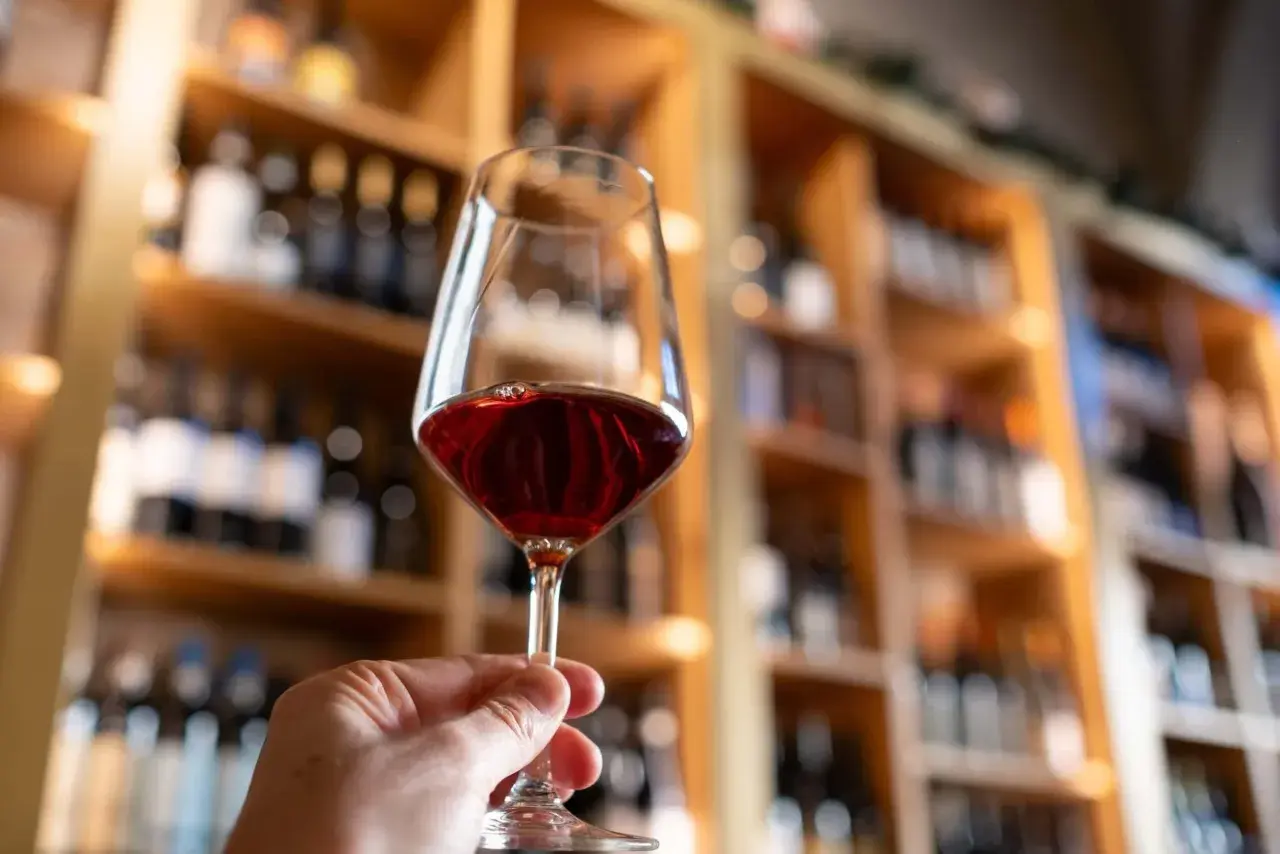
Red wine gets a lot of credit for health benefits it cannot honestly deliver. The practical question is not whether wine is magical, but whether any style gives you a tiny nutritional edge without undoing it with alcohol and calories. There is a simple answer to which red wine boosts metabolism: none of them does it in a meaningful, reliable way, but some dry styles are a better fit if you are trying to keep the metabolic impact smaller.
The short version is that dryness, not grape glamour, matters most
- No red wine meaningfully speeds up resting metabolic rate in a way that helps weight loss.
- Dry reds with more skin contact tend to carry more polyphenols, but the effect is modest.
- Pinot Noir, Cabernet Sauvignon, Tempranillo, Syrah, and Merlot are the usual names to compare.
- In the UK, keeping the pour at 125ml is more useful than chasing a “best” bottle.
- If the goal is metabolic support, alcohol-free red wine is closer to the right answer than any alcoholic bottle.
The simple answer is less flattering than the marketing
When I strip away the romance, I do not see a red wine that truly boosts metabolism in the way most people hope. The body treats alcohol as a priority fuel, so it burns ethanol before it gets around to fat, and that is one reason wine is not a real shortcut for weight control.
There is a small thermic effect, the energy cost of processing a food or drink, but that is not the same thing as a useful metabolic upgrade. In plain English, the liver is busy clearing alcohol, and the result is not the kind of clean calorie burn people imagine when they talk about red wine and metabolism.
That is why I think the better question is not “which wine burns more fat?” but “which wine creates the least damage if I still want a glass with dinner?” That shift in framing matters, because it leads us from myth to selection, and selection is where the real practical advice lives.
The red styles that come closest on paper
If I had to narrow the field, I would look first at dry reds with good phenolic structure, not sweet or fortified styles. Polyphenols are the plant compounds people usually mean when they talk about red wine’s “healthy” side, and red wines generally have more of them because the juice stays in contact with grape skins during fermentation.
| Wine style | Why it comes up | What matters in practice |
|---|---|---|
| Pinot Noir | Often discussed for relatively high resveratrol and a lighter body | Can be a gentler pour, but it is still wine, not a metabolism hack |
| Cabernet Sauvignon | Frequently tannic and phenolic, with strong structure | Solid choice with food, yet ABV can be high and calories add up quickly |
| Tempranillo | Balanced, savoury, and common on northern Spanish tables | One of the most practical options if you want a dry, food-friendly red |
| Syrah/Shiraz | Deep colour and plenty of phenolic character | Good if you like power, but not automatically lighter in alcohol |
| Merlot | Softer and easier-drinking | Fine with dinner, but not the style I would chase for a metabolic angle |
The point of this table is not to crown a winner; it is to show the style differences that matter more than marketing labels. Terroir, the mix of soil, climate, and vineyard site, often changes the polyphenol profile more than the grape name itself, which is one reason rigid “best wine” claims usually fall apart.
That still leaves the bigger issue: even the best-looking red does not translate into a meaningful human metabolic effect.
Why the evidence stays weak in real life
The red-wine story usually leans on resveratrol, but that compound has two problems: the amount in a normal glass is small, and the body processes it quickly. Bioavailability, simply put, is how much of a compound reaches the bloodstream in a usable form, and resveratrol’s is low enough that normal drinking does not resemble a supplement trial.
Another complication is that wine is not resveratrol in isolation. Alcohol, sugar, serving size, meal context, and grape variety all pull in different directions. A bottle with more phenolics may still be a poor choice if it also has a higher ABV or if you pour it generously enough to wipe out any theoretical advantage.
Even the supplement literature does not rescue the idea cleanly. Resveratrol trials can show modest effects in some settings, but that is not the same as saying a few glasses of red wine will alter metabolism enough to matter in daily life. That gap between lab data, supplements, and a real dinner table is where a lot of wine headlines fall apart.
Once you accept that gap, the useful advice becomes much more specific: choose a dry bottle, keep the alcohol lower where possible, and pay attention to how much ends up in the glass.
How to choose the least disruptive glass in the UK
For UK readers, I would anchor the decision in units first and flavour second. The NHS guidance is straightforward: men and women should not regularly drink more than 14 units a week, and if you do drink that much, it is better to spread it across three or more days.
That matters because wine servings creep up fast. A 125ml glass at 12% ABV is about 1.5 units, a 175ml glass at 13% ABV is about 2.3 units, and a 250ml pour at 13% ABV jumps to 3.25 units. The bottle may look the same on the table, but the metabolic impact is not even close.
- Choose dry rather than off-dry or sweet reds.
- Keep an eye on ABV; 12% to 13.5% is usually easier to manage than 14.5% and above.
- Prefer a 125ml pour if the goal is moderation, not a large restaurant glass.
- Drink it with food, not as a stand-alone habit.
- Skip fortified reds when you are thinking about metabolic impact; they concentrate alcohol and sugar in the wrong direction.
The real trick is that a smaller, drier glass gives you most of the ritual and less of the penalty. From here, the next question is how to fit that into an actual meal rather than treating wine like a laboratory variable.
A Basque-friendly way to drink wine without chasing a miracle
Basque dining is at its best when wine works with the food rather than trying to justify itself. That is one reason I like the idea of a restrained, dry red alongside grilled lamb, mushroom pintxos, baked peppers, or slow-cooked beans: the pairing feels natural, and the food keeps the glass in perspective.
If I were building a table around this topic, I would think in terms of balance. Rich dishes such as txuleta, chorizo-based stews, or roasted vegetables with olive oil can make a modest glass feel more satisfying, which often helps people stop at one. That does not cancel out wine calories, but it can keep drinking slower and more deliberate.
I would also avoid the common mistake of pairing a heavy, high-alcohol red with an already rich meal and then assuming the wine is somehow lighter because it is red. In practice, that combination is often the exact opposite of what someone wants if they are trying to keep weight and energy intake under control.
This is where a northern Spanish table makes sense: small pours, slow conversation, and food doing most of the work. Once the meal is framed that way, the focus shifts away from magic-bullet claims and toward the better question of what actually supports the outcome you want.
What matters more than the grape name
If your real goal is metabolic support, I would put grape variety lower on the list than alcohol level, sweetness, serving size, and frequency. Those are the variables that change the outcome in a way you can actually feel the next day and see over time.
For pure practicality, alcohol-free red wine is the closest thing to a sensible answer. You keep the berry, spice, and food-friendly character without the ethanol load that pushes against metabolism. If you still want alcohol, then a dry, moderately strong red in a 125ml glass is the least bad version of the idea.
My honest view is simple: do not pick a red wine because you think it will speed up fat loss. Pick it because it suits the food, then keep the pour disciplined. That approach is far more realistic, and in most cases it is also the one that fits better with a Basque-style meal at the table.
