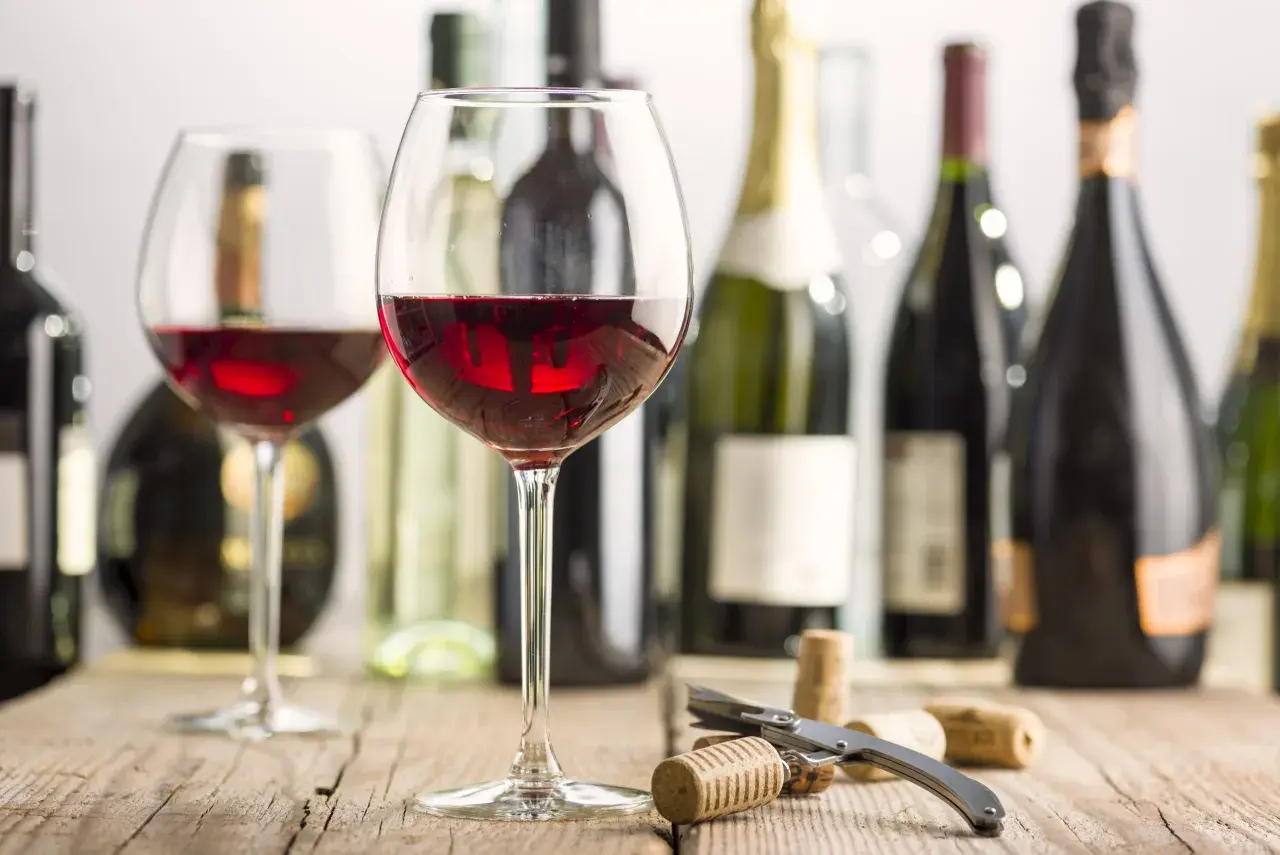
Mencía is one of those reds that makes sense as soon as it hits the glass: bright cherry and raspberry fruit, a floral lift that often reads like violet or rose petals, and a mineral edge that can feel almost slate-like. In the right bottle, it is fresh rather than heavy, with enough tannin to stand up to food but not so much that it smothers the plate. I am focusing here on what it tastes like, why the flavour shifts from bottle to bottle, and how to pair it with the kind of dishes that matter to a UK reader, from Basque pintxos to grilled lamb and mushrooms.
Mencía is at its best when fruit, freshness and savoury grip stay in balance
- Expect red-fruit driven flavours first: cherry, raspberry, red currant and sometimes plum.
- Look for violet, herbs, black pepper and mineral notes when the wine is well made.
- Most styles sit in the medium body, medium acidity, medium tannin zone, which makes the grape very food-friendly.
- Cool sites and slate or granite soils usually give the sharpest, most precise profile.
- Oak, bottle age and warmer vineyards push the wine toward spice, smoke, leather and darker fruit.
- For food, Mencía is at its best with cured meats, lamb, mushrooms, roast vegetables and aged cheese.
What Mencía tastes like in the glass
When I taste Mencía at its best, the first impression is rarely power. It is usually brightness: sour cherry, raspberry, red plum, sometimes pomegranate, with a floral edge that can lean toward violet or rose petals. The texture matters as much as the aroma. Most bottles land around medium body, with lively acidity and tannins that feel firm but fine rather than rough.
That structure is the reason the wine stays nimble at the table. A young bottle can feel juicy, lifted and almost crunchy in the fruit, while a better site-grown example adds crushed stone, graphite, black pepper and a savoury line that keeps the finish from turning sweet. I would describe the grape as elegant before I would describe it as muscular, which is why it often suits diners who want something more characterful than Pinot Noir but less blunt than many southern Spanish reds.
If you like Pinot Noir but want a little more pepper and mineral tension, Mencía sits in that neighbourhood. What you should not expect is a heavy black-fruit bomb. If a Mencía tastes jammy, syrupy or over-oaked, that is usually a winemaking choice or an overly warm site speaking louder than the grape itself. The cleanest versions keep fruit, freshness and a mineral thread in balance, and that balance is what makes the variety so dependable with food. Once you know that core profile, it becomes much easier to understand why the same grape can taste quite different from one bottle to the next.
Why Mencía can taste fresh, savoury or almost smoky
Mencía is highly sensitive to where and how it is grown. In cool, high-altitude sites, the wine keeps more acidity and more floral lift, so the fruit stays red and bright. In slightly warmer pockets or in riper vintages, the profile deepens into black cherry, plum and a little more weight on the palate. So when people talk about the grape as if it has one fixed taste, they are usually flattening a much more interesting story. In Portugal, you may also see the same grape listed as Jaen, which is useful if you shop across Iberian styles.
The soil matters too. Slate and granite often push the wine toward a stony, dry, almost saline sensation that reads as minerality. That term can be misused, so I use it carefully: it does not mean the wine literally tastes like rocks. It means the finish feels taut, savoury and precise, with a texture that makes the fruit seem cleaner and less padded. Oak ageing can add smoke, cedar, vanilla and sweet spice, but good producers use it as a frame, not a mask.
| Style | What it usually tastes like | Best use |
|---|---|---|
| Young, unoaked Mencía | Red cherry, raspberry, violet, pepper, crisp acidity | Starters, pintxos, grilled vegetables, salty bites |
| Oak-aged Mencía | Plum, smoke, cedar, dried herbs, firmer structure | Lamb, pork, mushrooms, richer stews |
| Older bottle | Leather, forest floor, tobacco, dried cherry, gamey nuance | Game, aged cheese, slow-cooked dishes |
In practical terms, Bierzo often gives me the deepest, most complete version of the grape, while Ribeira Sacra frequently feels lighter, sharper and more vertical. That is useful to know because it prevents a bad purchase: if you want something brisk and appetiser-friendly, pick the fresher style; if you want something for roast meats or a winter dish, choose the more structured one. As a rough rule, most everyday Mencía is built for drinking within 2-3 years, while better old-vine bottles can stay interesting for 5-10 years or more. That is another reason style matters: a wine meant for quick drinking should be judged on freshness and clarity, whereas an age-worthy bottle should be judged on length, shape and how gracefully the savoury notes develop. From there, the next question is not only what Mencía tastes like, but how to recognise a bottle that is well made rather than merely fruity.
How to recognise a well-made bottle
A good Mencía should feel alive. The fruit is clear, the acidity keeps your mouth watering, and the finish moves into herbs, spice or stone rather than disappearing after a burst of cherry. If the wine smells attractive but tastes thin, sweet and short, it probably lacks the tension that gives the grape its best character. If it is overly extracted, you will feel dull fruit, dry tannin and oak that sits on top instead of integrating.
- Fruit clarity - look for fresh cherry, raspberry or plum rather than confected jam.
- Aromatic lift - violet, rose, thyme or black pepper usually signal a more expressive bottle.
- Structural balance - acidity should brighten the wine, not turn it sharp or sour.
- Finish - the best bottles leave a savoury, mineral impression instead of a simple sweet-fruit fade.
Label clues help, but only if you read them with the style in mind. Terms such as old vines, single parcel, slate, granite or barrel ageing usually point to more concentration or more savoury complexity, though they are not guarantees of quality. I would rather buy from a producer with a strong reputation for restraint than from one that promises intensity at any cost. That reading of the bottle matters even more when you are pairing it with food, because Mencía changes character quickly once it meets salt, fat and smoke.
Which dishes bring out the best in Mencía
Mencía is one of the easiest reds to pair with food because its acidity and moderate tannin give it enough grip without overwhelming the plate. For a Basque menu, I like it with grilled txistorra, mushroom croquettes, roasted piquillo peppers, slow-cooked pork cheek and plates of jamón or cecina. The wine’s red fruit keeps the food feeling fresh, while the herbal and peppery notes echo the savoury parts of the dish.
It also works better with fish than many red wines do, but I would still be selective. Lighter, younger bottles can handle tuna, oily sardines or a rich octopus dish, especially when there is paprika, garlic or a smoky element in the sauce. With a very light, fresh style, even bacalao al pil-pil can work, although I still think the match is more convincing when the dish has some oil, salt or char. Delicate white fish is usually a stretch. If the dish is very mild, the wine can take over; if the dish is salty, smoky or roasted, the match becomes much more convincing.
| Dish | Why it works | Best Mencía style |
|---|---|---|
| Grilled lamb chops | Acidity cuts the fat and the herbal spice mirrors the char | Medium-bodied, lightly oaked |
| Mushroom pintxos | Earthy flavours line up with the wine’s savoury edge | Young or medium-structured |
| Cured meats and charcuterie | Salt and smoke make the fruit taste cleaner and brighter | Fresh, unoaked |
| Idiazabal or other aged sheep's cheese | Firm tannin and salinity work with concentrated dairy flavours | Older, more structured |
| Roast pork or pork cheek | Juicy fruit and fine tannin keep richer meat from feeling heavy | Oak-aged or from warmer sites |
For a UK table, I would translate the same logic to roast lamb, venison, mushroom pie, mature cheddar and anything with cured or smoked notes. That kind of food does the grape a favour, because Mencía rarely needs a sweet sauce or heavy spice cover to shine. The practical question then becomes how to serve it so the wine shows that balance rather than losing it in the glass.
How I would serve and buy it in the UK
I serve young Mencía slightly cooler than many people expect, around 14-15 C, so the fruit stays crisp and the alcohol does not feel pushy. More structured or oak-aged bottles do better a touch warmer, around 15-16 C, and a short decant of 20-30 minutes can help if the wine is tightly wound or shows a little reduction on opening. If a bottle is very fresh and aromatic, I would skip the long decant and pour it straight to the table.
When buying in the UK, I look first at style rather than at price alone. A younger, simpler bottle should be transparent and juicy; a more ambitious one should add texture, mineral tension and a longer finish, not just more oak flavour. If the label mentions Bierzo, Valdeorras or Ribeira Sacra, I know roughly which direction the wine is likely to go: Bierzo often brings more depth, Ribeira Sacra often feels leaner and more lifted, and Valdeorras can be especially fragrant. That gives you a better starting point than a vague promise of intensity.
If you enjoy aromatic reds with some lift, Mencía is often a safer buy than a broad, heavy style because it gives you flavour without demanding a winter stew every time. That makes it unusually flexible for UK kitchens, where one night might mean a plate of pintxos and the next a roast joint or a mushroom dish.
The simplest way to choose the right Mencía style
- Pick fresh and unoaked if you want bright cherry fruit, violet notes and easy drinking.
- Pick lightly oaked if your meal has smoke, char, lamb or mushrooms.
- Pick older or single-parcel wines if you want leather, forest floor and more savoury depth.
- Be cautious with bottles that smell very ripe but finish flat; that usually means the balance is off.
- For the most convincing expression, look for cool-climate sites, old vines and producers who keep oak in check.
That is the version of Mencía I trust most: bright, savoury, floral and mineral, with enough structure to support food without losing freshness. If you remember those four traits, you will have a much easier time choosing the right bottle and pairing it with a dish that lets the wine show what it can actually do.
