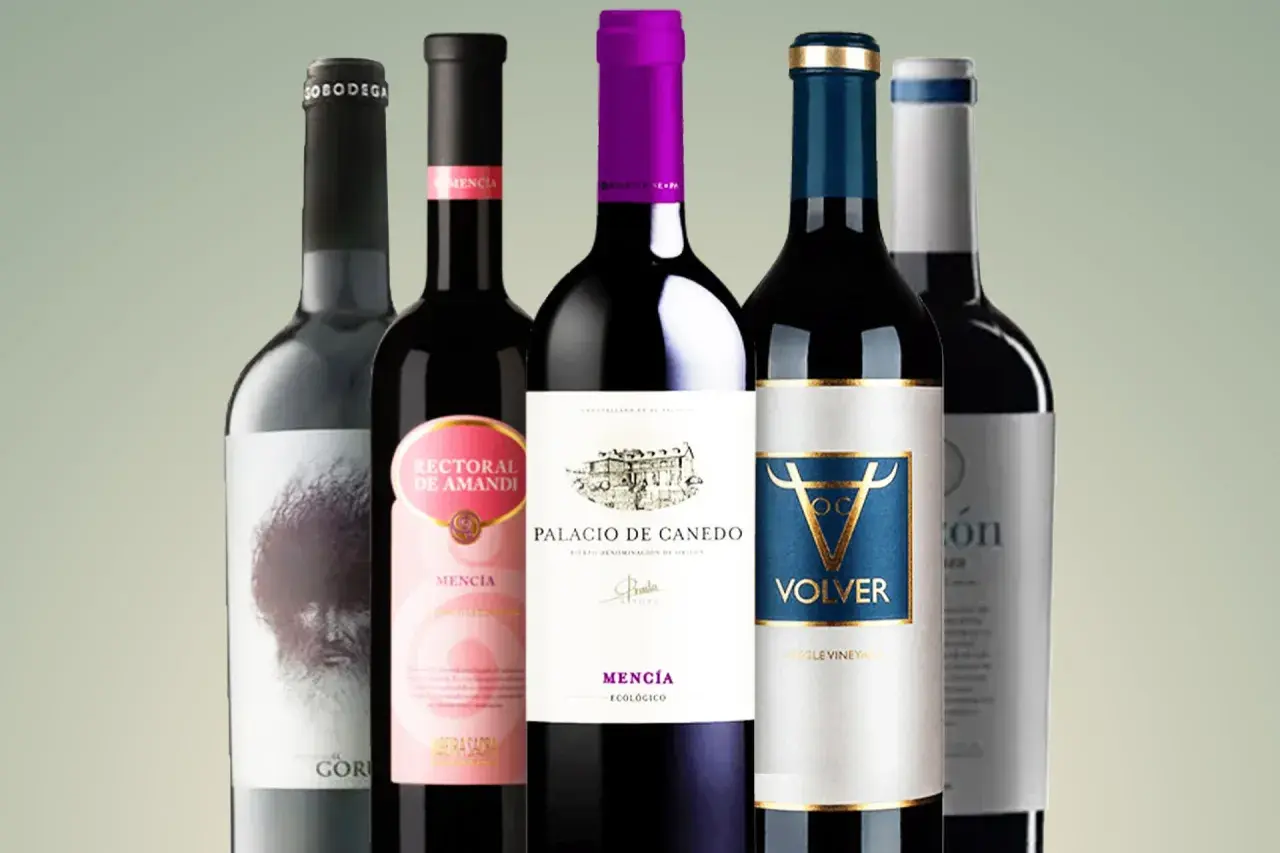
Spanish red wines are one of the easiest ways to get depth, freshness, and food value in the same bottle. The category runs from juicy, easy-drinking reds for pintxos to serious, cellar-worthy bottles built for roast lamb, beef, and slow-cooked dishes. In this guide I’ll focus on the styles that matter most, how to read the labels, what to pair them with, and what I would actually buy in the UK.
What matters most when choosing a bottle
- Tempranillo is the backbone of many classic reds, but Garnacha, Monastrell, and Mencía deserve attention too.
- Rioja is the easiest region to learn because its ageing terms are clear and useful.
- For Basque food, I prefer fresher reds with pintxos and fuller, more structured bottles with txuleta or lamb.
- In the UK, the best everyday value usually sits around £10-£15, while more serious bottles often start around £15-£25.
- Slightly cooler serving temperatures make these wines taste cleaner and more balanced.
The regions and grapes that define the style
I usually start with geography, because Spanish reds make a lot more sense once you see how different the country’s wine regions can be. A polished Rioja, a muscular Ribera del Duero, and a mineral Priorat may all be red wines from Spain, but they do not taste alike, and that is exactly the point.
The most useful grapes to know are Tempranillo, Garnacha, Monastrell, and Mencía. Tempranillo gives structure and a savoury edge; Garnacha brings juicier fruit and warmth; Monastrell is darker and more robust; Mencía often feels brighter, more floral, and a little more lifted.
| Region | Main grapes | Style | Best for |
|---|---|---|---|
| Rioja | Tempranillo, Garnacha, Graciano, Mazuelo | Balanced, polished, often gently oaked | All-round food wine, roast lamb, mushrooms, hard cheese |
| Ribera del Duero | Tempranillo, known locally as Tinto Fino or Tinta del País | Darker fruit, firmer tannin, more power | Grilled meats, beef, rich stews |
| Priorat | Garnacha, Cariñena | Concentrated, mineral, intense | Slow-cooked dishes, special occasions |
| Toro | Tinta de Toro, a local Tempranillo clone | Muscular, ripe, structured | Charred meats, chorizo, game |
| Bierzo and Ribeira Sacra | Mencía | More aromatic, fresher, lighter on its feet | Charcuterie, mushrooms, lighter dishes |
The practical takeaway is simple: Spain offers both breadth and contrast. If you want a safe starting point, Rioja is the easiest entry. If you want more grip and density, Ribera del Duero usually delivers. If you want something more supple and aromatic, Garnacha or Mencía can be more rewarding than a heavily oaked bottle. That is where label reading becomes useful, which is the next thing I would look at.
How to read the ageing terms without guessing
The ageing terms on Spanish labels matter because they tell you more than the marketing copy does. Rioja is the clearest reference point, and I think it is the best place to learn the system before moving on to other regions. The short version is that the ageing terms are not just decorative; they shape texture, aroma, and how the wine will behave at the table.
| Term | What it usually means | How it tends to taste |
|---|---|---|
| Joven | Young wine with little or no barrel ageing | Bright fruit, lively acidity, less oak influence |
| Crianza | In Rioja, at least 2 years total ageing, with at least 1 year in oak for reds | Fruit plus spice, more balance, easier to match with food |
| Reserva | In Rioja, at least 3 years total, with at least 1 year in oak and 6 months in bottle | More layered, more savoury, often better structure |
| Gran Reserva | In Rioja, at least 5 years total, including 2 years in oak and 2 years in bottle | More evolved aromas, softer edges, longer finish |
I would not treat ageing as a straight line from “cheap” to “better”. A Crianza can be more useful at dinner than a much older bottle if it has fresher fruit and cleaner acidity. In practice, barrel ageing gives you secondary aromas such as vanilla, cedar, spice, and toast, while bottle ageing adds tertiary notes, which are the more developed smells of leather, tobacco, dried fruit, and earth.
That matters because the food decides the style. A younger wine can feel more vibrant with salty pintxos, while a Reserva or Gran Reserva can sit better beside roast meat or an aged cheese. Once you know that, pairing becomes much easier.
Which bottles I reach for with Basque food
Basque cuisine is generous but precise, and I think it asks the same thing from wine: enough character to stand up to salt, smoke, and char, but enough freshness to avoid weighing the meal down. That is why I rarely choose an aggressively oaked red for Basque food unless the dish is clearly rich enough to need it.
| Dish | Style to choose | Why it works |
|---|---|---|
| Pintxos with chorizo, mushrooms, or grilled peppers | Joven Rioja, fresh Garnacha, light Mencía | They keep the meal bright and do not overpower small bites |
| Txuleta or other grilled beef | Ribera del Duero Reserva, Toro, structured Rioja | The tannin, the dry grip from skins and oak, matches the meat’s fat and char |
| Idiazabal cheese and cured meats | Rioja Crianza or Reserva | Savoury notes and moderate oak meet the smoke and salt cleanly |
| Lamb, roast pork, or rich stews | Reserva, old-vine Garnacha, Monastrell | These wines have enough body for slow-cooked flavours |
| Bacalao al pil-pil or fish with a rich sauce | Light red only, preferably low-oak Garnacha or Mencía | Too much oak can make the wine taste harder and the dish feel metallic |
I usually serve most of these reds slightly cooler than room temperature, around 15-17°C. Fuller styles can handle the upper end of that range, while lighter bottles often taste better a touch cooler. If you pour a warm red into a rich meal, the alcohol can jump out and flatten the food. A few degrees cooler makes the whole table feel sharper.
For a Basque-style dinner, my personal default is still a good Rioja Crianza or a refined Garnacha. It is flexible enough for starters, but not so light that it disappears once the main course arrives. From there, the question becomes what kind of value you can expect in the UK market.
What I would spend in the UK
In 2026, I still see a very clear value ladder in the UK. The category is broad enough that you do not need to spend much to drink well, but you do need to be selective once you move below the middle shelf. The price jump from “acceptable” to “reliably good” is often smaller than people expect.
| Price band | What to expect | My view |
|---|---|---|
| Under £10 | Simple young reds, easy fruit, occasional bargains | Fine for casual drinking, but quality varies a lot |
| £10-£15 | Very good everyday bottles, especially Crianza and fresh Garnacha | This is the sweet spot for most buyers |
| £15-£25 | Better Reserva, more site-driven wines, stronger producers | Usually the best balance of depth and value |
| £25-£40 | Top Rioja, serious Ribera del Duero, better Priorat | Worth it when the producer is strong and the meal justifies it |
| £40+ | Collector bottles, exceptional vintages, or prestige cuvées | Buy for occasion or curiosity, not because price alone guarantees quality |
If I want a reliable weeknight bottle, I tend to start around the £11-£15 mark. That is usually where I find enough fruit, enough structure, and enough polish to make the wine feel deliberate rather than merely cheap. A bottle that is heavily oaked to disguise weak fruit is the trap I try to avoid most often.
One useful rule: spend more on the producer before you spend more on the label term. A respected winery making a clean Crianza will usually give you more pleasure than an anonymous Reserva that has spent time in oak but lost its freshness. The next section turns that into a simple buying habit.
The buying rule I use when I want a reliable bottle
When I am standing in front of a shelf, I do not start with the fanciest term on the label. I start with the meal, then the region, then the grape, and only after that do I care about ageing. That order saves money and avoids mismatches.
- If the meal is grilled, fatty, or charred, I look for more structure and a little more oak.
- If the dish is herb-led, mushroom-heavy, or salt-forward, I lean toward fresher fruit and cleaner acidity.
- If I want the safest all-round bottle, I choose Rioja Crianza first.
- If I want more muscle, I move to Ribera del Duero or Toro.
- If I want a wine with lift and fragrance, I go for Garnacha or Mencía.
That simple approach usually gets me closer to the right bottle than chasing a famous name alone. For Basque cooking in particular, the best reds are the ones that respect the food rather than fight it, and that is where this category is at its strongest.
