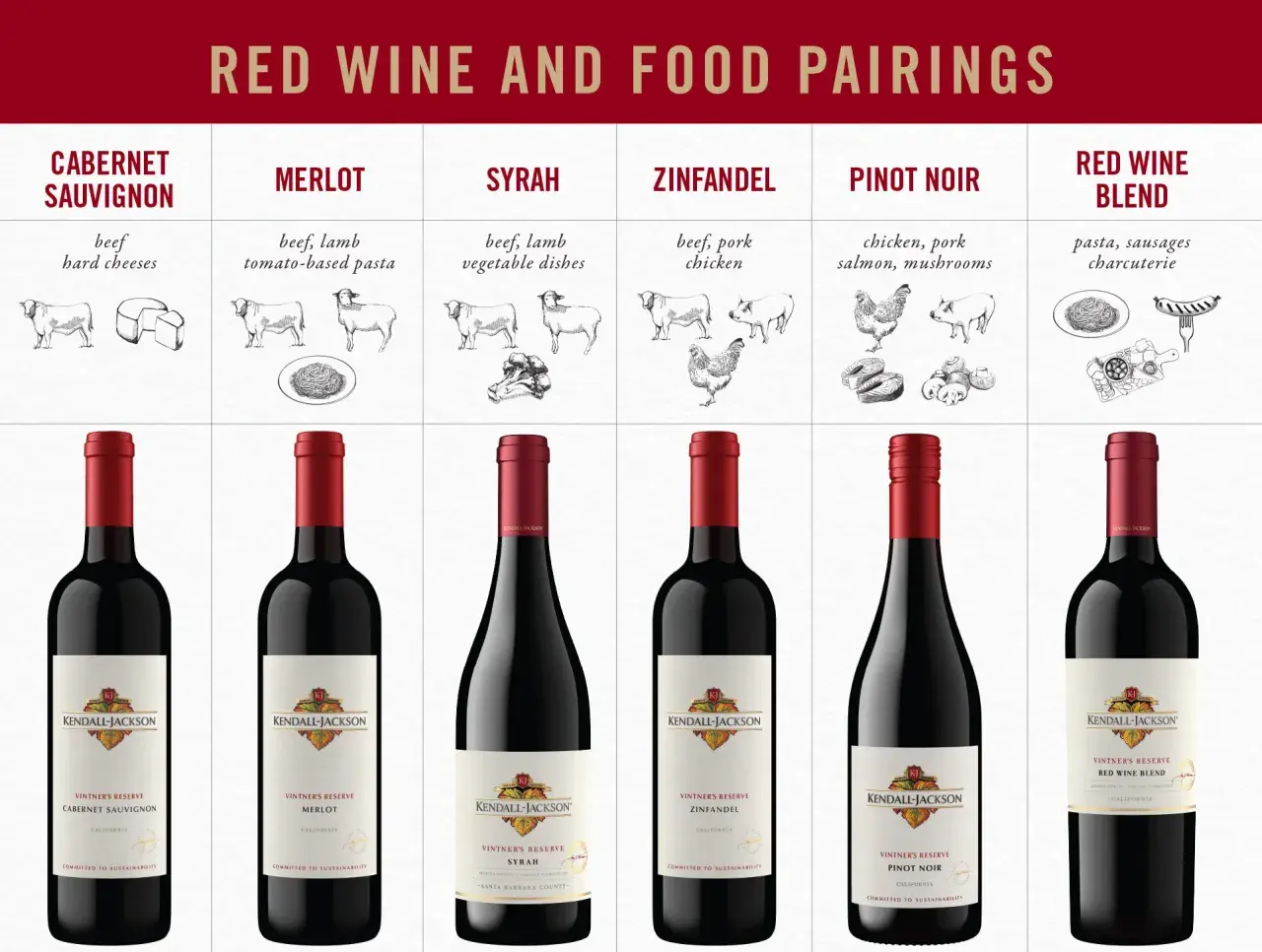
The merlot vs cabernet debate is really a choice between two different moods at the table. Merlot usually gives softer tannins, rounder fruit, and an easier first sip; Cabernet Sauvignon leans firmer, darker, and more structured, which is why it shines with richer food. In this article I break down how they taste, how they behave with dinner, and how I would choose between them for everything from a casual roast to a Basque-style grilled meal.
The real difference is structure, not just flavour
- Merlot usually feels smoother, fruitier, and more forgiving on its own.
- Cabernet Sauvignon brings firmer tannins, darker fruit, and more grip.
- Neither wine is technically sweeter; Merlot only reads that way more often.
- Food matters as much as the grape, especially with grilled meat and cheese.
- Basque-style dishes with smoke, salt, and char often favour Cabernet, while softer savoury plates often suit Merlot.
The quickest way to tell them apart
If I had to reduce the comparison to one sentence, I would say this: Merlot is rounder, Cabernet Sauvignon is firmer. That difference shows up in texture before it shows up in aroma, which is why the choice often feels obvious as soon as you taste both side by side.
| Feature | Merlot | Cabernet Sauvignon |
|---|---|---|
| First impression | Soft, round, immediately fruit-driven | Firmer, darker, more linear |
| Typical aromas | Plum, black cherry, cocoa, red berries | Blackcurrant, blackberry, cedar, tobacco, herbs |
| Tannin | Medium, usually smoother | Medium-high to high, more gripping |
| Body | Medium to medium-full | Medium-full to full |
| Acidity | Medium | Medium to medium-high |
| Best with | Roast poultry, mushrooms, charcuterie, softer cheeses | Steak, lamb, mature cheese, chargrilled dishes |
| Serve at | 16-18°C | 17-18°C |
| Young bottle decant | 15-30 minutes | 30-60 minutes |
As a rule of thumb, I serve both slightly cooler than room temperature. That small drop keeps the alcohol in check and makes the structure easier to read, especially when the wine is heading towards the dinner table rather than the tasting bench. That texture gap is what matters most once food enters the picture.
Why the texture feels so different
The main reason is tannin. Cabernet Sauvignon usually has more of it, and those tannins feel like a firmer edge across the palate. Merlot still has structure, but the edges are softer, so the wine comes across as polished rather than forceful.
Climate matters too. In warmer regions both grapes can taste riper and more generous, while cooler sites push Cabernet towards herbal, savoury notes and Merlot towards a more restrained, sometimes almost earthy profile. That is why a Bordeaux Merlot can feel much less obvious than a ripe Chilean or Australian one.
Oak can blur the picture as well. New oak adds vanilla, toast, smoke, and spice to both wines, and too much of it can make the bottle feel heavier than the grape itself would suggest. Merlot is not technically sweeter than Cabernet Sauvignon; it just often tastes sweeter because the fruit reads more immediately and the tannin gets out of the way faster. Once you see that, the food match becomes much easier to read.

Which one works better with food
This is where the decision gets practical. Cabernet Sauvignon has the muscle for char, fat, and protein, so it tends to work best with grilled beef, lamb, mature cheese, and dishes with peppery sauces. Merlot is more flexible: it can still handle meat, but it usually plays better with roast chicken, duck, mushrooms, tomato-based dishes, and anything where you want the wine to support the plate rather than dominate it.
| Dish style | Better fit | Why it works |
|---|---|---|
| Txuleta or ribeye with a proper char | Cabernet Sauvignon | The tannin cuts through fat and stands up to smoke. |
| Grilled lamb chops with herbs | Either, with Cabernet for heavier seasoning | Cabernet handles deeper char; Merlot keeps the herbs softer. |
| Mushroom pintxos or sautéed wild mushrooms | Merlot | Earthy food and softer tannins feel naturally aligned. |
| Roast chicken with garlic and rosemary | Merlot | It stays supple and does not drown out the seasoning. |
| Aged Idiazabal or other sheep's cheese | Either, with Cabernet for firmer cheese | The salt and nutty depth need structure, but not always maximum weight. |
| Tomato-braised pork or chorizo | Merlot | Fruit and spice stay balanced without adding extra bitterness. |
For Basque-style cooking, I reach for Cabernet when the food is grilled, smoky, and heavily seasoned, and I reach for Merlot when the meal is savoury but less aggressive. The mistake I see most often is pairing a very extracted Cabernet with a lighter pintxos spread; the wine ends up talking over the food instead of with it. From there, it helps to look at where the bottle comes from, because region can bend the style a lot.
How region and vintage change the answer
One reason this comparison never feels perfectly tidy is that the same grape can behave very differently depending on where it was grown. In Bordeaux, Merlot is often the softer, earlier-ripening partner in blends, while Cabernet Sauvignon brings backbone and age-worthiness. On the Right Bank, Merlot usually has the louder voice; on the Left Bank, Cabernet Sauvignon often does.
New World regions tend to push ripeness further. A warm-climate Merlot can taste generous and velvety, while a cool-climate Cabernet can stay leaner and more herbal. That is not a flaw, but it does mean you should read the bottle for region and style instead of assuming the grape name tells the whole story.
Blends muddy the waters in a useful way. Cabernet Sauvignon is often mixed with Merlot and Cabernet Franc, and those partners can soften the tannins or add brightness, so a bottle that says Bordeaux blend may split the difference more gracefully than either grape on its own. I pay more attention to the producer's style than the marketing on the front label. With that context, the buying decision becomes much simpler in the shop.How I would choose in a UK shop
When I am standing in front of the shelf and do not want to overthink it, I use a simple rule. Pick Merlot when you want ease; pick Cabernet Sauvignon when you want structure. That covers most everyday decisions better than chasing descriptors on the label.
- Choose Merlot for weeknight drinking, roast chicken, mushroom dishes, charcuterie, and softer cheeses.
- Choose Cabernet Sauvignon for steak, lamb, aged cheddar, and anything with a proper grill mark.
- If the bottle is for a mixed dinner table, Merlot is usually the safer crowd-pleaser.
- If the meal is rich, smoky, or heavily seasoned, Cabernet is more likely to feel worth the extra weight.
- If a wine is heavily oaked or served too warm, both grapes can seem flatter than they should, so a little cellar coolness helps.
I also look for balance over power. A decent Merlot with fresh acidity beats an overdone Cabernet with too much oak every time, and the same is true in reverse. If a wine tastes broad but hollow, it is probably all texture and no lift. That is why a simple rule works so well when the menu is not shouting for one style.
The bottle I would open with Basque-style cooking
For a Basque-inspired dinner, I think of Merlot as the safer all-rounder and Cabernet Sauvignon as the bolder specialist. Merlot is the one I would pour alongside mushroom pintxos, roast poultry, braised peppers, and tomato-led dishes; Cabernet comes out when the menu leans into grilled lamb, txuleta, aged cheese, or anything with a proper smoky crust.If the table is mixed and I want one wine to keep both the food and the conversation moving, I start with Merlot. If the cooking is powerful enough to deserve a deeper, more structured red, Cabernet Sauvignon earns its place fast. That is the version I keep in mind when the menu leans Basque, and it is usually enough to choose well without turning dinner into a tasting exam.
