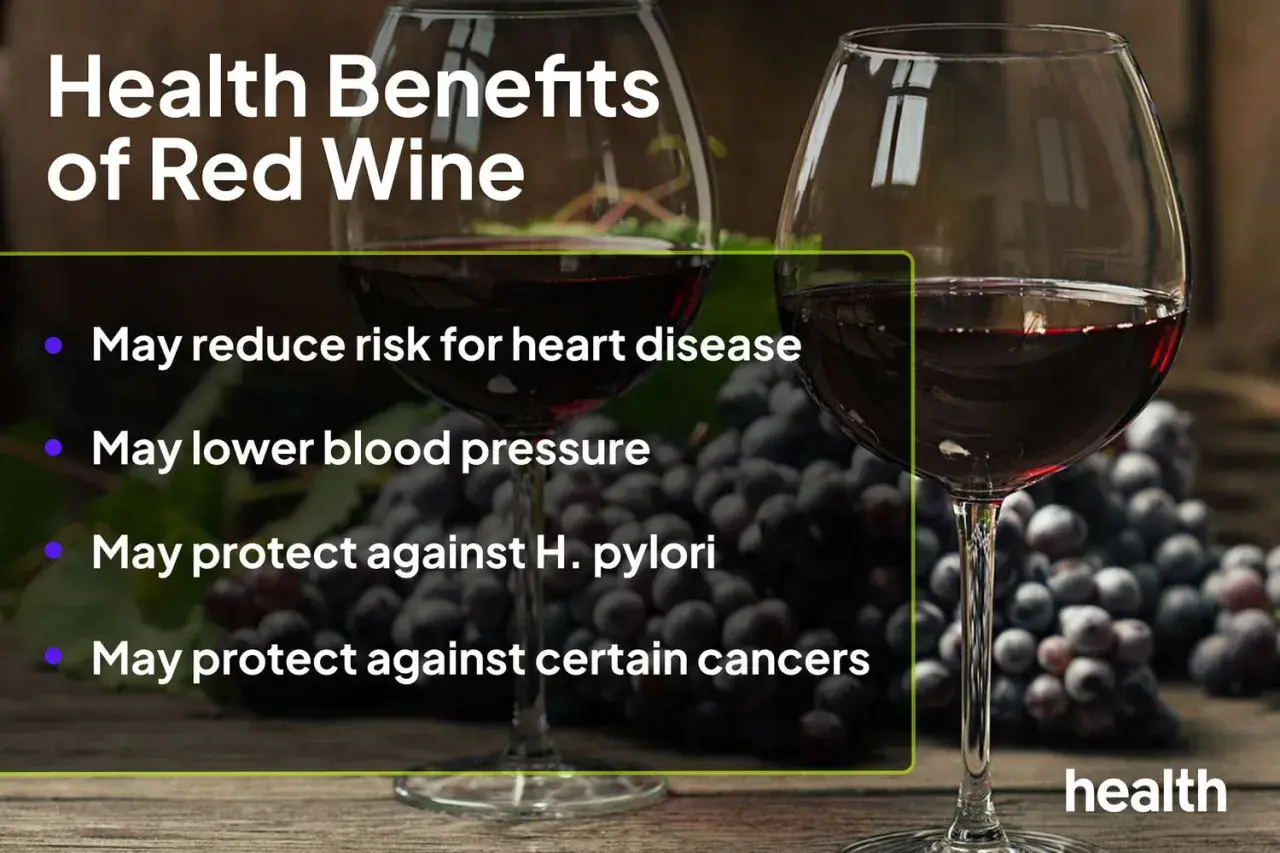
Red wine gets a lot of credit for being heart-friendly, but that reputation only survives if you separate the marketing from the glass. When I look for the best red wine for health, I start with three questions: how dry is it, how much alcohol does it carry, and how easy is it to enjoy slowly with food. This article walks through the styles I would choose, the label details that matter, and the limits you should keep in mind before treating wine as anything more than an occasional pleasure.
The healthiest-looking red is usually dry, moderate in alcohol, and served in a small pour
- Dry red wines are usually a better fit than sweet, fortified, or dessert styles.
- Pinot Noir, Tempranillo, Cabernet Sauvignon, and Merlot are the first styles I would compare.
- 12% to 13.5% ABV is a sensible range to aim for when you can find it.
- A 125 ml glass at 13% ABV is about 1.6 UK units; a 750 ml bottle at the same strength is about 9.8 units.
- The possible upside comes from polyphenols, but alcohol still carries risk, especially when drinking becomes regular.
What makes a red wine look healthier on paper
When people talk about healthier red wine, they usually mean a wine that is relatively rich in polyphenols, the plant compounds that act as antioxidants. Resveratrol is the best-known example, but it is only one compound in a much wider group, and its level varies a lot by grape, climate, vintage, and winemaking.
That is why I do not treat one grape variety as a magic answer. A dry, well-made red with moderate alcohol can look better on paper than a sweeter bottle with the same grape name, because the health picture is shaped as much by alcohol and portion size as by any antioxidant story.
- Dryness matters because residual sugar adds calories and often points to a sweeter style.
- Alcohol by volume matters because alcohol, not just sugar, is the main health trade-off.
- Food pairing matters because a wine that works with a meal is easier to sip slowly.
- Grape name matters less than most labels suggest; producer choices can swing the final result.
Once you understand those basics, the useful part is choosing styles that deliver flavour without pushing alcohol too hard, which is where the most practical comparisons start.
The red styles I would choose first
If I were narrowing the field to the most sensible bottles, I would start with wines that tend to stay dry and balanced rather than dense, sweet, or over-extracted. The grape is not the whole story, but some styles are easier to defend if you want a health-conscious glass that still feels like real wine.
| Style | Why it makes sense | Watch-out | Best use |
|---|---|---|---|
| Pinot Noir | Often lighter-bodied, frequently a touch lower in alcohol, and easy to enjoy with smaller pours. | Not every bottle is light; some modern versions still climb in ABV. | Everyday drinking, lighter meals, and anyone who wants less heaviness. |
| Tempranillo | Usually dry, balanced, and very food-friendly, especially in Rioja or Rioja Alavesa styles. | Oak-aged examples can feel richer than you expect. | Basque-style meals, tapas, grilled meat, and slow sipping with food. |
| Cabernet Sauvignon | Often high in tannin and commonly discussed for its polyphenol content. | Can be more alcoholic and more extract-heavy than lighter reds. | Richer dishes, but I would pour it modestly. |
| Merlot | Softer texture and easy to drink without feeling overly aggressive. | Very smooth wines are easy to overpour because they go down so easily. | Casual meals and drinkers who dislike sharp tannin. |
| Syrah / Shiraz | Deep flavour and enough structure to stand up to hearty food. | Often fuller and higher in alcohol, so the serving size matters more. | Rich dishes, but usually in smaller amounts. |
If I had to pick one style first, I would usually start with a dry Pinot Noir or a balanced Tempranillo. They give enough flavour to feel satisfying without turning the glass into a heavy, high-alcohol commitment, and that is the balance I trust more than any glossy “superfood” claim.

What the label should tell you before you buy
The label will not tell you everything, but it gives you the clues that matter most. I look for three things: the word dry, a sensible ABV, and a style description that sounds like a normal table wine rather than a sweet or fortified one.
In the UK, the portion size is where people quietly lose the plot. A 750 ml bottle at 13% ABV contains about 9.8 units, so one bottle is already most of your weekly low-risk allowance if you stay near the 14-unit guideline. A smaller pour is not a punishment; it is the simplest way to keep the wine enjoyable without making it the main event.
| Serving | Approximate units at 13% ABV | What it means in practice |
|---|---|---|
| 125 ml | 1.6 units | Typical modest restaurant glass. |
| 175 ml | 2.3 units | Common pub or restaurant pour. |
| 250 ml | 3.3 units | Large glass; easy to underestimate. |
| 750 ml bottle | 9.8 units | Close to a full week’s low-risk limit in one bottle. |
I also ignore a few label claims that sound more meaningful than they are. “Reserve”, “oak aged”, or “organic” may tell you something about production, but they do not automatically mean healthier. A wine can be farmed responsibly and still be too alcoholic to drink carelessly, and a fancy bottle can still be a poor fit if you are trying to keep intake modest.
Where the health case for red wine ends
This is the part I think readers deserve to hear plainly: the possible benefits of red wine are modest, but the risks are real. The NHS keeps the low-risk guidance at no more than 14 units a week, spread across several days, and the World Health Organization is even more direct that alcohol increases cancer risk and that no truly safe threshold has been established for cancer prevention.
That does not mean a glass of red with dinner is automatically a bad choice. It does mean the health story is often overstated, especially when people talk as if red wine were a supplement. Polyphenols may help explain why red wine has been studied so often, but you can get similar plant compounds from grapes, berries, olives, nuts, and vegetables without the alcohol trade-off.
There is also a big difference between an occasional glass and a regular habit. A bottle opened every night is not a wellness ritual; it is a pattern that starts to matter for sleep, blood pressure, liver stress, and overall risk. If you do not already drink, I would not start for the sake of antioxidants.
How I’d match a healthier red wine to Basque food
On a Basque table, the smartest wine is usually the one that fits the meal, because good pairing makes smaller pours feel complete. That matters if you are trying to drink less, since a satisfying match reduces the urge to keep refilling the glass.
For pintxos, mushrooms, roast peppers, or charcuterie, I would lean toward a lighter Tempranillo or a restrained Pinot Noir. For grilled lamb, beef, or richer chorizo dishes, Cabernet Sauvignon or Syrah can work, but I would keep the glass smaller because those wines are often denser and more alcoholic.
I also like slightly cooler serving temperatures for lighter reds, around 12-14°C, because the wine feels fresher and more food-friendly. In practice, that can make a real difference: the wine is easier to sip slowly, and it is less likely to become the only thing the table is focused on.
One useful rule of thumb is simple: if the food is delicate, the wine should be lighter; if the food is rich, the wine can be fuller, but the pour should still stay modest. That is a far better health strategy than chasing a bottle because someone called it “good for the heart.”
The bottle I would reach for first tonight
If I were ordering one red with dinner and wanted the most sensible balance, I would choose a dry Tempranillo or Pinot Noir, ask for a 125 ml pour, and drink it with food rather than on its own. That gives me flavour, a manageable alcohol load, and a much better chance of stopping at one glass instead of sliding into a second or third without thinking.
So my real answer is simple: pick the driest red you genuinely enjoy, keep the alcohol moderate, and treat the bottle as part of the meal rather than as a health decision. That is the version of red wine I trust most, and it is also the version that fits a good Basque table best.
