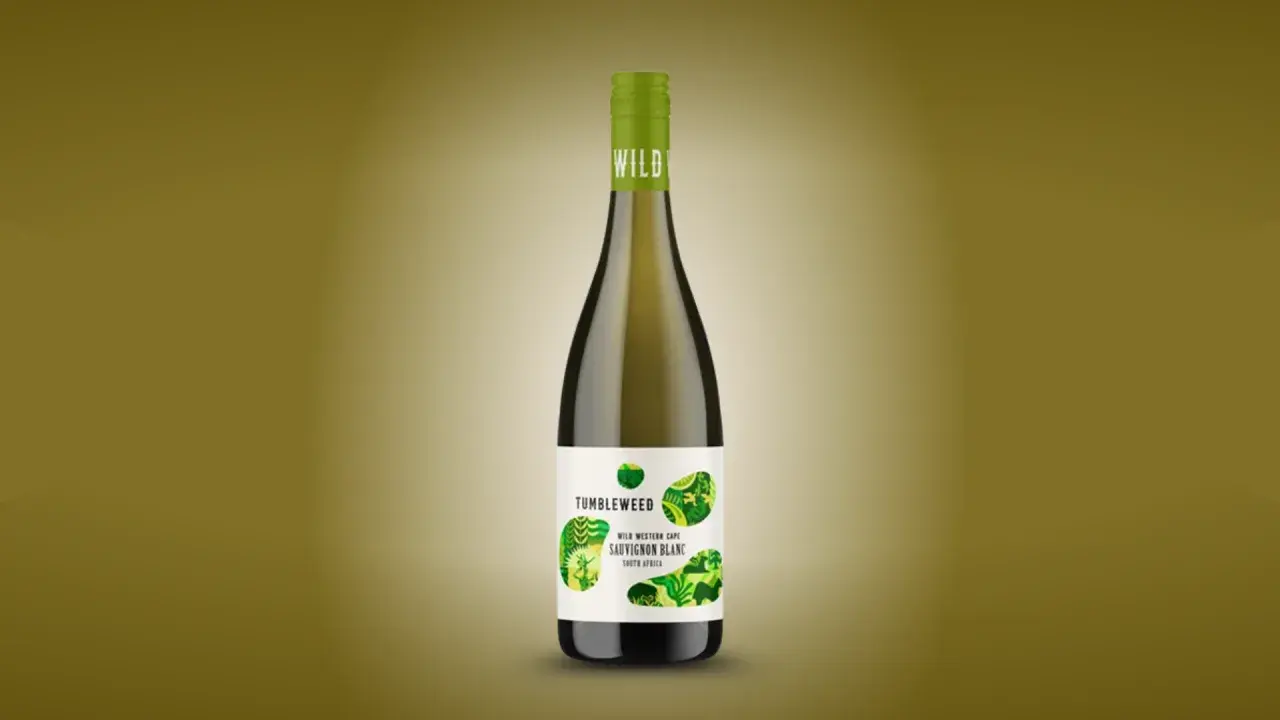
Sauvignon Blanc is one of the easiest white wines to understand once you separate aroma from sweetness. It is usually dry, but its high acidity, green-herbal profile, and regional styles can make one bottle feel razor-sharp while another seems rounder and fruitier. This guide explains what that really means, how to read the bottle, and which foods, including Basque dishes, bring out its best side.
Key points to know before you choose a bottle
- Sauvignon Blanc is normally dry, not sweet.
- High acidity can make it taste even drier than it looks on paper.
- Fruit-driven aromas such as passion fruit or gooseberry do not automatically mean sweetness.
- Loire, Marlborough, Bordeaux, Chile, and California all tend to show different expressions of the grape.
- For food, it works especially well with seafood, goat’s cheese, briny bites, and herb-led dishes.
Is Sauvignon Blanc dry?
The short answer is yes. In most cases, Sauvignon Blanc is made as a dry white wine, which means fermentation has converted almost all of the grape sugar into alcohol. Wine Folly classifies it as dry, light-bodied, and high in acidity, which is exactly why it feels crisp rather than sweet in the glass.
That said, dry does not always mean harsh or sharp. Some bottles carry a small amount of residual sugar, and the wine can still taste dry because the acidity is so strong. I think that is the detail many drinkers miss: perceived dryness is not the same thing as lab sweetness. A wine can smell lush and fruity and still finish clean, linear, and bone-dry.If you only remember one thing, make it this: Sauvignon Blanc is usually dry by style, but the way it tastes depends heavily on region, ripeness, and winemaking choices. That is where the real nuance starts.
Why one bottle tastes sharper, fruitier, or softer than another
The grape has a strong identity, but the final wine is shaped by acidity, ripeness, and the producer’s decisions in the cellar. This is why two Sauvignon Blancs from different places can feel almost like different wines. I usually separate the differences into a few practical factors.
| Factor | What it does in the glass | What it means for dryness |
|---|---|---|
| High acidity | Creates a mouthwatering, brisk finish | Makes the wine feel drier and fresher |
| Residual sugar | Adds a slight roundness or softness | Can soften the dry impression without making the wine taste sweet |
| Cool climate fruit | Shows lime, gooseberry, grass, and herbs | Usually reads leaner and more tension-driven |
| Warmer climate fruit | Brings passion fruit, melon, and ripe citrus | Can feel fuller, even when the wine is still dry |
| Oak or lees ageing | Adds texture, creaminess, and weight | Rounds out the palate and makes dryness feel less angular |
The biggest mistake I see is equating fruity aromas with sweetness. Sauvignon Blanc can smell like grapefruit, gooseberry, or even passion fruit and still finish completely dry. That is especially true when the acidity is high enough to keep the wine taut.
How region and winemaking change the style
Decanter usefully splits Sauvignon Blanc into two broad families: a fragrant, zippy Loire Valley style and a richer Bordeaux-influenced style. I think that is a smart starting point, because it helps explain why the grape can be so fresh in one place and more textured in another.
| Region or style | Typical profile | Dryness impression | Good mental shortcut |
|---|---|---|---|
| Loire Valley, especially Sancerre and Pouilly-Fumé | Citrus, gooseberry, flint, herbs | Very dry-feeling, lean, and precise | For a straighter, more mineral expression |
| Marlborough, New Zealand | Passion fruit, lime, elderflower, herbs | Usually dry, but fruitier and louder | For bright, aromatic freshness |
| Bordeaux and Graves-based blends | More restrained fruit, sometimes creamier texture | Dry, but often broader on the palate | For a more food-friendly, less piercing style |
| Chile and South Africa | Ripe citrus, green herbs, sometimes tropical notes | Dry with a balanced, easy-drinking feel | For value and versatility |
| California or oak-influenced Fumé Blanc styles | Riper fruit, subtle vanilla, more body | Still dry, but softer and rounder | For readers who want less bite |
That table matters because it keeps you from making the wrong assumption at the shelf. A fruit-forward New Zealand bottle is not sweet by default, and a Loire bottle is not the only dry version worth buying. The style changes, but the grape usually stays on the dry side.
How to spot a dry bottle on a UK shelf
In the UK, I would read Sauvignon Blanc labels in a very practical way. The grape name alone tells you very little about perceived sweetness, but the region, alcohol level, and back-label wording give you useful clues.
- Check the region first. Sancerre, Pouilly-Fumé, Marlborough, Bordeaux, and coastal Chile are safe bets for dry styles.
- Look at the alcohol level. Many dry examples sit around 11.5% to 13.5% ABV, although that is a guide, not a rule.
- Read the flavour words. “Citrus”, “gooseberry”, “grass”, “herbal”, and “mineral” usually point to a dry profile.
- Do not mistake ripe aroma for sweetness. Passion fruit and tropical fruit notes can still come from a dry wine.
- Watch for softer styles. Words such as “off-dry”, “round”, or “textured” may signal a less strict dry impression.
What I would not do is assume price tells the story. A modestly priced bottle can be very dry and precise, while a more expensive one may be deliberately fuller and oakier. The label language and region matter more than the number on the shelf.
What to drink it with when acidity matters
This is where Sauvignon Blanc becomes especially useful. Its acidity and dryness make it a strong match for food with salt, brine, herbs, citrus, and a little fat. That is why it works so well with Basque cooking, where freshness and texture often sit side by side.
- Gildas and anchovies - the salt and vinegar-like bite sharpen the wine’s finish.
- Bacalao pil-pil - the acidity cuts through the rich emulsion without overpowering the cod.
- Grilled hake or sea bass - a very clean pairing when the wine leans citrusy rather than aggressively grassy.
- Idiazabal or goat’s cheese - the wine’s brightness keeps the cheese from feeling heavy.
- Piquillo peppers and herb-led pintxos - a great match for the wine’s aromatic lift.
I would be more careful with very spicy food or sweet glazes. Sauvignon Blanc can feel thin or overly sharp if the dish pushes heat too hard or adds noticeable sweetness. For the best result, pair it with dishes that have savoury depth, salt, and freshness rather than sugar.
When Sauvignon Blanc stops feeling dry
There are a few edge cases worth knowing. Some producers leave a trace more residual sugar to soften the palate, and some warm-climate versions are built to feel rounder from the start. Oak ageing can also create a perception of sweetness even when the wine is technically dry, because vanilla and creamy textures read as softer on the tongue.
If you want the driest-feeling version, I would look for a Loire example or a cool-climate bottle with a lean description. If you want a gentler style that is still dry, a Bordeaux-influenced or lightly oaked bottle is usually the better choice. And if Sauvignon Blanc feels too pointed for you, Albariño or dry Chenin Blanc can give you the same food-friendly freshness with a less green edge.The important part is to match the bottle to the moment, not to the grape name alone. Sauvignon Blanc can be dry and steely, dry and fruity, or dry and rounded, depending on how it was made.
The quickest way I choose a bottle for seafood and pintxos
For a simple dinner choice, I start with the food. For shellfish, grilled fish, and salty pintxos, I reach for a lean, citrus-led Sauvignon Blanc. For richer dishes or cheese, I allow a bit more texture and maybe a touch of oak. That approach usually works better than chasing a certain label style, because the wine’s acidity does most of the heavy lifting at the table.
So the practical answer is straightforward: Sauvignon Blanc is usually dry, its acidity makes it taste even drier, and the region tells you whether the bottle will feel crisp, fruity, or softly rounded. Once you read it that way, choosing the right bottle becomes much easier.
