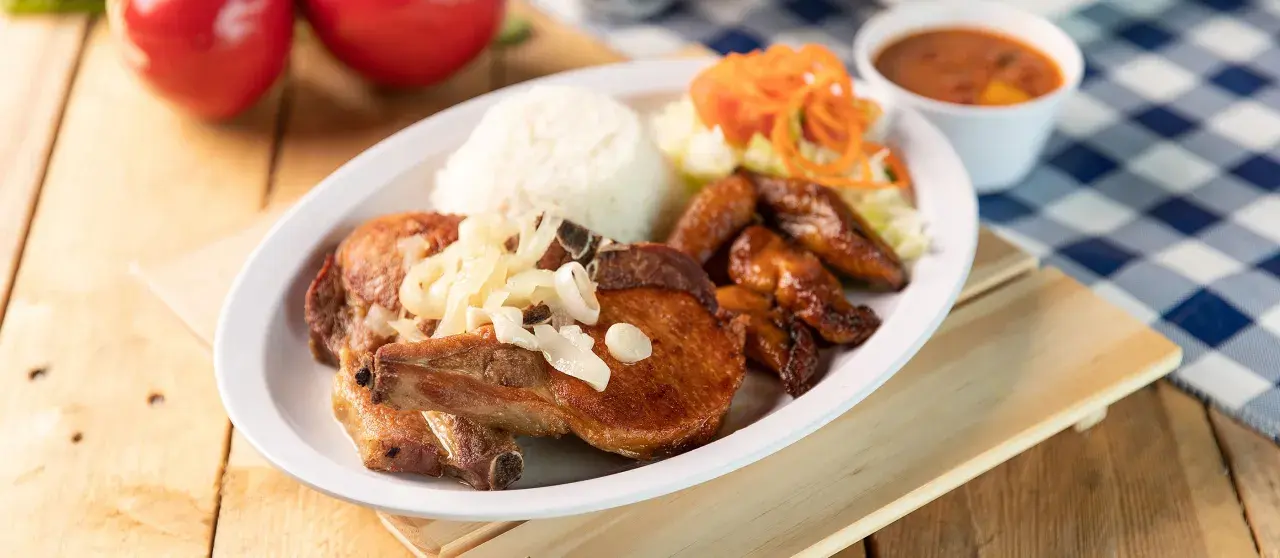
Chuleta is one of those meat terms that looks simple until you put it on a menu. The real answer to what is chuleta meat is that it changes with context: in some places it means a pork chop, while in Basque cooking it points to a very different beef cut. This article breaks down the regional meanings, the texture and flavour you should expect, and how to order or cook it sensibly in the UK.
The short version you need first
- In Spanish, chuleta is a broad word for a chop or cutlet, not one single animal.
- In Basque cuisine, txuleta usually means a thick, bone-in beef rib steak.
- In Caribbean and some Latin American cooking, chuleta often means a pork chop, sometimes fried or marinated.
- In the UK, the safest move is to ask whether the cut is pork or beef, bone-in or boneless, and how thick it is.
- The best chuleta dishes rely on simple seasoning, strong heat, and proper resting.
The word chuleta changes meaning by region
According to Cambridge Dictionary, chuleta translates broadly as a cutlet or chop, which is exactly why the term causes confusion. In everyday cooking, that can point to pork, lamb, veal, or beef, depending on the country and the menu style. I treat it as a context word, not a fixed cut.
That distinction matters in the UK because diners often expect one clean answer. In reality, the safer question is not "what animal is it?" but "what cuisine is it coming from?"
| Context | What chuleta usually means | What to expect on the plate |
|---|---|---|
| General Spanish usage | A chop or cutlet | The animal may vary |
| Caribbean and some Latin American kitchens | Usually a pork chop | Fried, marinated, or braised |
| Basque cooking | Txuleta, a beef rib steak | Thick, bone-in, simply seasoned, grilled hard |
Once you see the term as a family of meanings, the rest of the picture becomes much clearer, and that leads straight into the Basque version most food lovers are really after.
In Basque cooking, chuleta usually means a beef rib steak
In Basque restaurants, the word usually points to txuleta: a large beef rib steak, often bone-in, often dry-aged, and often cut much thicker than the average British chop. Basco Fine Foods describes the Basque version as a big rib steak served on the bone, and that is the image I keep in mind when I think about this style.
This is not delicate meat. It is built for flavour, marbling, and direct heat. Older cattle and longer ageing are common in the Basque tradition, which gives the meat a deeper, beefier taste than a supermarket steak that has been trimmed too neatly and cooked too timidly.
- Cut: usually from the rib section.
- Shape: thick, substantial, and often bone-in.
- Flavour: beefy, salty, and rich, with more intensity than a standard chop.
- Cooking style: high heat, short cook, minimal fuss.
That Basque approach is important because it explains why chuleta is treated almost like a centrepiece rather than an everyday chop.
How it differs from the pork chop most UK diners expect
In the UK, "chop" usually suggests pork first, and that is where the misunderstanding begins. A British pork chop is often a leaner, milder, everyday cut that benefits from careful cooking. A Basque chuleta, by contrast, is usually about robust flavour and visible fat.
| Cut | Typical meat | Best cooking approach | What it tastes like |
|---|---|---|---|
| British pork chop | Pork loin or rib | Pan-fry, grill, or oven-finish until safely cooked | Clean, mild, slightly sweet |
| Basque txuleta | Beef rib steak on the bone | Very hot grill or charcoal, then rest | Deeply beefy, fatty, charred |
| Chuleta frita | Often pork chop in Caribbean cooking | Marinated and fried or shallow-fried | Garlicky, seasoned, crisp-edged |
The practical lesson is simple: do not cook by the name alone. Cook by the animal, the thickness, and the style of cuisine. That is the fastest way to avoid dryness, undercooking, or a dish that tastes wrong for the tradition you are trying to follow.
How I would cook it at home
If I am cooking Basque-style chuleta, I keep the method stripped back. The meat should carry the meal; seasoning and technique only support it. A thick rib steak wants intense heat, a dry surface, and a short, controlled cook.
- Bring the meat closer to room temperature for about 30 to 45 minutes.
- Pat it dry and season generously with coarse salt.
- Use a very hot grill, barbecue, or heavy pan so the exterior sears quickly.
- Cook the first side until a proper crust forms, then turn once.
- Rest the meat for 5 to 10 minutes before slicing.
For a pork chuleta, the rhythm changes. I use more moderate heat, I am less aggressive with salt, and I often lean on a marinade or seasoning paste if the recipe comes from Puerto Rican, Dominican, or other Caribbean traditions. That version wants juicy, well-seasoned pork; the Basque version wants beef character and fire.
If you are cooking in a UK kitchen, a cast-iron pan can work well, but only if it is genuinely hot. A lukewarm pan gives you grey meat and no crust, which is the opposite of what this cut wants. Once a steak passes about 3 cm in thickness, the sear-and-rest rhythm matters much more than exact timing.
What to ask for in the UK
If you are buying from a butcher or ordering in a restaurant, do not stop at the word chuleta. Ask which animal it comes from, whether it is bone-in, and how thick the cut is. In the UK, that usually translates into a much clearer conversation than trying to force a direct one-word equivalent.
- For Basque-style beef, ask for a thick bone-in rib steak or rib chop.
- For pork, ask whether it is a loin chop, rib chop, or shoulder chop.
- Ask whether it has been dry-aged, meaning the meat has been rested under controlled conditions to deepen flavour and firm up texture.
- Ask how it will be cooked, because a thin chop and a thick steak do not want the same treatment.
I also ask about fat cover. A little external fat helps a rib steak stay lively on the grill, while a very lean chop can dry out fast. That one detail often explains why two cuts with the same name taste completely different, even before the pan hits the heat.
Why the cut matters more than the label
For this topic, I care less about dictionary neatness and more about how the meat behaves in the pan. A chuleta can be a pork chop, a beef rib steak, or a regional specialty with its own method, and the only reliable way to know which one you have is to look at the cuisine, the animal, and the cut.
That is also why chuleta is such a useful Basque dining word. It signals a style of eating that is direct, generous, and built around the meat itself. If you choose a thick, well-marbled cut, season it simply, and cook it with enough heat, you get the character people are usually hoping for when they ask about chuleta in the first place.
In practice, the best habit is the simplest one: read the menu, confirm the cut, and match the cooking to the tradition rather than to the English translation.
