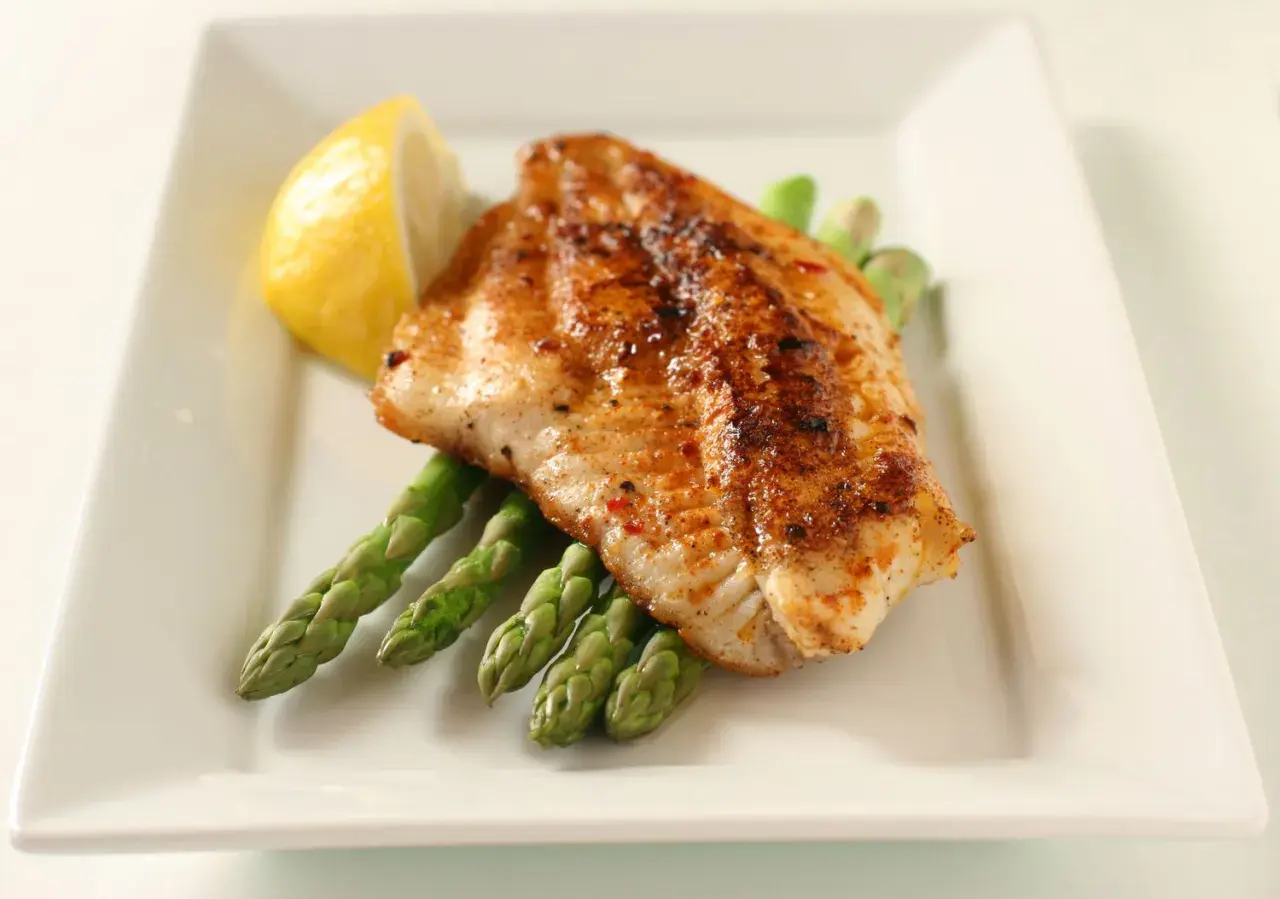
Spanish fish cookery works best when the dish stays lean, bright, and precise. The recipes I trust most use olive oil, garlic, wine or vinegar, and fish that can handle gentle heat without falling apart. In this guide I’ll show you how I choose the right fish in the UK, which pantry ingredients matter, and how to cook a few Spanish-style dishes that actually taste like they belong on the table.
What matters most when cooking Spanish-style fish
- Choose the right fish for the method - firm white fish works best in stews, while more delicate fillets suit quick sauces.
- Keep the flavour base simple - olive oil, garlic, parsley, tomatoes, paprika, and dry white wine do most of the work.
- Control the heat - Spanish fish dishes reward patience; aggressive boiling or frying usually ruins the texture.
- Use acid at the end - lemon, vinegar, or a dry wine lift the sauce and keep it from tasting heavy.
- Start with a few reliable classics - pil-pil, salsa verde, and a simple fish stew cover most home-cooking situations well.
What makes Spanish-style fish different
Spanish fish cooking is not one single style, and that is part of the appeal. In Basque kitchens, I usually see a cleaner hand: olive oil, garlic, parsley, white wine, and a sauce that supports the fish instead of drowning it. In other regions, tomato, peppers, saffron, and paprika appear more often, but the same principle holds - the fish should remain the centre of the plate.
- It relies on restraint. A short ingredient list usually tastes better than a crowded one.
- It treats sauce as structure, not decoration. The sauce should cling, lift, or gloss the fish, not hide it.
- It uses acidity wisely. Vinegar, lemon, and dry wine keep seafood tasting clean and fresh.
- It respects the fish itself. Overcooking is the fastest way to lose the Spanish character of the dish.
Once you understand that balance, choosing the right species becomes much easier, and the next step is knowing what to buy in a UK kitchen.
The best fish and seafood to buy in the UK
I usually start with what is easy to find fresh, frozen, or at a good fish counter in the UK. You do not need a rare Mediterranean catch to make these dishes work; you need the right texture and a fish that holds up to the sauce.
| Fish or seafood | Why it works | Best Spanish-style use | My note |
|---|---|---|---|
| Hake | Flaky but still sturdy, with a mild flavour | Salsa verde, light stews, pan sauces | One of the easiest all-round choices if you want a clean Basque-style result. |
| Cod | Firm flakes and a neutral taste that takes seasoning well | Pil-pil, tomato stews, baked dishes | Salt cod is traditional for some dishes; fresh cod is a good everyday substitute for others. |
| Monkfish | Meaty, dense, and hard to over-handle | Robust stews, oven-baked dishes, seafood casseroles | Excellent when you want something more substantial than a thin fillet. |
| Sea bass | Delicate but still elegant when cooked whole or as thick fillets | Donostiarra-style baking, quick pan cooking | Very good for a simpler Basque-inspired supper. |
| Sardines or mackerel | Oily fish with strong flavour and a short cooking time | Grilling, paprika rubs, vinegar-based finishes | Best when you want a bold, low-effort dish. |
| Mussels or clams | Not fish, but excellent seafood partners in a stew | Brothy fish dishes and mixed seafood plates | They add natural salinity and make a simple sauce feel richer. |
For a UK home cook, I would start with hake or cod most of the time, then move to monkfish or sea bass when I want a more special plate. That choice matters less than people think, but it still shapes the final texture, so the pantry and technique need to match the fish.
The pantry and technique that give the dish its Spanish character
The flavour of a Spanish fish dish usually comes from a few dependable ingredients used with discipline. I want the sauce to feel alive, not heavy, so I keep the backbone sharp and clean.
- Extra-virgin olive oil. This is not just the cooking fat; in dishes like pil-pil, it becomes part of the sauce.
- Garlic. Lightly cooked garlic gives sweetness and depth. If it turns brown too fast, the dish can taste bitter.
- Parsley. Fresh parsley gives brightness, especially in salsa verde and white wine sauces.
- Dry white wine or sherry. A small amount lifts the dish and adds a clean, savoury edge.
- Tomatoes and peppers. These bring body and sweetness in stews and richer regional recipes.
- Paprika and saffron. Use both carefully; a little goes a long way, and too much makes the dish muddy.
- Fish stock. A light stock gives depth without making the sauce heavy.
- Lemon or vinegar. Acid at the end keeps the fish tasting fresh.
There is one technical word worth knowing here: an emulsion is a sauce in which oil and liquid stay mixed into a smooth texture. Pil-pil is the classic Spanish example, and it only works if you treat the pan gently instead of forcing the sauce into place.
Once that base is in your head, the actual recipes become much easier to read and repeat.

Three Spanish fish dishes I would cook first
When I want a reliable result, I start with one of these three. Each one teaches a different skill: handling salted cod, building a clean sauce, or balancing a stew so the fish stays tender.
| Dish | Best fish | Time | Skill level | Why it is worth learning |
|---|---|---|---|---|
| Bacalao al pil-pil | Salted cod | 30 to 40 minutes, plus desalting time | Medium | It shows how a simple emulsion can become a luxurious sauce without cream or flour. |
| Merluza en salsa verde | Hake | 20 to 25 minutes | Easy | It is one of the cleanest Basque fish dishes and works beautifully on a weeknight. |
| Spanish fish stew with tomato and saffron | Cod, monkfish, haddock, or pollock | 35 to 45 minutes | Easy to medium | It gives you comfort, colour, and enough flexibility to use what you have. |
Bacalao al pil-pil
This is the Basque dish I would choose when I want the fish to taste unmistakably Spanish but still very direct. The sauce is built from olive oil, garlic, and the gelatin released by salted cod, so the texture matters as much as the ingredients.
Ingredients for 4: 600 to 800 g salted cod, 150 to 200 ml extra-virgin olive oil, 4 garlic cloves, 1 dried chilli, a little chopped parsley, and boiled potatoes or bread for serving.
- Desalt the cod first. Soak it in the fridge for 24 to 48 hours, changing the water every 8 to 12 hours.
- Dry the fish well. Excess moisture makes it harder to build the emulsion later.
- Warm the olive oil gently. Add the garlic and chilli, then remove them before they brown.
- Cook the cod slowly. Keep the heat low and let the fish release its gelatin into the oil.
- Swirl the pan. Do not whisk hard; keep moving the pan until the sauce turns glossy and slightly thick.
- Serve immediately. Pil-pil is best when it is still silky and warm.
If the sauce separates, I do not panic or reach for cream. I lower the heat, keep swirling, and let the pan settle back into a stable emulsion.
Merluza en salsa verde
This is the dish I make when I want something lighter and quicker. Hake is a natural fit because it cooks fast and absorbs the parsley-garlic sauce without becoming heavy.
Ingredients for 4: 4 hake fillets, 3 tbsp olive oil, 3 garlic cloves, 2 tbsp chopped parsley, 100 ml dry white wine, 250 to 300 ml light fish stock, 1 tsp flour, salt, pepper, and optional clams or peas.
- Cook the garlic gently. Soften it in olive oil without letting it colour too much.
- Stir in the flour. Use just enough to help the sauce coat the fish; too much makes it pasty.
- Add wine and stock. Simmer briefly so the sauce loses its raw edge.
- Lay in the hake. Let it poach gently for about 5 to 7 minutes, depending on thickness.
- Finish with parsley. Add it at the end so the sauce stays green and fresh.
- Serve with potatoes or bread. That is usually all the dish needs.
When salsa verde tastes flat, it usually needs more salt, a little more parsley, or a sharper finish from wine or lemon. It does not need more richness.
Spanish fish stew with tomato and saffron
This is the most forgiving of the three and the one I would make when I have mixed seafood, a few potatoes, and a good tin of tomatoes. It is not about precision in the same way as pil-pil; it is about building a broth that tastes layered but still clean.
Ingredients for 4: 500 to 700 g firm fish, 1 onion, 1 red pepper, 2 garlic cloves, 2 medium potatoes, 1 small tin or 400 g chopped tomatoes, 750 ml fish stock, 100 ml dry white wine, 1 tsp sweet paprika, a pinch of saffron, 2 tbsp olive oil, and optional mussels or clams.
- Build the base. Soften onion, pepper, and garlic in olive oil.
- Add paprika briefly. Stir it for a few seconds only, then add the tomatoes so it does not burn.
- Add stock, wine, and potatoes. Simmer until the potatoes are nearly tender, usually 12 to 15 minutes.
- Stir in the fish last. Cook it gently for 5 to 8 minutes, just until it flakes.
- Add shellfish at the end if you are using them. Mussels or clams only need a few minutes to open.
- Rest the pot for a minute. The flavour settles quickly and the sauce tastes better once it has calmed down.
This is the kind of dish that looks simple but tells you immediately whether the seasoning was right. If the broth tastes dull, it usually needs salt and acid, not more tomato.
The mistakes that make Spanish fish taste flat or muddy
Most problems with these dishes come from the same few errors. I see them often enough that I treat them as a checklist before I start cooking.
- Using the wrong fish for the method. Delicate fillets collapse in long stews, while thick, meaty fish can feel too heavy for a very light sauce.
- Cooking garlic too hard. Bitter garlic can ruin an otherwise good pan of fish in less than a minute.
- Overcrowding the pan. If the fish is packed in too tightly, it steams badly instead of cooking cleanly.
- Boiling instead of simmering. Aggressive heat breaks sauces and toughens fish.
- Using too much flour or tomato. Spanish fish dishes should have body, not paste.
- Forgetting the final lift. A little lemon, vinegar, or fresh parsley at the end often makes the difference between good and memorable.
When I am diagnosing a disappointing result, I usually start with texture first and seasoning second. If the fish is dry or the sauce is heavy, no amount of extra spice will rescue it properly.
The simplest Basque-style menu that still feels special
If I were serving this at home in the UK, I would keep the plate spare and let the fish lead. The side dishes should make the meal more complete, not more cluttered.
| If you have | I would cook | Serve it with | Why this pairing works |
|---|---|---|---|
| 20 minutes | Merluza en salsa verde | Boiled baby potatoes, lemon wedges, and a green salad | The sauce stays light, and the potatoes catch every bit of flavour. |
| 35 minutes | Spanish fish stew with tomato and saffron | Crusty bread and roasted peppers | The stew already has depth, so the sides should simply round it out. |
| Salted cod ready in advance | Bacalao al pil-pil | Patatas panaderas, charred peppers, and a dry white wine | The clean, glossy sauce needs a side that respects its texture. |
If you can find a crisp Basque-style white wine such as txakoli, it is a strong match, but any dry, bright white wine or even dry cider will do the job well. What I would avoid is a heavy side dish or anything too creamy; Spanish seafood usually feels better when the plate stays light.
For me, the easiest way to cook Spanish fish well is to keep three rules in mind: choose a fish that fits the sauce, season with restraint, and stop cooking before the flesh turns dry. If you get those right, the rest is just a matter of practice, and the dishes will start to taste more confident every time you make them.
