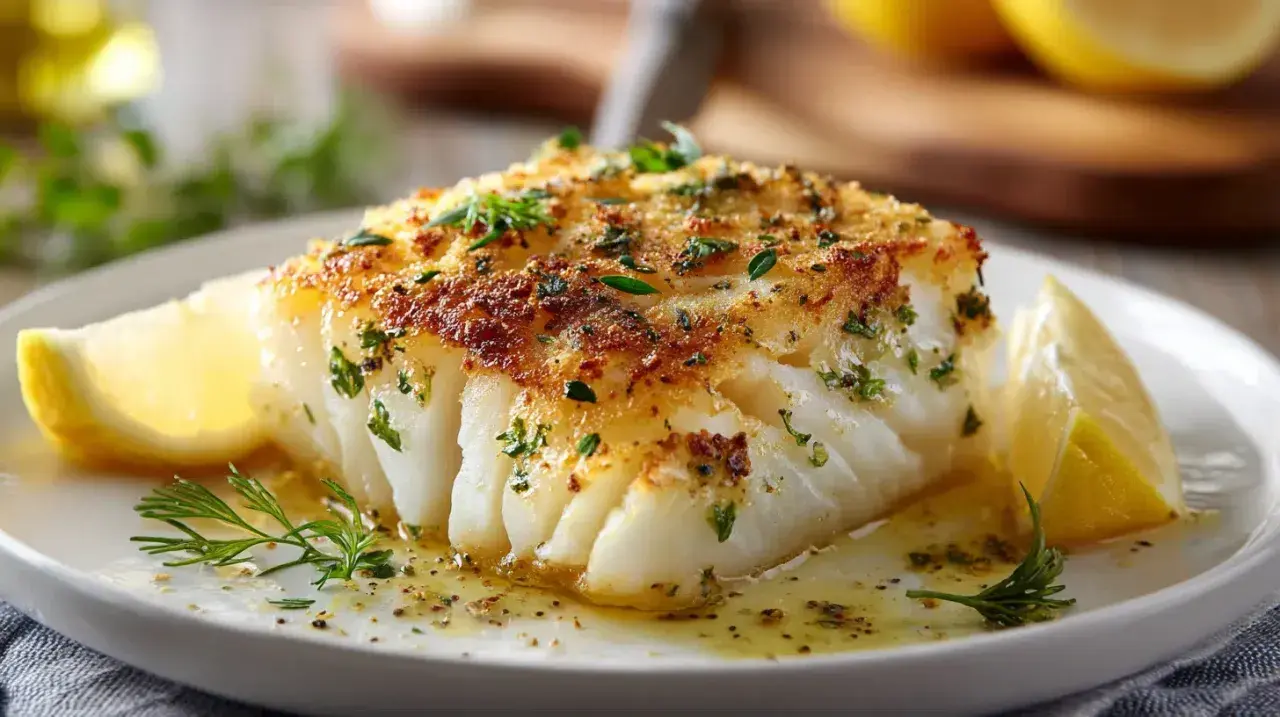
Cod is one of those fish that looks easy until it lands in the pan and starts overcooking by the minute. I treat it as a fish that rewards restraint: dry the fillet properly, keep the heat sensible, and season with enough confidence to lift the flavour without hiding it. If you want a dependable answer to how to cook cod, this guide covers the buying, prep, timing, doneness, and the Basque-leaning seasonings that suit it best.
The fastest route to tender cod is gentle heat, short timing, and dry fillets
- Choose thick, firm fillets when you can; they hold together better and stay juicier.
- Pat cod dry before seasoning so it browns instead of steaming.
- For the oven, 200C fan or 220C conventional usually gives good results in about 10 to 12 minutes for average fillets.
- If you use a thermometer, the Food Standards Agency’s standard advice is 70C for 2 minutes.
- Basque-style flavours like olive oil, garlic, lemon, chilli, and parsley suit cod without drowning it.
- The biggest mistake is leaving it in the heat after it is already opaque and flaky.
Choose the fillet with the right thickness
The first decision happens before the fish ever touches heat. Thick loin fillets are the easiest to cook well because they have a little buffer against overcooking, while thinner tail pieces can go from tender to dry very quickly. I usually reach for skin-on fillets when I want a bit more protection in the pan, and skinless fillets when I am baking or poaching and want the flavour to stay clean.
If the cod is frozen, thaw it fully in the fridge and dry it properly before cooking. That extra moisture is not a small detail; it is the difference between a light golden finish and a soggy surface. Once you know what you are starting with, choosing a method becomes much easier.
Pick the cooking method that fits the meal
Cod is flexible, but not every method gives the same result. I think of it as a fish that can be elegant, rustic, or very quick, depending on how much colour and texture I want on the plate.
| Method | Best for | Typical time | What it gives you | Main risk |
|---|---|---|---|---|
| Baking | Easy dinners, thicker fillets, hands-off cooking | 10 to 12 minutes | Even cooking and a clean, flaky texture | Dryness if you forget it for even a few minutes |
| Pan-frying | A crisp edge, more colour, a faster finish | 4 to 6 minutes total | More flavour from browning and fat | Breaking the fillet if you turn it too soon |
| Poaching | The softest texture, delicate sauces | 6 to 10 minutes | Very moist fish with gentle flavour | It can taste flat if the liquid is underseasoned |
| Steaming | Very light meals, clean flavours, sauce-led dishes | 6 to 10 minutes | Supple flesh without added fat | Easy to overdo if you wait for a dramatic colour change |
If I want the most forgiving route, I bake it. If I want the best surface texture, I pan-fry it. If I want cod to disappear into a broth, sauce, or emulsion, I poach or steam it. That comparison matters because the fish behaves differently depending on the heat and the pan you choose.

Bake cod for the most reliable weeknight result
Baking is the method I recommend most often because it is straightforward and consistent. Start by heating the oven to 200C fan or 220C conventional, then lightly oil a baking dish or tray. Season the cod with salt, black pepper, a little lemon zest, and olive oil, or dot it with a few small pieces of butter if you want a richer finish.
- Pat the fillets dry and place them in a lightly oiled dish.
- Season both sides, then add lemon slices, garlic, thyme, parsley, or a few strips of pepper if you want a more Mediterranean profile.
- Bake until the flesh turns opaque and flakes cleanly, usually around 10 to 12 minutes for average fillets.
- If you use a thermometer, aim for the thickest part of the fish to reach the UK standard of 70C for 2 minutes.
I like baking when I am serving potatoes, greens, or a tomato-based side, because the fish is done without much attention and still tastes clean. If you want more colour or a slightly firmer edge, the pan gives you that next layer.
Pan-fry cod when you want colour and a crisp edge
Pan-frying is the move when you want a little drama on the surface. The key is a hot pan, enough oil to coat the base, and patience at the start. Cod releases naturally when it is ready; if it sticks badly, it usually needs another minute.
- Dry the fillets thoroughly and season them just before they go into the pan.
- If you want extra crust, dust lightly with flour and shake off the excess.
- Heat a neutral oil or olive oil over medium-high heat until it shimmers.
- Lay the fish in gently and leave it alone for a couple of minutes before turning.
- Cook until the outside is golden and the centre is just opaque.
For a standard fillet, I usually expect around 2 to 3 minutes on the first side and 1 to 2 minutes on the second, though thickness matters more than the clock. A knob of butter added at the end, with garlic or parsley, makes the pan juices worth spooning over the fish. If you want a softer texture instead of a browned crust, the next method is the one to use.
Poach or steam cod when you want the softest texture
Poaching and steaming suit cod when the rest of the plate is doing the work. A light broth, court bouillon, milk, or salted water with bay leaf and lemon can keep the fish moist and give it a subtle background flavour. I use this approach when I want the cod to stay very delicate and almost silken.
For poaching, keep the liquid just below a boil and slide the fillets in gently. Depending on thickness, the fish will usually be ready in 6 to 10 minutes. For steaming, use a lidded steamer or a rack over simmering water and cook until the flesh turns opaque and separates easily with a fork.
This style works especially well if you plan to finish the fish with a sauce, because it leaves you room to add flavour later. That brings me to the part I care about most: seasoning that actually complements cod rather than fighting it.
Give cod a Basque accent without burying it
Cod loves clean, confident flavour. In a Basque-leaning kitchen, I reach for olive oil, garlic, parsley, lemon, mild chilli, and sometimes roasted peppers or tomatoes. The point is not to make the fish loud; it is to give it a warmer, more expressive frame.
A pil pil-inspired finish is a good example of the idea. Traditional bacalao al pil pil usually uses salt cod, but the flavour logic still works beautifully with fresh cod: gently warmed olive oil, sliced garlic, a little chilli, and the fish juices bringing the sauce together. It is simple, but not thin, and that is exactly why it works.
Other combinations that stay in balance are lemon and capers for brightness, smoked paprika and peppers for a deeper note, or butter and parsley when you want a familiar British plate. The important thing is to season with purpose, not volume. Once that is in place, the mistakes to avoid become much easier to spot.
Avoid the mistakes that dry cod out
Most bad cod is not badly seasoned. It is simply overcooked, underdried, or left waiting on a hot plate for too long. Cod keeps cooking after it comes off the heat, so I pull it a touch earlier than beginners usually expect and let the residual heat finish the job.
- Do not cook it straight from a wet packet; dry it first.
- Do not use aggressive heat for too long just because the fish is thick.
- Do not keep turning it in the pan; one clean turn is usually enough.
- Do not rely on colour alone if the fillet is very pale or coated in flour.
- Do not let it sit in the pan after it is already done.
If you remember only one thing, make it this: cod should look opaque, feel just firm, and flake with gentle pressure. Anything much beyond that starts to push it into dry, cottony territory. With those traps out of the way, the final question is what to put around the fish so the plate feels complete.
What I would serve with cod on a Basque-leaning table
I like cod with sides that keep the meal fresh rather than heavy. In practice, that means new potatoes with olive oil and parsley, green beans or samphire, a tomato and onion salad, or simple sautéed peppers. If I want a richer plate, I add aioli, a light butter sauce, or the pan juices spooned back over the fish.
For a more distinctly Basque feel, I would build the plate around peppers, garlic, good olive oil, and bread for mopping up the sauce. That combination works because it respects the cod instead of trying to reinvent it. When the fish is cooked just right, the sides only need to support it, not compete with it.
The cleanest way to cook cod is still the simplest one: choose a good fillet, dry it well, season it lightly, and stop cooking as soon as it turns opaque and flakes easily. That gives you a fish dinner that feels deliberate rather than fussy, and it leaves enough room for the Basque flavours to do their work.
