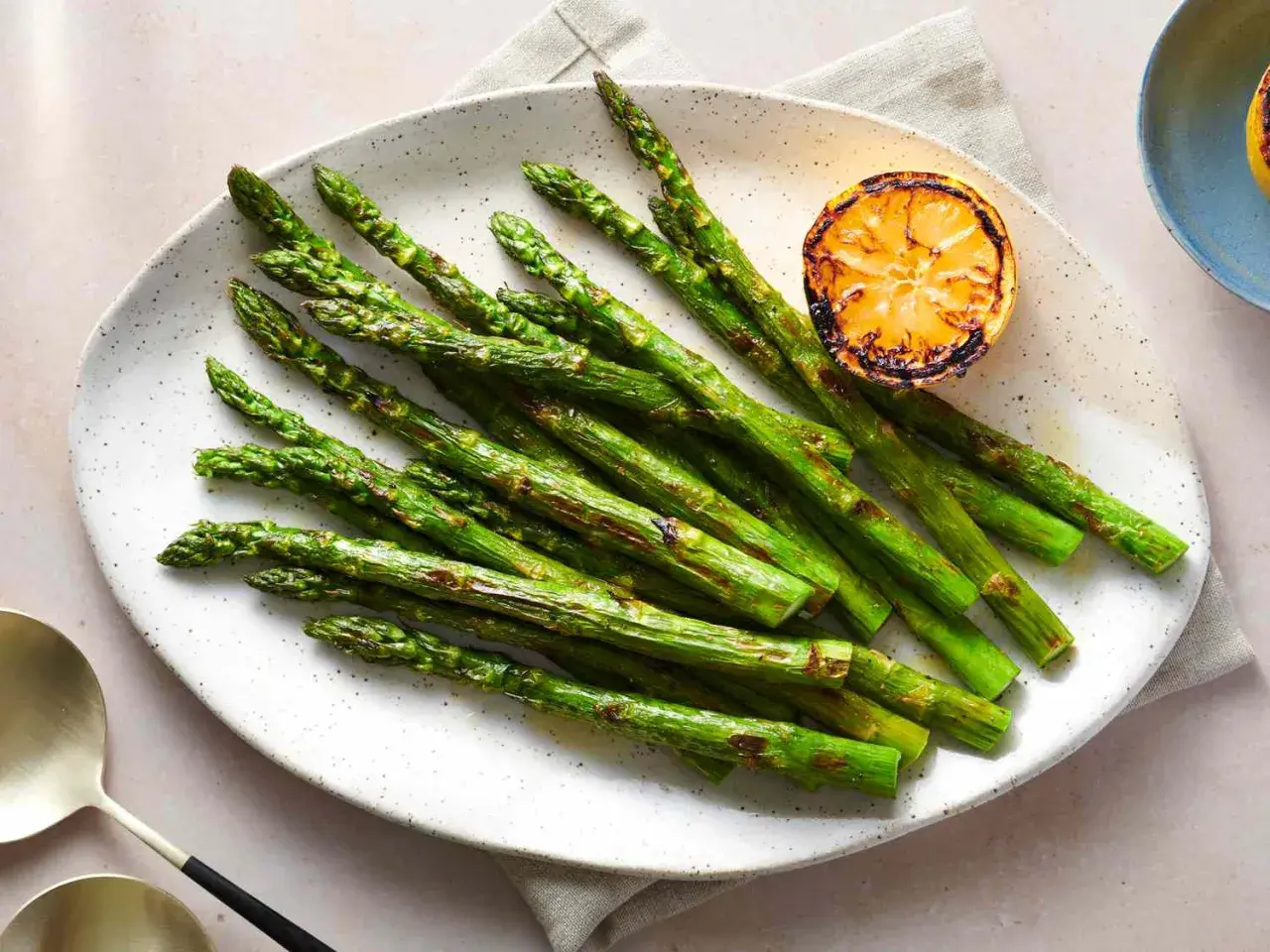
Spanish asparagus is at its best when the vegetable still tastes like spring and the rest of the plate only sharpens that sweetness. In Spanish and Basque cooking, that usually means a clean, fast treatment: olive oil, garlic, smoked paprika, jamón, eggs, or a simple sauce that never hides the produce. This guide breaks down the ingredients, the asparagus types worth buying in the UK, and the cooking methods that keep the spears tender rather than tired.
The essentials of a good Spanish-style asparagus plate
- Keep the flavour restrained. The vegetable should lead, not the sauce.
- Green and white asparagus behave differently. They need different buying and cooking approaches.
- Olive oil, garlic, paprika, jamón, egg, and alioli do most of the work.
- In the UK, the homegrown season is short. British Asparagus says it runs from around 23 April to 21 June.
- Fast cooking matters. Overcooking is the most common reason the dish falls flat.
What the Spanish style really means
When I think about asparagus in Spanish cooking, I do not think about one fixed recipe. I think about a way of treating excellent produce with almost stubborn simplicity. The point is to keep the stalks sweet and fresh, then add one or two bold notes that make sense with spring: a little garlic, a dusting of smoked paprika, a slice of ham, a spoon of alioli, or a bright squeeze of lemon.
That approach fits Basque cooking especially well. The region is famous for letting fish, vegetables, and shellfish stay recognisable on the plate. With asparagus, that usually means a quick grill, a short sauté, or a gentle poach, followed by a finishing ingredient that adds contrast rather than weight. I find that restraint is what separates a proper tapa from a dish that just happens to contain asparagus.
Once that idea is clear, the next question becomes practical: which asparagus should you actually buy?
Which asparagus to buy in the UK
The right choice depends on texture, season, and what kind of plate you want to build. In the UK, fresh green spears are the easiest to find, but white asparagus from Spain is the classic route when you want something softer, milder, and a little more refined.
| Type | Flavour and texture | Best use | What I look for |
|---|---|---|---|
| Fresh green asparagus | Grassy, sweet, and slightly peppery | Griddled, roasted, pan-fried, or served with ham and egg | Firm stalks, tight tips, and clean cut ends |
| White asparagus | Milder, silkier, and less fibrous when properly peeled | Served warm or cold with mayonnaise, olive oil, or seafood | Plump spears with no shrivelling and no dry, woody base |
| Preserved white asparagus | Soft, delicate, and ready to use | Tapas, starter plates, and quick salads | Whole spears in good liquid, not broken pieces unless you want them for a sauce |
| Wild asparagus | Bitterer and more aromatic | Rustic sautés, omelettes, and small seasonal dishes | Thin stalks with fresh cut ends and no limpness |
If I were cooking a weekday tapa, I would usually buy fresh green asparagus and keep the rest of the plate simple. If I wanted a more traditional northern Spanish starter, I would choose white asparagus and give it a cooler, cleaner presentation. That choice also decides the seasoning, which is where the dish gets its character.
The ingredients that give it character
Most of the flavour in this dish comes from a small set of ingredients used well. I would rather see three good additions than six competing ones.
- Extra-virgin olive oil gives the dish its Spanish foundation. Use one that tastes clean and slightly peppery.
- Garlic adds warmth, but it needs control. It should perfume the plate, not dominate it.
- Smoked paprika brings depth and a faint grill-like note. I reach for it more often than hot paprika in this kind of dish.
- Jamón adds salt, fat, and a savoury edge. A few torn slices are usually enough.
- Alioli or mayonnaise works when you want richness, especially with white asparagus. Keep the texture light.
- Egg adds softness and makes the plate feel complete, especially in a starter or brunch setting.
- Lemon is useful when the asparagus is sweet but needs a little lift.
- Sea salt and black pepper sound basic, but they matter more than most people admit. Good seasoning is part of the style.
- Sherry, manchego, or Idiazábal can work in the background, but they should stay in support roles.
The mistake I see most often is overloading the plate with every Spanish pantry item at once. The best versions feel deliberate. One strong savoury ingredient and one bright finishing note are usually enough. From there, the cooking method has to protect the texture, which is where things often go wrong.

How I cook it so the asparagus stays sweet
The rule is simple: use heat to wake up the flavour, not to punish the vegetable. Green asparagus wants speed; white asparagus wants gentleness; preserved asparagus wants almost no cooking at all.
| Method | Best for | Time | Result |
|---|---|---|---|
| Griddling or pan-frying | Fresh green spears | 4-6 minutes for medium stalks | Charred edges, bright flavour, crisp-tender bite |
| Roasting | Thicker green spears | 10-15 minutes at high heat | Deeper sweetness and a slightly nutty finish |
| Steaming or gentle simmering | White asparagus | 8-12 minutes, depending on thickness | Soft, clean texture without stringiness |
| Serving chilled or room temperature | Preserved white asparagus | No real cooking | Quick tapas and elegant starters |
For fresh spears, I trim the woody ends first and peel the lower half if they are thick. In a hot pan, I use enough olive oil to coat the stalks lightly, then let them take on a little colour before I season. With garlic, I add it late so it does not burn and turn bitter. With white asparagus, I peel more carefully and cook until just tender; if a knife meets resistance, it needs another minute, not another five.
The biggest mistake is treating every spear the same. Thin green asparagus can be done in minutes, but thick white asparagus needs a different approach. Once that is clear, serving becomes much easier.
Ways to serve it from tapas to a spring starter
There are a few combinations I come back to because they make sense in Spanish cooking and they work just as well in a UK kitchen.
- Griddled green asparagus with alioli and smoked paprika is the fastest tapas version. It tastes direct, slightly smoky, and very modern on the plate.
- White asparagus with olive oil, flaky salt, and grated egg feels more traditional. It is mild, elegant, and ideal when the spears themselves are excellent.
- Asparagus with jamón and a soft egg leans richer and turns the plate into a proper spring lunch.
- Asparagus with hake or clams nods to Basque cooking, where seafood and seasonal vegetables are natural partners.
- Asparagus with lemon and toasted almonds works when you want crunch and brightness without making the dish heavy.
For drinks, I usually think dry and fresh. A txakoli-style wine is the obvious Basque match, but a crisp English sparkling wine or a dry white with good acidity can work beautifully too. The idea is to support the sweetness of the stalks, not to fight them. That also leads into the practical side of buying and storing the vegetable well.
How to buy and store it without losing the season
In the UK, seasonal timing matters. British Asparagus says the homegrown season runs from around 23 April to 21 June, and I treat that window as the best time to keep the dish very simple. When the produce is this fresh, you do not need much else.
When I am buying fresh asparagus, I look for three things: firm stalks, tight tips, and cut ends that look moist rather than dry. The spears should bend a little before they snap, but they should not feel limp. Avoid bundles with flowering tips, shrivelled ends, or stalks that have started to split.
Fresh green asparagus is best cooked quickly and used within a couple of days. If I need to hold it, I stand the stalks upright in a little water in the fridge or wrap the ends in a damp paper towel. White asparagus can be more forgiving once it is preserved, which is why jarred or tinned versions are so useful outside the short fresh season.
That leaves the last detail, which is often the one that decides whether the plate feels thoughtful or just assembled.
The few details that make the plate feel finished
- Use one main flavour accent, not three or four.
- Keep the asparagus slightly crisp; soft is fine, mushy is not.
- Finish with good olive oil rather than a heavy sauce whenever possible.
- Let salt, acid, and smoke do the work instead of hiding the vegetable.
- Serve it warm for grilled versions and slightly cool for preserved white asparagus.
That is usually enough to turn a simple plate of asparagus into something that feels properly Spanish in spirit and unmistakably seasonal. If you remember only one thing, make it this: the best version is the one that tastes most like the asparagus itself, with just enough Basque or Spanish character to make the flavour sing.
