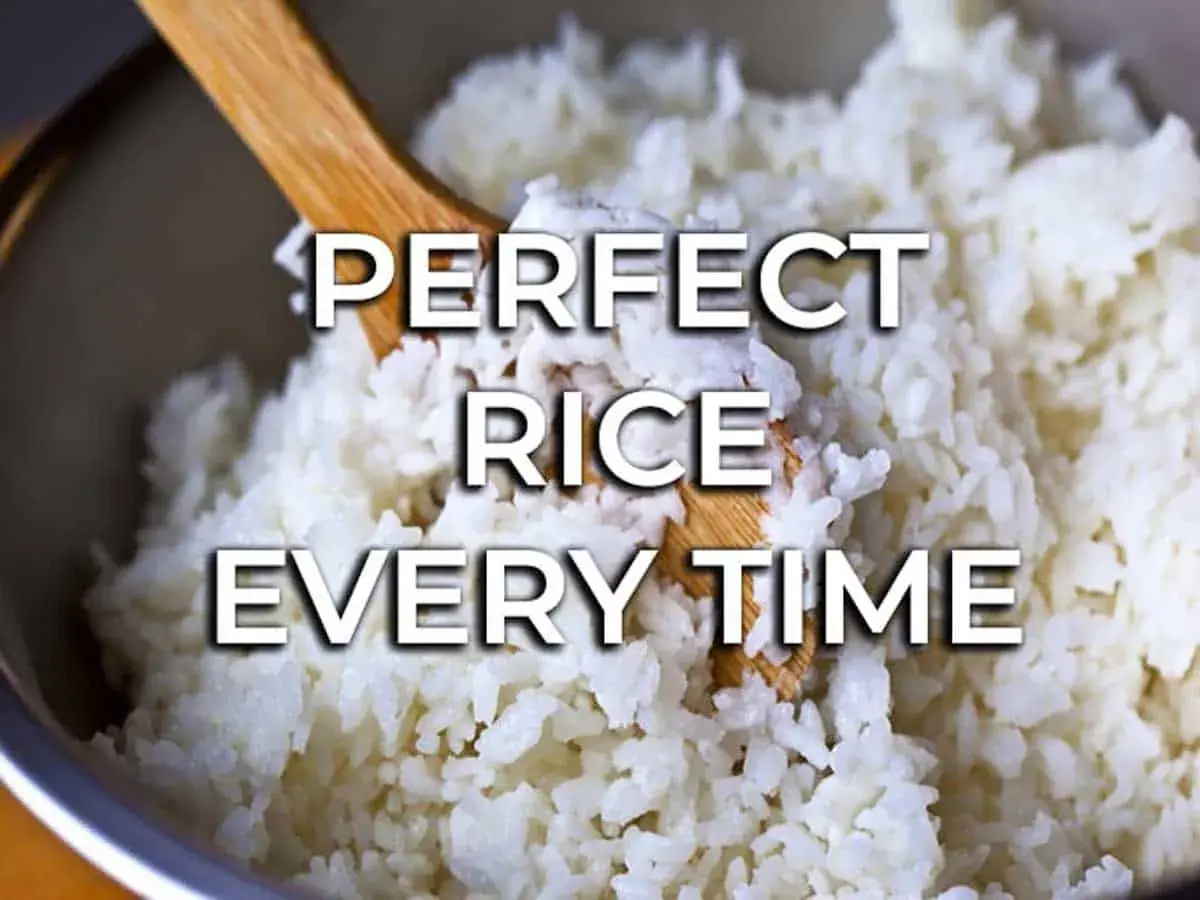
Rice only looks simple until a pot goes wrong. This guide focuses on the parts that matter in a real UK kitchen: choosing the right grain, measuring the water properly, deciding when to rinse, and using fresh produce to build flavour without making the rice heavy or sticky. I also show how I turn plain rice into something that sits comfortably beside Basque-style peppers, tomatoes, garlic and chorizo.
The quickest route to properly cooked rice is choosing the right grain and respecting the ratio
- Use long-grain or basmati rice when you want separate, fluffy grains.
- For everyday stovetop rice, I measure by weight and keep the liquid ratio consistent.
- Rinse lightly if the grain is dusty or especially starchy, but do not overdo it.
- Salt, fat and a good pan matter more than most people expect.
- Fresh produce should add flavour, not waterlogged bulk.
- Cooked rice needs prompt cooling and sensible storage if you want leftovers to stay safe.
Start with rice that suits the dish
When I cook rice, I start with the end use, not the packet. A fluffy side needs a different grain from a soft, clingy bowl rice, and a Basque-inspired dish needs enough structure to hold tomatoes, peppers and stock without collapsing into paste. If you buy the wrong type, no amount of clever seasoning will fully fix it.
| Rice type | Best for | Water for 250g rice | Typical simmer time |
|---|---|---|---|
| Long-grain white | Everyday sides, pilafs, rice with vegetables | 375ml | 10-12 minutes |
| Basmati | Fluffy grains, aromatic dishes, spiced rice | 375ml | 10-12 minutes |
| Brown rice | Nuttier sides and higher-fibre meals | 500ml | 25-35 minutes |
| Short-grain | Clingier dishes and softer textures | 325-350ml | 12-15 minutes |
I usually reach for basmati or long-grain rice if I want the grains to stay distinct. Brown rice is worth using when you want more chew and a deeper, nuttier flavour, but it needs patience. The bran layer is still attached, so the grain takes longer to hydrate and usually asks for more water. Once you understand that difference, the rest of the process becomes much less mysterious.
Choose ingredients that support the grain, not fight it
The ingredient list matters more than the cooking trick. A good pan of rice does not need a long list, but it does need the right balance of water, salt, fat and produce. I think of the rice as the structure and the ingredients around it as the flavour map. If the structure is weak, the flavour has nowhere to land.
| Ingredient | What it does | My preference |
|---|---|---|
| Salt | Seasons the grains from the inside | Fine sea salt, added to the water |
| Fat | Helps the grains stay separate and adds roundness | Olive oil for a lighter result, butter for a softer finish |
| Stock | Gives depth without extra effort | Light chicken or vegetable stock, preferably not too salty |
| Aromatics | Build the base flavour | Onion, garlic, bay leaf, sometimes a little celery |
| Produce | Adds colour, sweetness and freshness | Red peppers, tomatoes, spring onions, peas, parsley |
| Regional seasoning | Gives a Basque note | Espelette pepper or a mild smoked paprika |
In a UK kitchen, I like to stay close to what is easy to buy well. Fresh peppers and onions are reliable year-round, but tomatoes deserve more judgement. In late summer, ripe British tomatoes can be excellent; in colder months, good tinned tomatoes or roasted peppers often give a better result than pale, watery fresh ones. That kind of substitution is not a compromise, it is good cooking.
If you want the rice to carry more flavour without turning into a stew, cook the aromatics first and add the produce in the right order. Onion and garlic go in early. Peppers need enough time to soften. Tomatoes need enough heat to lose their raw edge. Delicate herbs come at the end. That sequence keeps the dish clean rather than muddy.
Cook it on the hob with the absorption method
The absorption method is the one I trust most for everyday rice. It means the rice cooks in a measured amount of liquid that is fully absorbed by the end, rather than being drained away. The technique is simple, but the details matter: the heat must be low, the lid must stay on, and the rice must rest before serving.
- Rinse the rice briefly in cold water until the water looks less cloudy. If the rice is polished and clean, one quick rinse is enough.
- Put the rice in a heavy-bottomed pan with the measured water or stock, salt and fat.
- Bring it to a boil, then turn the heat right down as soon as it starts bubbling steadily.
- Cover the pan tightly and simmer without stirring.
- Cook for 10-12 minutes for basmati or long-grain white rice, or 25-35 minutes for brown rice.
- Take the pan off the heat and leave it covered for 5-10 minutes.
- Fluff the grains gently with a fork, not a spoon.
I avoid stirring during the simmer unless I am making a deliberately creamy dish. Stirring releases starch and pushes the rice toward a sticky texture. If I want the grains to stay separate, I let the lid do the work. A towel under the lid can help catch condensation, but it is not essential if your pan seals well. The real goal is to keep steam inside and heat low enough that the bottom does not scorch.

Give plain rice a Basque-style character
Basque cooking is a useful lens for rice because it treats produce as the main event, not a garnish. I like to start with olive oil, onion and garlic, then add sliced peppers and let them soften properly before the rice goes in. If I want a deeper red colour, I add tomatoes and cook them down until they are glossy rather than wet. That is the difference between a bright side dish and a sloppy one.
For a straightforward Basque-style rice, I would build it like this:
- Sauté 1 finely chopped onion in 2 tablespoons of olive oil.
- Add 1 diced red pepper and 1 diced green pepper, then cook until softened.
- Stir in 2 minced garlic cloves and 1 teaspoon of tomato purée.
- Add 250g basmati or long-grain rice and coat the grains in the oil for 1 minute.
- Pour in 375ml hot stock, plus salt if needed, and a pinch of Espelette pepper or smoked paprika.
- Cover and cook as normal, then finish with parsley and a little lemon zest if you want freshness.
This is also where produce choice makes the biggest difference. A sweet pepper that actually tastes sweet, a ripe tomato, and a decent onion will do more than an expensive spice blend. If you want a fuller plate, add chorizo, chicken or white fish, but keep the rice itself clean enough to absorb the sauce instead of disappearing under it.
That approach feels close to the spirit of Basque home cooking: generous, direct and built around what the market gives you. A good rice dish does not need to be showy; it needs to be balanced, and the vegetables need to taste like themselves.
Watch for the mistakes that make rice heavy or split
Most bad rice comes from a handful of predictable errors. I see the same problems again and again: too much water, too much stirring, too much heat, or a pan that leaks steam. The result is either gluey grains or rice that is dry on top and stubborn at the bottom. None of that is a mystery once you know where it starts.
- Using the wrong ratio makes the grain collapse or stay underdone. If the packet ratio differs, trust the packet.
- Lifting the lid too often lets steam escape and stretches the cooking time.
- Boiling too hard breaks the grains and scorches the base.
- Over-rinsing can remove too much surface starch and some flavour, especially on small batches.
- Overloading with wet vegetables adds excess moisture that the rice never fully absorbs.
If the rice is underdone, I add 2 or 3 tablespoons of hot water, cover the pan again and give it another few minutes on very low heat. If it is a little wet at the end, I take the lid off for a minute or two and let the steam escape before fluffing. If the bottom has caught, I do not scrape that part through the whole pan. I lift the good rice off the top and leave the scorched layer behind. That saves an otherwise good batch.
Handle leftovers safely and use them well
Cooked rice is one of those foods that rewards good habits. In the UK, the safest approach is simple: cool it promptly, refrigerate it as soon as it is no longer steaming, and do not leave it sitting out on the counter for long. I treat leftover rice as a short-lived ingredient, not something to forget about in the fridge for days.
Once it is cold, I use it in ways that make sense for the texture. Fried rice works because slightly dried grains fry better than fresh ones. Rice salads work because cold grains hold dressing without going soggy. You can also fold leftovers into soups, use them under grilled fish, or reheat them with a little stock and vegetables for a quick lunch. What I would not do is keep reheating the same batch again and again. Rice wants respect, not repeated temperature swings.
If I know I will have leftovers, I spread the rice in a shallow container so it cools faster, then seal it and chill it. That small step matters more than people think. It protects the food and also makes the next meal easier, because cold rice is usually better for frying than rice that has been overhandled.
The few habits that make rice reliable every time
When I strip everything back, good rice comes down to four habits: use the right grain, measure the liquid properly, keep the heat low, and let the rice rest before you touch it. The produce around it should add character, not moisture for its own sake. That is why a simple mix of peppers, onion, tomato and a little Espelette pepper can work so well: the flavours are direct, and the grain still has room to shine.
If you remember only one thing, remember this: rice is far easier when you stop guessing. A scale, a measuring jug and a lid that fits properly will do more for your results than any clever shortcut. From there, you can build towards richer, more regional dishes without losing control of the texture.
For a Basque-inspired table, I would keep the rice plain enough to carry sauce, then let the market produce do the speaking. That gives you a side dish that feels intentional, not filler, and it works just as well on a Tuesday night as it does beside a more elaborate meal.
