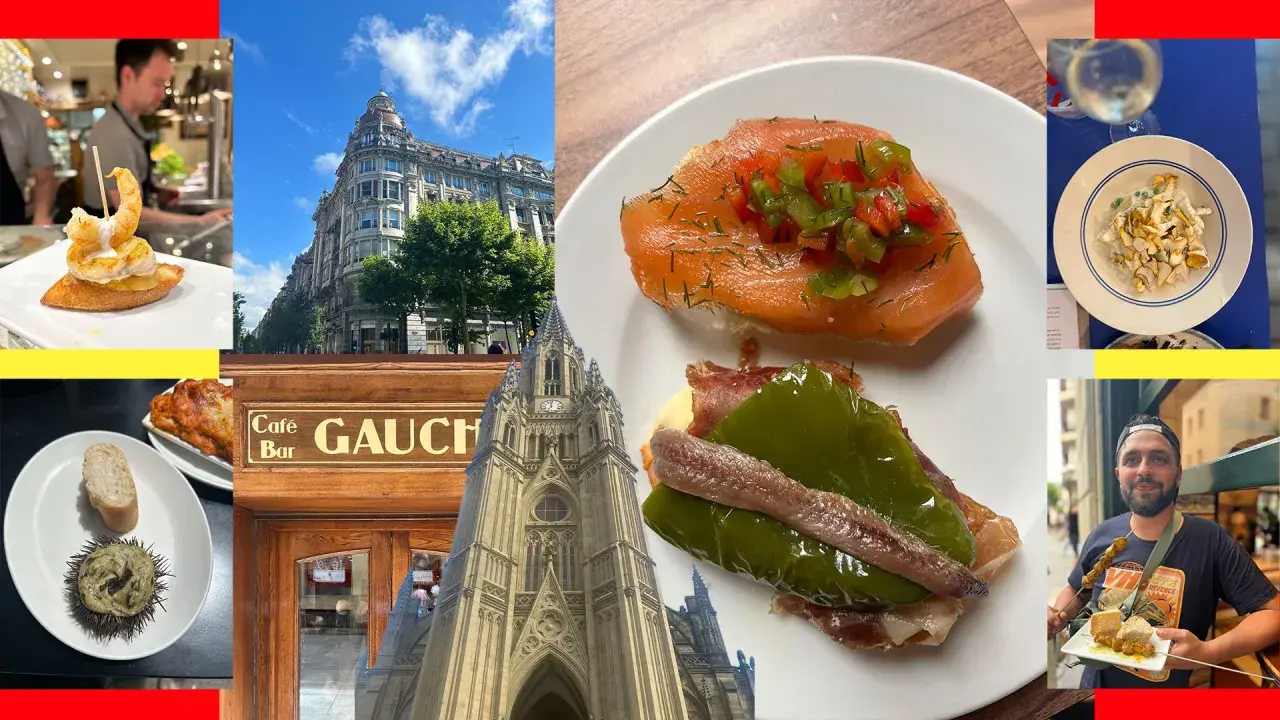
A smoked trout dip can do more than fill a gap before dinner. In a tapas or pintxos setting, it gives you something creamy, salty, and bright that feels relaxed but still deliberate, especially when you serve it with good bread, pickles, and a cold drink. I’m focusing here on the flavour balance, the best fish and dairy choices, how to turn the spread into neat pintxos, and which pairings keep it in step with Basque-style snacking.
The quickest way to keep the flavour bright and the serving neat
- Balance matters more than richness: smoke, acid, and cream should all be present, but none should dominate.
- Hot-smoked trout gives a flakier, more rustic result; cold-smoked trout feels smoother and saltier.
- Crème fraîche or thick Greek yoghurt keeps the finish lighter than an overloaded cream-cheese base.
- Small toast, oatcakes, or cucumber rounds work better than oversized crackers or thick bread.
- Pickled or sharp garnishes do real work here; they stop the dish from tasting flat.
- Dry, crisp drinks fit the board best, especially txakoli, English sparkling wine, or a clean cider.
Why it works on a tapas table
I like this kind of fish spread because it behaves like a bridge between comfort and restraint. The trout brings smoke and salt, the dairy brings coolness, and lemon or pickled garnish keeps the finish lively rather than heavy. On a tapas board, that balance matters: the bowl should invite another bite and another sip, not leave the palate coated.
I also prefer a version that still looks like fish when you scoop it. A little texture makes it feel more at home alongside olives, cured meats, marinated peppers, and other small plates that rely on contrast. If the mixture is whipped completely smooth, it starts to feel generic; when the flakes stay visible, it reads as a proper bar snack with a point of view. That is why the first real decision is not the garnish, but the trout itself and the base that carries it.
Choose the trout and the base you want
For four to six people, I usually start with about 200g smoked trout and build from there. If I want a softer, party-ready spread, I use more dairy; if I want something that tastes more like a pintxo topping, I keep it tighter and sharper. The type of trout changes the texture more than most people expect.
| Choice | What it gives you | Best use |
|---|---|---|
| Hot-smoked trout | Flakier texture, gentler smoke, more rustic bite | Best for toast, oatcakes, and boards where you want a more casual feel |
| Cold-smoked trout | Smoother, silkier, and usually a little saltier | Best when you want a more elegant spread with a finer finish |
| Crème fraîche | Bright, clean richness with good acidity | My default choice when I want the fish to stay central |
| Greek yoghurt | Lighter body and a sharper tang | Useful if you want the bowl to feel fresher and less rich |
| Cream cheese | More body and a thicker, more familiar texture | Best for a sturdier party spread that needs to hold shape |
My default formula is simple: trout, a tangy dairy base, lemon zest, a little lemon juice, chopped chives or dill, black pepper, and a spoon of capers or finely minced cornichons. I only add extra salt at the end, because smoked fish can already be salty enough on its own. Once that balance is right, the next job is to serve it like a pintxo rather than a bowl of spread.

Turn it into pintxos without losing the texture
Pintxos are about precision. I want one neat bite or two at most, not a mound that falls apart as soon as someone picks it up. The easiest approach is to toast the bread lightly, let it cool for a minute, spread a thin layer of the trout mixture, and finish with something sharp or green so each piece tastes complete.
- Cut the bread into small, even pieces so every bite feels deliberate.
- Toast it lightly; you want structure, not a dry crust that shatters.
- Spread just enough of the mixture to cover the surface without piling it high.
- Add one clear garnish, such as capers, dill, pickled shallot, or a thin slice of radish.
- If you are serving standing up, pin the bite with a toothpick so it behaves like a proper pintxo.
I keep the finish restrained. A few herbs, a little pickle, and maybe a touch of olive oil are enough. Too many toppings make the bite fussy, and the whole point of Basque-style snacking is that the food should feel easy to eat, not engineered. The same instinct for restraint applies to the bread and garnishes you choose next.
The breads and garnishes that suit a UK spread
British tables already have some excellent partners for this flavour, and I think oatcakes are often overlooked. The main rule is structural: choose something that stays crisp or at least stays honest once the spread lands on top of it.
| Base | Why it works | What I would put on it |
|---|---|---|
| Thin sourdough toast | Sturdy, familiar, and neutral enough to let the fish lead | Dill, lemon zest, capers, or a strip of pickled shallot |
| Rye crispbread | Earthy and crisp with a little bitterness | Chives, pepper, and finely chopped cornichons |
| Oatcakes | Nutty, Scottish, and surprisingly good with smoked fish | Cucumber ribbons, dill, and a tiny squeeze of lemon |
| Cucumber rounds | Fresh, cool, and useful when you want a lighter bite | Capers, parsley, and black pepper |
| Endive leaves | Neat shape with a bitter crunch that cuts richness | Pickled shallot, dill, or a little horseradish |
If I want the board to feel more Basque, I still lean toward bread or crispbread rather than sweet crackers. The garnish should always do one of three jobs: add acid, add crunch, or add freshness. Once the food is set, the drink is what pulls the whole thing into the Basque mood.
The drinks that keep it in the Basque mood
With smoked fish, I want drinks that cut through richness rather than fight it. Txakoli is the obvious Basque answer because of its freshness and slight fizz, but there are good UK-friendly options too. If you are pouring for a mixed group, the safest strategy is to stay dry, bright, and low on sweetness.
| Drink | Why it works | My note |
|---|---|---|
| Txakoli | Brisk, lightly sparkling, and ideal with coastal flavours | The most natural match if you want the board to feel authentically Basque |
| English sparkling wine | Dry acidity and enough lift to refresh the palate | My favourite UK-leaning option when the food feels a little more polished |
| Dry cider | Fruity but still clean if you choose one without residual sweetness | Works especially well with oatcakes and herbier versions of the spread |
| Pale lager or pilsner | Simple, cold, and good at resetting the palate | Best when the gathering is casual and the food needs to stay easygoing |
| Alcohol-free sparkling drink | Gives freshness without adding sugar or heaviness | Choose something dry; lemon and tonic work better than sweet mixers |
I would avoid oaky white wine, sweet rosé, and anything dessert-like in tone. Those choices flatten the smoke and make the dish feel heavier than it is. Once the pairings are right, the last thing to get wrong is timing.
Make-ahead rules and the mistakes I would avoid
This is a dish that improves with a short rest, but not with long storage. I find 30 to 60 minutes in the fridge after mixing is enough for the flavours to settle, and it is usually best within 24 hours. If you need to stretch it, 48 hours is the practical limit. Bring it out of the fridge about 15 to 20 minutes before serving so the texture loosens and the flavours wake up.
- Do not salt first and taste later; smoked fish often brings enough salt already.
- Do not blitz it until perfectly smooth if you want a pintxo-style texture.
- Do not overdo mayonnaise or cream cheese, or the bowl will taste flat and heavy.
- Do not skip acidity; lemon or pickle is what keeps the spread alive.
- Do not garnish too early with delicate herbs, because they wilt and lose their lift.
When those details are under control, the dish becomes something I would happily put out for guests without a second thought. The version below is the one I keep coming back to when I want the board to look effortless rather than overbuilt.
The pintxo-ready version I keep coming back to
For four to six guests, I mix 200g smoked trout with 125g crème fraîche, 1 teaspoon Dijon mustard, 1 tablespoon capers, the zest of 1 lemon, 1 to 2 teaspoons lemon juice, 1 tablespoon chopped chives, and plenty of black pepper. I fold the fish in rather than beating it smooth, then finish the top with a few larger flakes, a little dill, and a ribbon of pickled shallot if I want the board to feel sharper.
That version works because it keeps the fish at the centre and gives you the balance tapas and pintxos need: salty, bright, creamy, and easy to eat in two bites. If you get that balance right, the rest is just choosing the right bread, the right glass, and the right moment to set the board down.
