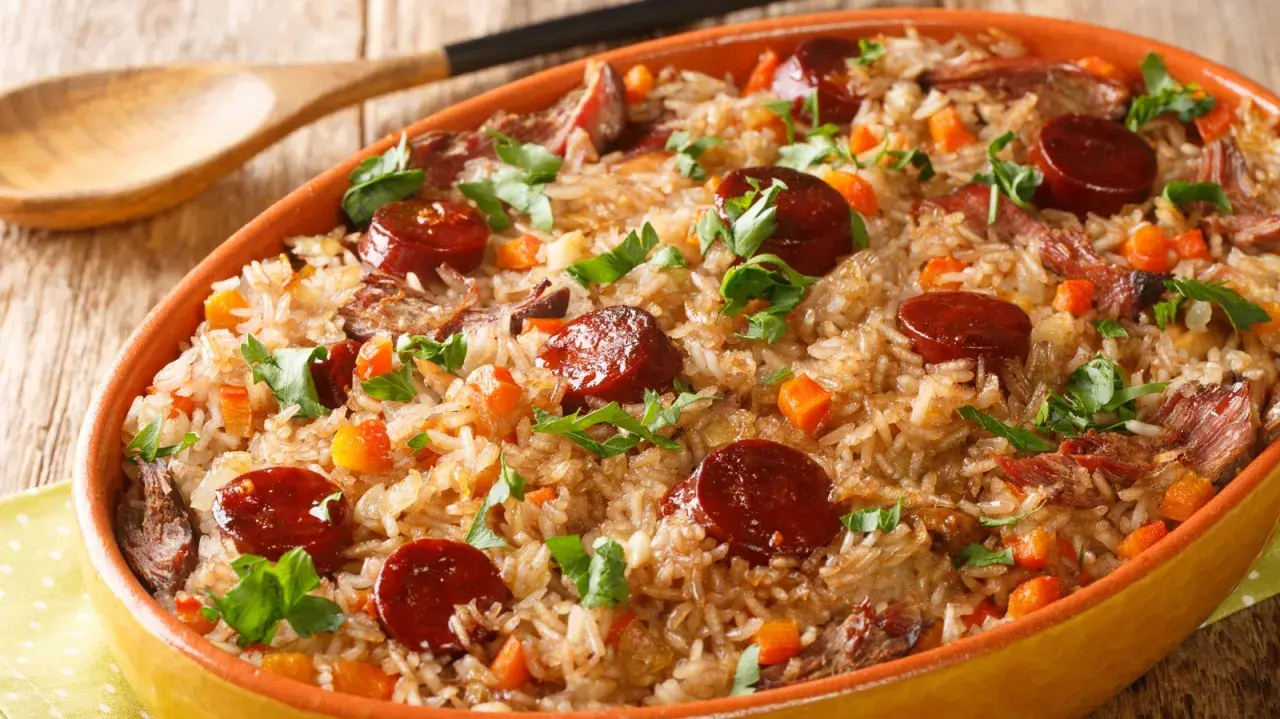
Sauteed chorizo works because the sausage does half the seasoning for you. As soon as it hits a warm pan, the paprika-rich fat starts to melt, the edges colour quickly, and the whole kitchen gets that smoky, garlicky aroma that makes the dish feel complete before you have added anything else. The only real catch is knowing whether you are working with dry-cured chorizo or raw cooking chorizo, because the pan behaves very differently with each one.
What matters most when you cook it quickly
- Dry-cured chorizo only needs a brief fry to brown and release its oil.
- Raw cooking chorizo must be cooked through, not just coloured on the outside.
- Medium heat usually gives the best balance of crisp edges and a juicy centre.
- Onions, peppers, beans, eggs, potatoes, and a little acid keep the flavour balanced.
- In the UK, I follow the Food Standards Agency’s general sausage advice: steaming hot all the way through, with no pink centre.
Why chorizo behaves so well in a pan
The reason this ingredient works so fast is simple: the sausage already comes packed with smoke, salt, garlic, and paprika. When the fat renders, it carries those flavours across the pan, so even a small amount can season onions, potatoes, beans, or rice without much extra effort. I tend to treat it less like a heavy meat course and more like a flavour base with bite.
| Type | What it is like | What happens in the pan | Best use |
|---|---|---|---|
| Dry-cured chorizo | Firm, ready to eat, often sliced | Browns in 3 to 5 minutes and releases red oil | Tapas, toast, eggs, pasta, quick skillet dishes |
| Raw cooking chorizo | Softer, sausage-like, must be cooked through | Needs longer over medium heat, usually 6 to 10 minutes depending on thickness | Beans, stews, rice, traybakes, one-pan suppers |
If I buy it in a UK supermarket, I check the label first and cook accordingly. That one habit prevents most of the common mistakes, and it leads straight into the part that matters most: getting the texture right rather than just heating it.
How I cook it for the best texture
For dry-cured chorizo, I slice it about 5 mm thick and start it in a dry frying pan over medium heat. I do not rush it. In 3 to 5 minutes, the edges should darken slightly and the fat should start pooling in the pan; that is the moment when I add onions, peppers, tomatoes, or beans if I am building a dish. For raw cooking chorizo, I keep the heat a little lower and cook longer, usually 6 to 10 minutes depending on the size of the sausage, until the centre is no longer pink and the meat is properly hot through.
- Slice or crumble the sausage, depending on the dish you want to build.
- Start with a medium pan rather than a fierce one.
- Let the fat render before adding extra oil.
- Add a small splash of water, wine, or stock only if the pan dries out.
- Finish with something bright, such as vinegar, lemon, or a dry white wine reduction.
I almost never salt the pan at the start, because chorizo usually brings enough of its own seasoning. If you are using raw sausage, the Food Standards Agency’s general benchmark for sausages is 70°C for 2 minutes, and I treat that as a practical safety line rather than a suggestion to keep guessing. Once the texture is right, the next question is what to put beside it so the flavour stays clean instead of heavy.
What to cook with it when you want balance
Chorizo is bold enough that it needs contrast. In a Basque-inspired kitchen, I like it best when it sits inside a larger plate rather than dominating it. Sweetness, starch, and acidity do most of the balancing work, and on a British table that usually means bread, eggs, beans, or potatoes.
| Pairing | Why it works | My favourite way to use it |
|---|---|---|
| Onions | They soften the salt and add sweetness | Cook them in the rendered fat until pale gold |
| Roasted peppers | They keep the plate bright and slightly sweet | Fold them through a skillet or serve them on toast |
| Butter beans or chickpeas | They absorb the paprika oil and make the dish more filling | Warm them with garlic and parsley for a quick supper |
| Eggs | The yolk softens the spice and salt | Top with a fried egg or fold into a tortilla-style plate |
| New potatoes | They give structure without making the dish heavy | Crisp them first, then toss with sliced chorizo |
| Dry white wine or cider | It lifts the pan and loosens the browned bits | Use it as a quick deglaze at the end |
My quickest formula is very simple: chorizo, softened onions, a handful of roasted peppers, and a tin of beans, finished with parsley and bread. It feels modest, but that is exactly why it works. The ingredients do not fight each other, and that balance keeps the dish from tipping into grease, which is where the common mistakes start to show up.
The mistakes that flatten the flavour
The biggest mistake is adding too much oil. Chorizo already renders plenty of fat, so extra oil usually makes the result slick rather than savoury. The second mistake is crowding the pan: if the slices overlap, they steam before they brown, and you lose the crisp edge that gives the sausage its best texture.
- Using very low heat. The sausage never develops proper colour, so the flavour stays flat.
- Cooking only until the outside looks done. That works for cured chorizo, but not for raw cooking chorizo.
- Salting too early. You often do not need it until the end, if at all.
- Letting the rendered fat burn. Once the pan starts smelling harsh, the dish loses its sweetness.
- Skipping acidity. A splash of wine, vinegar, or lemon gives the final dish lift.
If the pan ever looks heavy, I deglaze it with a splash of dry white wine or cider and let it reduce for about 30 seconds. That small move turns a greasy skillet into a glossy sauce, and it is one of the reasons this ingredient works so well in fast cooking. Once those traps are out of the way, serving it becomes the enjoyable part.

A Basque-inspired way to serve it at home
When I want the dish to feel properly tied to Basque cooking, I think in small plates and strong contrasts. A pintxo-style bite does not need much: warm chorizo, blistered peppers, a piece of bread, and something green or acidic to sharpen the edge. That approach respects the sausage instead of burying it under unnecessary extras.
- On toasted sourdough with roasted peppers and a drizzle of olive oil for an easy pintxo.
- With butter beans and parsley for a quick one-pan supper that feels complete.
- With fried eggs and potatoes for a brunch plate that carries real weight.
- With a dry white wine if you want the richness to stay lively rather than heavy.
If I am building a plate for guests, I keep the portions modest and the flavours direct. That is the Basque lesson I keep coming back to: strong ingredients do not need much decoration, just a sensible frame. Any leftovers are best treated the same way, which is why I always think about the next meal before I finish the first.
How to keep leftovers useful the next day
Cooked chorizo keeps best in a sealed container in the fridge after it has cooled down properly. I reheat it once, and I reheat it until piping hot rather than warming it lazily on the side. If I have a small amount left, I do not treat it as a leftover in the usual sense; I treat it as a flavour base for lunch.
- Cool it quickly before refrigerating.
- Use it within 2 to 3 days for the best flavour and texture.
- Reheat only once, and make sure it is hot all the way through.
- Add a little water or stock if the pan has dried out overnight.
- Stir it into lentils, scrambled eggs, chickpeas, or beans rather than serving it plain again.
If I had to leave you with one practical rule, it would be this: chorizo is strongest when you use it to season a larger dish, not when you drown it in extras. Keep the heat steady, choose the right type for the job, and give it something soft, starchy, or acidic to lean against. That is the difference between a greasy pan of sausage and a small plate worth repeating.
