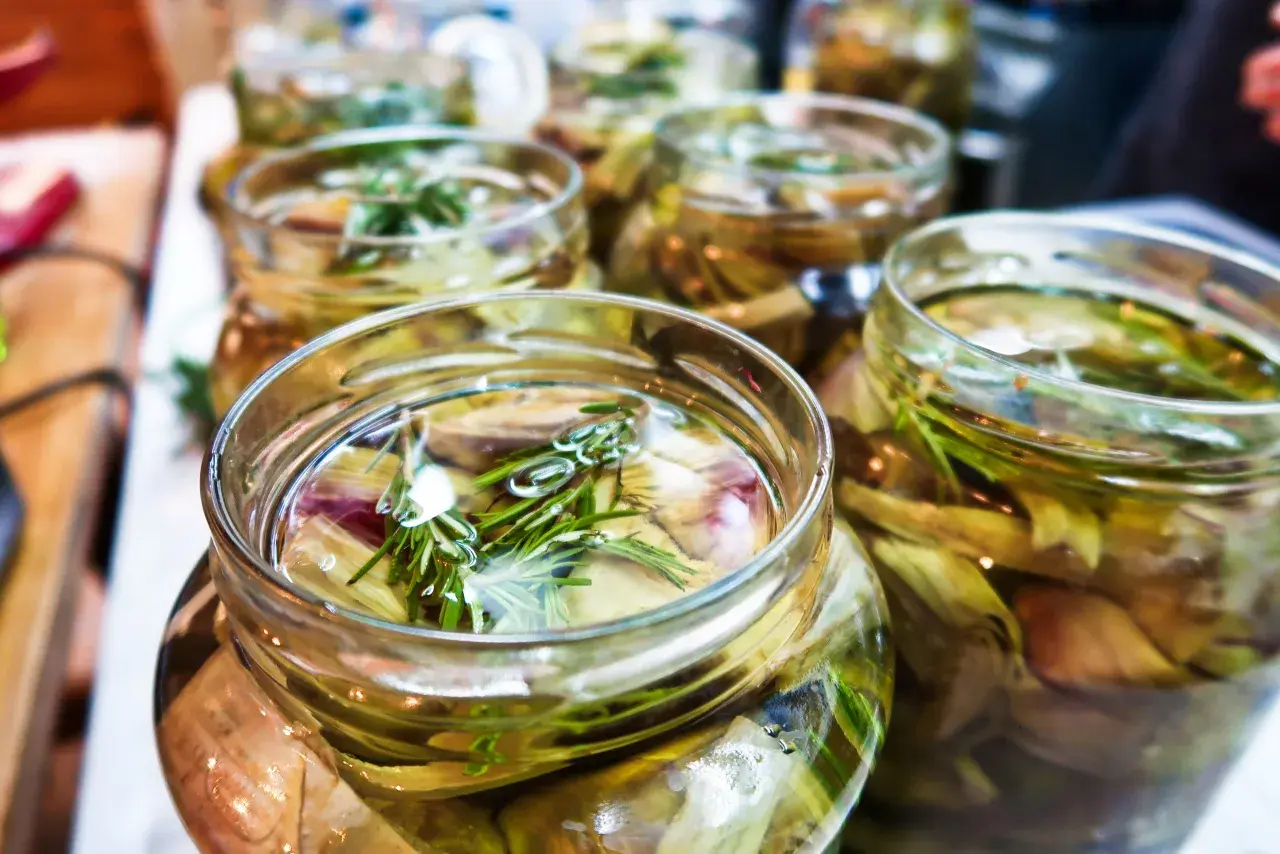
Preserved artichokes are one of those ingredients that can rescue a simple plate when you need acidity, bite, and a little Mediterranean character. A good pickled artichoke gives you the same two things every cook wants from a pantry staple: brightness and texture. In this guide I explain how the jarred versions differ, how I use them in Basque-inspired cooking, what to check on a UK label, and when a quick rinse helps more than it hurts.
The practical takeaways at a glance
- Brine-packed artichokes are usually firmer and saltier; vinegar-packed ones taste sharper and more direct.
- Oil-marinated jars are rounder and better for serving straight from the jar or building a pintxo board.
- For most home cooks, smaller hearts or baby artichokes are the most useful format.
- In the UK, supermarket jars often sit around £2.45 to £5.50, while specialist deli packs can cost noticeably more.
- Once opened, I treat them as a chilled condiment and follow the label rather than assuming they will keep like a dry pantry item.
- If you preserve them at home, acidity is the safety checkpoint; if you cannot verify it, refrigerate the jar.
What preserved artichokes actually bring to the table
When I talk about preserved artichokes, I am usually talking about the tender hearts or baby artichokes packed in brine, vinegar, or a seasoned oil finish. The point is not just convenience. Preservation changes the vegetable in a useful way: it softens the vegetal edge, adds salinity, and makes the texture ready to use without any peeling, trimming, or long cooking.
That matters because artichokes can be awkward in their fresh form. They are seasonal, they oxidise quickly once cut, and they ask for a bit of work before they reward you. A jar removes that friction. You get a ready-made ingredient with enough character to stand up in salads, small plates, pasta, or warm dishes, but still mild enough to let other flavours lead.
I also think it helps to separate the ingredient from the romance. Preserved artichokes are not there to dominate a dish. They are there to sharpen it. Their job is to add a savoury note, a clean acidic lift, and a little chew. That is why they sit so naturally beside olive oil, lemon, anchovy, eggs, beans, and roasted peppers. Once you know what the jar is giving you, the next question is which preserving liquid fits the dish.
Brine, vinegar and oil packed versions
The words on the label matter more than most people realise. A jar in brine behaves differently from one in vinegar, and both are different again from an oil-marinated version. I choose between them based on the dish, not on habit.
| Style | Flavour | Best use | What I look for |
|---|---|---|---|
| Brine-packed | Salty, clean, slightly restrained | Salads, warm vegetable dishes, bean salads, pasta | Firm pieces and a fresh, not stale, aroma |
| Vinegar-packed | Sharper, brighter, more obvious acidity | Pintxos, antipasti, rich meats, oily fish | Acidity that feels lively rather than harsh |
| Oil-marinated | Rounder, softer, more aromatic | Bread, boards, tapas-style snacking, cold starters | Good oil, intact pieces, and a short ingredient list |
For cooking, brine-packed hearts are often the most flexible because they leave you room to control the final seasoning. Vinegar-packed jars are stronger and can be brilliant when you want contrast, especially with fatty fish or cured ingredients. Oil-marinated artichokes are the most immediate to serve, but they are also the easiest to overuse; the oil can smooth everything out if you do not balance it with something sharp or salty.
That distinction matters because the same jar can taste brilliant in one dish and flat in another. Once you know the flavour profile, the next step is thinking about where preserved artichokes actually shine on the plate.

How I use them in Basque inspired dishes
Basque cooking has a practical confidence that I admire: it uses a few strong ingredients and keeps the flavours honest. Preserved artichokes fit that style well because they bring acidity without needing a heavy sauce. They also work naturally on a pintxo board, where each bite needs a clear purpose.
- On toasted bread with tuna and piquillo peppers - this is the simplest way to make them feel like a proper pintxo. The artichoke adds lift, the tuna adds body, and the pepper gives sweetness.
- With anchovies and olives - I like this when I want a salty, minimal bite. The artichoke softens the intensity of the anchovy without dulling it.
- Folded into white bean salad - beans need acid and texture, and artichokes do both. A little parsley and olive oil is usually enough.
- Beside grilled hake or cod - the jarred flavour works as a bright counterpoint to mild fish. This is where vinegar-packed pieces can be especially useful.
- Mixed into potato salad - if the potatoes are waxy and the dressing is light, the artichokes keep the dish from tasting heavy or bland.
I also like to slice larger hearts into wedges before serving them. That gives a nicer shape for a board and makes them easier to pair with other small bites. If I have oil-marinated pieces, I usually keep the rest of the plate fairly dry: bread, tomatoes, peppers, cured fish, or beans. That keeps the artichokes from disappearing into their own oil. From there, the only real question is how to buy a jar that is worth bringing home.
What to look for when buying them in the UK
In UK shops, artichokes are usually filed under antipasti, pickles, olives, or Mediterranean groceries rather than sitting near fresh produce. I would start by checking the size and the packing medium before anything else. Hearts and quarters are the most useful everyday formats; whole baby artichokes look lovely, but they are less versatile if you are cooking for more than a few people.
Price is another useful clue. Current UK listings show supermarket jars commonly around £2.45 to £5.50, while specialty or deli-style packs can climb to around £10 or more for a 290g jar. In practice, that premium is usually paying for origin, packaging, or a more polished oil marinade, not necessarily for a dramatically better ingredient. I am happy to pay more when I am serving them straight, but for cooking I usually stay in the middle of the range.
A label checklist helps more than branding does:
- Look for a short ingredient list if you want a cleaner flavour.
- Avoid jars with broken, mushy, or very pale pieces if you want a decent bite.
- Choose brine if you plan to season the dish yourself.
- Choose vinegar or oil if the artichokes are meant to be the flavour accent, not just one component.
- Check whether the jar is hearts, quarters, or whole baby artichokes, because that changes how far the jar will go.
If I had to pick just one habit, it would be this: buy the jar that looks like an ingredient, not a display piece. That usually gives you better texture and less disappointment later. Once the jar is in your kitchen, the next challenge is handling it properly so the flavour stays sharp.
How to store, rinse and finish them without flattening the flavour
Once opened, I keep artichokes chilled and tightly covered, and I use a clean fork instead of reaching in with fingers. That sounds obvious, but it matters more than people think. The more you keep the jar clean and cold, the longer the texture stays decent and the liquid stays useful.
A light rinse can help if the artichokes are very salty or aggressively vinegary, but I would not wash them into blandness. If you rinse, do it briefly, then pat them dry so they do not water down a salad or make toast soggy. For serving, I often let them sit for a few minutes at room temperature with a drizzle of olive oil and a twist of pepper. That takes the edge off without stripping away the preservation flavour.
Read Also: Garlic Confit - Sweet, Safe, and Simple to Make
If you make your own jar at home
I would be careful here. For shelf-stable preserves, acidity is not decorative; it is the control point. UK food-safety guidance treats pH 4.5 as the important line for safe shelf stability in pickles and similar preserves, so if you cannot verify that level, I would keep the artichokes refrigerated and treat them as a short-life preserve rather than a pantry jar.
That is the main reason homemade preserved artichokes work best as a fridge project unless you are following a tested preserving method. The flavour can be excellent, but only when the process is disciplined. That same discipline is what makes them so useful on a Basque-style board: they reward restraint and good timing.
The pantry note I keep in mind when artichokes meet a pintxo board
The best jars are not the fanciest ones. They are the ones that taste balanced enough to cut through olive oil, salty enough to stand beside anchovies, and firm enough to stay useful after opening. For a Basque-style spread, I would pair preserved artichokes with bread, peppers, olives, and a dry white pour such as txakoli; that combination lets them act as a bridge rather than a distraction.
If I had to reduce the whole subject to one practical rule, it would be this: use the jar as a source of brightness, not as a shortcut to monotony. When the texture is right and the acidity is in balance, artichokes in brine or vinegar become one of the easiest ways to make a simple plate feel deliberate.
