There are plenty of fennel recipes that treat the bulb as a side note, but the ones worth keeping do something more interesting: they make fennel taste crisp, sweet, and quietly aromatic without hiding its character. I like it raw in salads, roasted with tomatoes or fish, and braised until it turns silky enough to sit beside a proper main course. This article focuses on the dishes that work best, how to prep the bulb, and how to use fennel in a way that feels natural in a Basque-leaning kitchen built around seafood, olive oil, and seasonal produce.
What matters most when cooking with fennel
- Raw fennel is best sliced very thin and balanced with lemon, orange, vinegar, or another sharp element.
- Roasting and braising soften the bulb and bring out a rounder, sweeter flavour.
- The fronds are useful, not decorative waste: save them for garnish, herb oil, or a quick pesto.
- Fish, tomatoes, potatoes, olives, beans, and mild cheese are the safest, most useful pairings.
- Small to medium bulbs usually give a cleaner texture than oversized, woody ones.
Why fennel earns its place on the plate
Fennel is one of those ingredients that behaves like three different foods at once. The bulb gives you crunch and substance, the fronds act like a soft herb, and the seeds bring a warmer, toastier note that reads quite differently from the fresh vegetable. That versatility is exactly why I keep coming back to it when I want a dish with freshness and structure in the same bite.
Raw fennel is sharp, clean, and almost juicy; cooked fennel turns mellow, tender, and lightly sweet. That shift matters because it lets the same ingredient work as a starter, a side dish, or part of a main course. In a Basque-style kitchen, that is a real advantage: fennel can cut through oil, support white fish, or soften into the base of something more comforting without losing itself.
Once you understand that range, choosing the right dish becomes much easier, because fennel is at its best when the cooking method matches the mood of the meal.

The dishes that make fennel shine
When I’m deciding what to cook with fennel, I think in textures first. Some dishes should stay sharp and refreshing; others should let the bulb caramelise or melt down into the sauce.
- Shaved salads - Best for the crunch. Thin slices with lemon, orange, apple, radish, herbs, and a little olive oil give you the cleanest expression of fennel. This is the version I’d serve before fish or alongside grilled seafood.
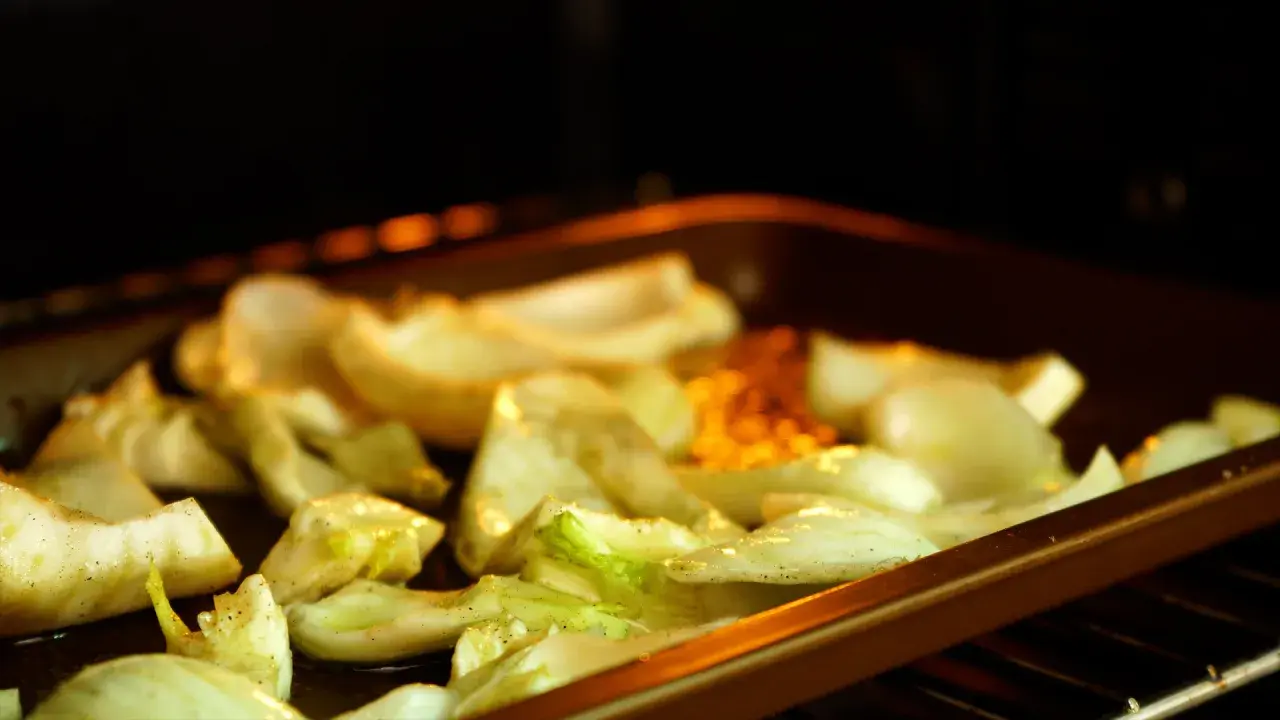
- Roasted tray bakes - Fennel wedges become softer and sweeter in the oven, especially with tomatoes, onions, olives, potatoes, or a piece of hake or cod. It’s the easiest way to move from vegetable to dinner.
- Braised sides - A splash of white wine or stock, then gentle heat, turns the bulb into something silky. I like this with roast chicken, pan-fried fish, or a bean dish that needs a little lift.
- Soups and veloutés - Fennel brings body without heaviness. It works especially well with potato, leek, pea, or shellfish, where you want an aromatic base but not an aggressive flavour.
- Pasta and risotto - Use fennel when you want depth rather than sweetness alone. It is strong enough for sausage or anchovy, but also good with mushrooms, lemon, parsley, and a little cheese.
- Pickles, relishes, and chutneys - A quick pickle or chutney gives fennel a second life on cheese boards, in sandwiches, or next to grilled meat. It is one of the easiest ways to avoid waste if you have a spare bulb or extra fronds.
The pattern is simple: the fresher and lighter the dish, the thinner you should slice it; the warmer and richer the dish, the more you can let fennel cook down and sweeten. That leads naturally into prep, because the cut changes everything.
How I prep fennel without losing the good bits
The first mistake I see is treating the whole plant as equal. The bulb is the centrepiece, the fronds are a herb, and the stalks are better for stock or a long simmer than for a delicate salad.
In the UK, I find fennel is usually at its best when the bulbs are firm, pale, and tightly layered. If the base feels soft or the cut surfaces have browned heavily, I move on. A good bulb should feel heavy for its size and hold its shape when sliced.
| Part | Best use | Practical note |
|---|---|---|
| Bulb | Salads, roasting, braising, soups | Trim the root, remove any tough outer layer, and cut according to the dish. |
| Fronds | Garnish, herb oil, pesto | Add at the end so the flavour stays fresh and green. |
| Stalks | Stock, soup base, slow-cooked dishes | They are usually too fibrous for centre-stage cooking. |
| Seeds | Sausages, bread, tomato sauces, spice rubs | Toast briefly before using to wake up the aroma. |
For raw dishes, I slice the bulb as thinly as I can and dress it straight away so it stays lively. For roasting, I cut wedges so the edges can catch some heat without the centres disappearing. For soups or sauces, I chop it smaller than I would for a salad, because the goal is flavour distribution, not crunch.
If you want the cleanest result, trim away the very hard core at the base and do not overcrowd the pan. Fennel needs room to brown; crowded pieces steam, and steamed fennel can become flat in both texture and flavour. That matters even more when you start pairing it with richer ingredients.
The pairings that make fennel taste balanced
Fennel is at its best when the rest of the plate gives it something to lean on. I usually build around acid, salt, and one comforting element so the flavour stays clear rather than sweet and vague.
- Citrus and herbs - Lemon, orange, grapefruit, parsley, mint, dill, and fennel fronds keep raw fennel bright. This is the combination that makes the bulb feel almost springlike, even in a heavier meal.
- Seafood - Hake, cod, sardines, trout, salmon, and shellfish all sit naturally with fennel. In a Basque-style kitchen, this is the most convincing pairing because fennel supports fish instead of overpowering it.
- Tomatoes, olives, and capers - These ingredients bring salinity and depth. Together they turn fennel from a crisp vegetable into part of a fuller Mediterranean plate.
- Potatoes, beans, and leeks - These are useful when you want a more substantial dish. They give fennel a soft, earthy base and keep the result grounded.
- Cheese and breadcrumbs - Parmesan, mild hard cheese, or toasted breadcrumbs are best when fennel needs structure and a little finish. This is the route I take for gratins and bakes.
- Pork, sausages, and cured meat - Fennel can handle richer flavours if you keep the seasoning disciplined. A little goes a long way, and that restraint stops the dish from feeling heavy.
When the pairing is right, fennel tastes less like a novelty vegetable and more like a built-in balancing tool. The main thing is not to drown it, which brings me to the mistakes worth avoiding.
Common mistakes that flatten fennel
Fennel is forgiving, but it punishes sloppiness in small ways. Most bad versions come from ignoring texture or treating the flavour as more fragile than it really is.
- Using it too thick in raw dishes - Thick slices can read as stringy or blunt. Thin slices take on dressing better and feel more elegant on the plate.
- Overcooking it into softness - Properly cooked fennel should be tender, but not collapsed into water. If it loses all shape, the sweetness is harder to taste.
- Forgetting acid - Lemon, vinegar, wine, or tomatoes usually improve fennel because they sharpen the anise note instead of letting it drift.
- Throwing away the fronds - They are not decorative fluff. Used well, they act like a gentle herb and give the dish a fresher finish.
- Using too much fennel seed with fresh fennel - The seed is useful, but it can easily dominate. If the bulb is already doing the work, keep the seed in the background.
- Going heavy on cream or cheese first - Richness can be good, but only after the fennel has had room to show its own flavour. Otherwise you end up with a generic gratin rather than a fennel dish.
Once you avoid those traps, fennel becomes much easier to use on a weeknight, which is exactly where I think it earns repeat use.
One bulb, three dependable dinner paths
If I want a reliable answer from a single bulb, I choose one of three routes: raw for brightness, roasted for sweetness, or braised for comfort. Each route gives you a different kind of dish, and each one fits a slightly different moment at the table.
| Route | Best use | What to serve with it |
|---|---|---|
| Raw and crisp | Salads, slaws, quick starters | Citrus, herbs, olive oil, fish, mild cheese |
| Roasted | Tray bakes, gratins, vegetable sides | Tomatoes, potatoes, olives, hake, cod, sausage |
| Braised | Soft side dishes, soups, saucy mains | White wine, stock, beans, leeks, breadcrumbs, Parmesan |
That is the version I trust most in real cooking: keep the bulb firm when you want crunch, let heat soften it when you want sweetness, and save the fronds so the dish finishes with something fresh. If you keep one fennel bulb, one lemon, and one good bottle of olive oil in the kitchen, you already have the start of a meal that feels deliberate rather than improvised.
