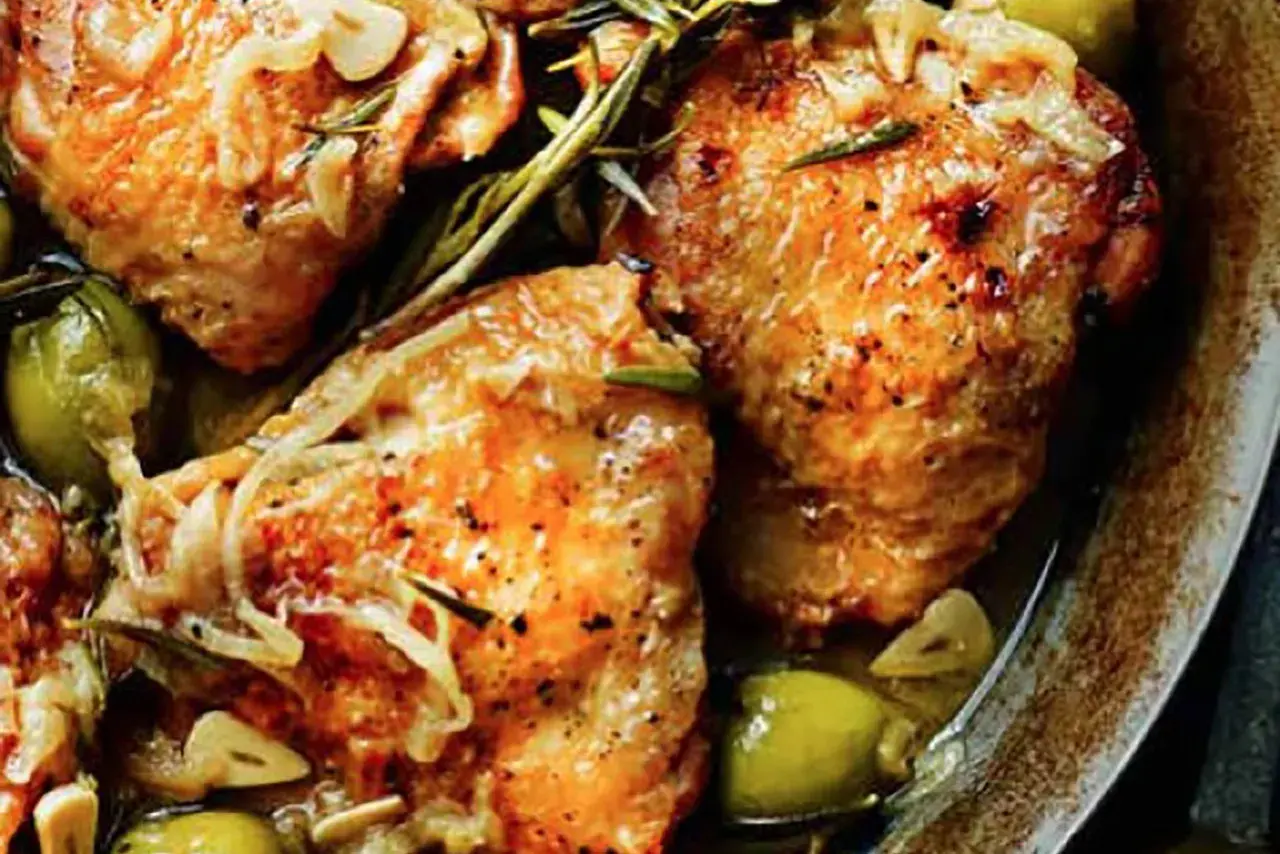
A good chicken tapa should be small, punchy, and easy to eat in two or three bites. In this article I focus on a Spanish-style version that keeps the flavours clean: smoked paprika, garlic, herbs, a little acidity, and a finish that works just as well on a skewer as it does on toast. You’ll get the recipe, the method I trust most, what to serve alongside it, and the mistakes that usually make the difference between juicy and forgettable.
Key details at a glance
- Serves 4 as tapas or 6 as part of a mixed small-plates spread.
- Marinate the chicken for at least 30 minutes, but 4 to 12 hours gives the best flavour.
- Boneless chicken thighs stay juicier than breast and are easier to cook evenly.
- A hot grill, pan, oven, or air fryer all work, but the grill gives the most tapas-bar character.
- Serve with aioli, toasted bread, olives, roasted peppers, or a simple salad for balance.
Why this works as a tapas dish
I think of tapas as the broader habit and pintxos as the Basque version with a tighter, more deliberate bite. Pintxos are often built on bread or held with a toothpick, which changes how you cook and plate the chicken. That matters here because the same recipe can feel rustic or polished depending on whether you serve it loose on a plate or neatly stacked on toast.
For me, the best small plate has three things in common: it cooks quickly, it tastes complete without a sauce doing all the work, and it can sit on the table for a few minutes without collapsing. This chicken ticks those boxes when the seasoning is balanced and the pieces are kept small enough to eat cleanly. Once you understand that, the ingredient list makes more sense.
The ingredients that carry the flavour
| Ingredient | Amount | Why it matters |
|---|---|---|
| Boneless chicken thighs | 600 g | Juicy, forgiving, and ideal for high-heat cooking. |
| Extra-virgin olive oil | 2 tbsp | Helps the spices coat the meat and encourages browning. |
| Garlic, finely grated | 2 cloves | Builds the savoury base without making the marinade heavy. |
| Smoked paprika | 1 tsp | Gives the dish its Spanish backbone and a gentle charred note. |
| Ground cumin | 1/2 tsp | Adds warmth and depth without overpowering the chicken. |
| Dried oregano | 1 tsp | Brings a dry herbal edge that feels right for tapas. |
| Sherry vinegar or lemon juice | 1 tbsp | Sharpens the flavour and keeps the meat tasting fresh. |
| Fine sea salt | 1/2 tsp | Pulls the seasoning together. |
| Black pepper | 1/4 tsp | Adds a clean finish. |
| Flat-leaf parsley, chopped | 1 tbsp | Brightens the final plate. |
| Optional dry sherry or honey | 1 tbsp sherry or 1 tsp honey | Sherry deepens the savoury profile; honey softens the edges if you want a rounder finish. |
I keep the list short on purpose. If the marinade starts to taste busy, the chicken loses the clean, smoky line that makes the dish feel Spanish rather than generic grilled chicken. In the UK, smoked paprika is easy enough to find, and if you can get piment d’Espelette, I’d use a pinch as a finishing note rather than a substitute for the paprika.
From there, the method is straightforward.

How to make it step by step
- Cut the chicken thighs into chunks about 2.5 cm wide. Keeping them even matters more than making them tiny.
- Mix the olive oil, garlic, smoked paprika, cumin, oregano, vinegar or lemon juice, salt, pepper, and parsley in a bowl.
- Coat the chicken well, cover it, and marinate for at least 30 minutes. If you have time, leave it in the fridge for 4 to 12 hours.
- If you want skewers, thread 4 to 5 pieces onto each one. If you want a more pintxo-style plate, keep the pieces loose and plan to serve them on toast or with toothpicks.
- Cook over a hot grill, in a heavy pan, or under a very hot oven grill for about 10 to 12 minutes total, turning once. The chicken is ready when the edges are lightly charred and the thickest piece reaches 74°C.
- Rest the chicken for 3 minutes, then finish with a little parsley and a squeeze of lemon.
I like this method because it keeps the seasoning on the surface where tapas flavour usually lives. A long braise would be the wrong move here; the point is quick heat, a browned edge, and a juicy centre. If your kitchen is small, the next section shows which cooking method I would choose first.
Which cooking method gives the best result
| Method | Approximate time | What you get | Best for |
|---|---|---|---|
| Hot grill | 10 to 12 minutes | Smoky edges and the most tapas-bar feel | When you want the strongest char |
| Heavy pan | 10 to 12 minutes | Good control and a reliable crust | Small kitchens and weeknight cooking |
| Oven grill | 14 to 16 minutes | Even cooking and easy batch cooking | Serving a group |
| Air fryer | 8 to 10 minutes at 200°C | Fast and tidy, with a lighter crust | When speed matters more than smoke |
If I am cooking for a few people, I usually start with the pan because it gives me the most control. The grill wins on flavour, but it also punishes small mistakes more quickly. The oven and air fryer are perfectly usable, yet they need a little restraint: do not crowd the tray, and do not expect the same char you get from direct heat. That is why the next decision is not what to cook, but how to serve it.
How I would serve it on a tapas table
For a tapas board, I would put the chicken in a warm dish with cocktail sticks or short skewers, then add one bright, one salty, and one starchy element around it. That might mean aioli, olives, and toasted bread. It might also mean roasted red peppers and a bowl of simple salad leaves with lemon. The chicken should be the anchor, not the only flavour on the table.
For pintxos, I would go one step more structured: a small slice of toasted baguette, a little aioli, a piece of chicken, and either a sliver of roasted pepper or a green olive on top. Secure it with a pick and you have something that feels deliberate rather than improvised. That extra layer of bread changes the experience from snack to bite-sized construction, which is exactly the point in Basque-style service.
- Best side dishes include patatas bravas, pan con tomate, padron peppers, or a simple tomato salad.
- Best drinks include dry cider, Albariño, txakoli, a crisp lager, or a bright non-alcoholic spritz.
- Best extras include aioli, pickled peppers, lemon wedges, and good olives.
If you are cooking in the UK and cannot find txakoli, I would not chase a perfect substitute. A dry white wine or a sharp cider gives you the same refreshing role at the table. After that, the only remaining question is what to do ahead of time and what not to rush.
Swaps, make-ahead choices, and the mistakes I see most
I use thighs because they stay moist, but chicken breast can work if you cut it larger and cook it fast. Lemon and sherry vinegar both do the job, though sherry vinegar gives the more Spanish edge. If you want a little heat, add a pinch of hot paprika or chilli flakes, but keep the smoky note in charge.
- Make ahead: marinate the chicken up to 12 hours in advance, then cook just before serving.
- Storage: cool leftovers quickly, cover them, and keep them in the fridge for up to 3 days.
- Reheating: warm gently in a pan with a teaspoon of water or oil so the chicken does not dry out.
- Common mistake: cutting the chicken too small, which makes it dry before the outside has a chance to colour.
- Common mistake: using too much spice and not enough salt or acid, which leaves the flavour flat instead of lively.
- Common mistake: serving it without a bright garnish, which makes the plate feel heavy even when the cooking is fine.
The main compromise here is simple: the more you push for convenience, the more careful you need to be with heat. A thin piece of chicken will dry out fast, while a thicker, well-marinated piece gives you room to build flavour without stress. That is where the finish matters most.
The small touches that make the plate feel finished
- Warm the serving plate so the chicken does not cool too quickly.
- Finish with flaky salt, not just the salt that went into the marinade.
- Keep lemon wedges on the side so each person can sharpen the flavour to taste.
- Put sauces beside the chicken, not underneath it, if you want the bread or skewer to stay crisp.
- Cook in batches if needed, but hold the first batch in a low oven so it stays juicy rather than steaming itself soft.
For me, the best version is the one that tastes bright at the edge, stays juicy in the middle, and can be picked up without any fuss. That is what makes this style of chicken worth repeating: simple ingredients, clear heat, and a plate that disappears quickly because every bite is already doing its job.
