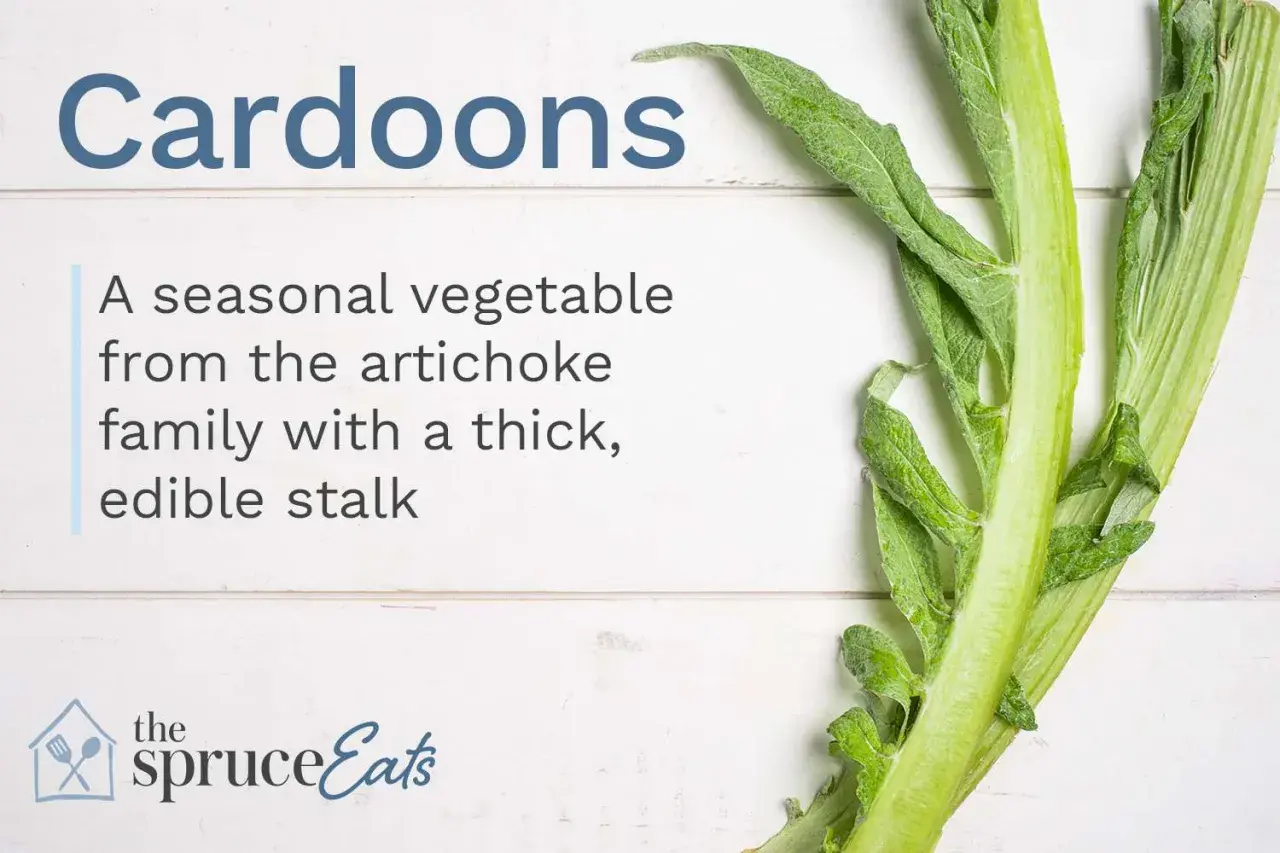
Cardoons ask for a bit of care, but once you learn how to handle them they become one of the most rewarding winter vegetables to cook. A good cardoon recipe starts with trimming away the fibres, protecting the cut surfaces from browning, and giving the stalks enough time to soften before the final dish goes into the oven or pan. This article shows you how to choose, clean, blanch, and cook them with confidence, then turn them into a Basque-leaning dish that feels right at home in a British kitchen.
What matters most when cooking cardoons
- Buy stalks that look pale, firm, and crisp, with little splitting or dryness at the cut ends.
- Trim away the stringy ribs and keep the pieces in lemon water so they stay bright.
- Blanching is not optional; it is the step that turns cardoons from tough and bitter into usable vegetable.
- Gratin, braise, and light frying are the most reliable ways to finish them.
- In the UK, a nutty hard cheese and good olive oil are the easiest way to make the dish feel complete.
Why cardoons need a different approach from celery
Cardoons look a little like oversized celery, but they behave more like a winter thistle. The stalks are fibrous, slightly bitter, and full of little strings that do not disappear if you rush them. That is why I never treat them as a quick side vegetable; I treat them as produce that needs a proper first cook before it can shine.
The flavour sits somewhere between artichoke heart and celery, with a more earthy edge. That combination works beautifully in Basque-style cooking, where I want vegetables to taste clean and structured rather than masked. Cardoons are not about sweetness or flash. They are about texture, restraint, and the right amount of richness.
If you remember one rule, make it this: soften the stalks first, then season them later. Once that idea is in place, the rest of the cooking becomes much easier.
With that in mind, the next step is choosing the best stalks and getting them ready without losing too much time or flavour.

How to choose and prepare cardoons in the UK
In the UK, I usually only see cardoons in specialist greengrocers, farm shops, or occasional veg boxes, so good stalks are worth buying carefully. Look for pale, heavy stems that feel crisp rather than hollow, with cut ends that are fresh instead of dried out. A slight whitish bloom on the surface is normal; brown patches, slack ribs, and split stalks are the signs to leave behind.
If you are buying untrimmed cardoons, plan on a fair amount of waste. A large bunch of around 1.2 to 1.5 kg can yield roughly 750 to 900 g of usable stalks once the outer fibres and tougher ends are removed. That is normal, not a sign that you have overtrimmed.
| Step | What I do | Why it matters |
|---|---|---|
| Trim | Cut away the base and any damaged ends. | Removes the driest, toughest parts before cooking. |
| Peel | Strip away the stringy outer ribs with a vegetable peeler or small knife. | Prevents chewy fibres in the finished dish. |
| Cut | Slice the stalks into 5 to 7 cm lengths. | Helps them cook evenly and fit the baking dish later. |
| Soak | Drop the pieces straight into cold water with lemon juice. | Slows browning and keeps the colour cleaner. |
For the soaking water, I use a generous bowl of cold water with the juice of 1 lemon. If the cardoons are particularly prickly or wide, I also run the knife down the ribs before cutting them up. It is a small job, but it saves you from tough bites later.
Once the stalks are trimmed and soaking, the real cooking can begin, and that is where timing makes the biggest difference.
The cooking method I trust most
Cardoons reward gentle cooking. I almost always blanch them first, then finish them in one of three ways: baked with cheese, braised with olive oil and garlic, or fried after par-cooking. For a first attempt, the most dependable route is blanching followed by a gratin, because the oven gives you heat, seasoning, and a final layer of texture in one go.
| Method | After blanching | Result | Best use |
|---|---|---|---|
| Gratin | 20 to 25 minutes in the oven | Rich, creamy, slightly crisp on top | A full side dish or a vegetarian main |
| Braise | 10 to 15 minutes on the stove | Soft, lighter, and more delicate | A simple weeknight side |
| Fry | 5 to 8 minutes in hot oil | Crisp edges with a tender centre | Sharing plates or starters |
| Bake with sauce | 15 to 20 minutes | Comforting and saucy | Cold weather cooking |
For blanching, I simmer the trimmed pieces in salted water with a little lemon juice until they are tender but not collapsing, usually 25 to 40 minutes depending on thickness. Thin stalks may be ready faster; thick ones need more time. I test with a knife rather than trusting the clock alone. It should slide in with mild resistance, not fight me.
If you stop at the blanching stage, the cardoons can be dressed simply with olive oil, salt, and lemon. That works well too, but for the richest result I move straight into a gratin, which suits the Basque table especially well.
A Basque-leaning gratin that works every time
This is the version I reach for when I want the vegetable to feel generous without becoming heavy. It leans on olive oil, a loose béchamel, and a firm, nutty cheese. Idiazabal is ideal if you can find it in the UK; if not, I use a mature cheddar or another sharp hard cheese with enough character to stand up to the bitterness of the stalks.
| Ingredient | Amount | Note |
|---|---|---|
| Prepared cardoons | 1 kg | Trimmed, peeled, cut, and blanched |
| Lemon juice | From 1 lemon | For soaking and blanching water |
| Butter | 40 g | For the sauce |
| Plain flour | 40 g | For the béchamel |
| Whole milk | 500 ml | Warm, so the sauce stays smooth |
| Nutmeg | A pinch | Use lightly |
| Grated cheese | 80 g | Idiazabal, cheddar, or another firm cheese |
| Olive oil | 2 tbsp | For the top and the baking dish |
| Optional cured ham | 75 g | Small dice, if you want a more savoury dish |
| Salt and pepper | To taste | Season carefully after the cheese is added |
- Heat the oven to 200°C, or 180°C fan, and butter a medium baking dish.
- Drain the blanched cardoons well and lay them in the dish in an even layer.
- Melt the butter in a pan, stir in the flour, and cook for 1 to 2 minutes without letting it colour.
- Whisk in the warm milk gradually until the sauce is smooth and lightly thickened.
- Add the nutmeg, a little pepper, and only a small amount of salt, then taste once the cheese is added.
- Pour the sauce over the cardoons, scatter on the cheese, and drizzle the olive oil over the top.
- Add the diced ham now if you are using it.
- Bake for 20 to 25 minutes until bubbling and lightly browned.
I keep the sauce on the looser side because cardoons absorb a lot as they bake. A thick béchamel can make the dish stodgy, especially if the vegetable was already cooked until very soft. What I want is a creamy coating, not a cement layer. That difference is small on paper and huge on the plate.
This version is rich enough for a main with bread and salad, but it also works as a side beside roast fish, grilled chicken, or a simple omelette. From here, the interesting question is what else you can do with the same prepared vegetable.
Other ways to serve them when you want something lighter
Once the cardoons are blanched, they become surprisingly flexible. I do not always send them to the oven. Sometimes I want a cleaner plate, or I want the bitterness to stay a little sharper so it cuts through richer food. In those cases I use one of these approaches:
- Dress the blanched stalks with olive oil, lemon, and parsley for the simplest version.
- Braise them gently with garlic and a splash of stock if I want a softer, almost silky texture.
- Fry them in a light batter for a crisp starter, especially if I have smaller or thinner stalks.
- Toss them with potatoes and a few olives for a sturdier winter side.
- Add them to a bean stew or vegetable soup, but only after the main fibres have already softened.
These lighter treatments matter because they show the vegetable without hiding it. If the cardoons are especially good, I often stop at olive oil, lemon, and salt so the flavour stays bright and a little wild. If they are less tender, I lean into braising or baking, which forgives a bit more.
For a drink pairing, I like a dry white wine or a sharp cider. If you want the meal to feel more closely tied to northern Spanish cooking, a glass of Txakoli fits naturally, but it is not essential. The vegetable itself is the point, not the beverage list.
Knowing when to keep things simple is useful, because cardoons can go wrong very quickly if you overestimate how far they have softened.
The small habits that make the next batch easier
The most common mistake is stopping the prep too early. If the stalks are not peeled properly, they stay stringy. If they are not kept in acidulated water, they dull and brown. If they are undercooked before the final bake, they remain tough. If they are overcooked, they lose shape and the gratin turns muddy. None of these problems is dramatic on its own, but together they can flatten the dish.
I also avoid making cardoons too far in advance unless I know exactly how I will finish them. Blanched pieces keep in the fridge for about 2 to 3 days in a sealed container, but I would not leave them sitting in water for long periods. Reheat them gently in the sauce or oven rather than boiling them again, which usually pushes them into mushy territory.
If you are cooking them for the first time, track three things: the size of the stalks, the blanching time, and how much salt the final sauce can handle. That note is worth keeping. It means the second batch will be easier, quicker, and better balanced.
That is the real appeal of cardoons: they are a little demanding, but they repay the effort with a distinctive texture, a clean bitter edge, and enough character to carry a simple winter meal without much else.
