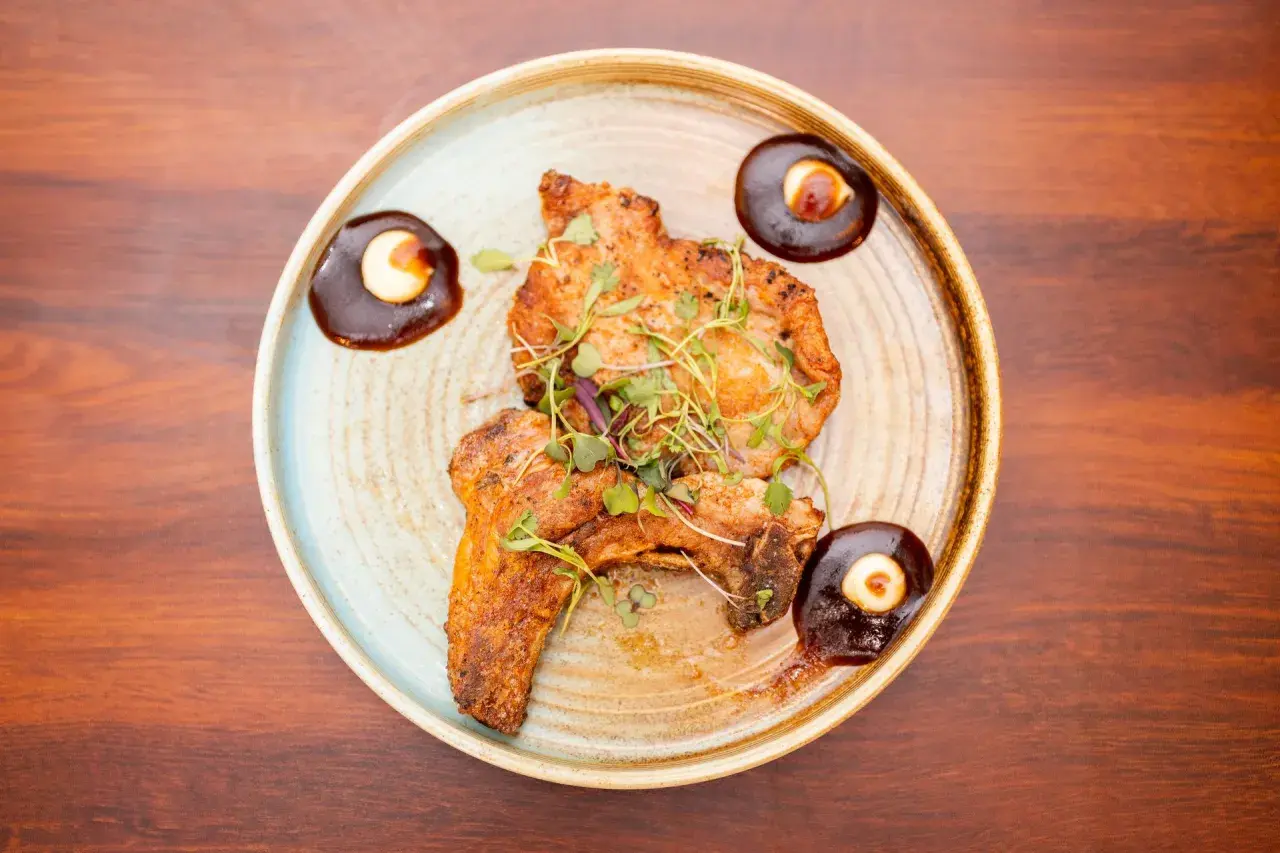
Steak tapas works best when the beef stays front and centre: properly seared, sliced cleanly, and finished with just enough acidity or herbs to keep each bite lively. In a Basque context, the format moves closer to pintxos, where one or two well-composed bites matter more than a long ingredient list. This guide shows which cuts perform best, how to build flavour without masking the meat, and how to serve small steak plates with the right balance of richness, texture, and pace.
The easiest way to get this right is to keep the bites small and the flavours sharp
- In Basque-style dining, a good steak bite should feel precise, not overloaded.
- Sirloin, bavette, flank, rump, and rib-eye all work, but each needs a different treatment.
- For a mixed spread, 60-90 g cooked beef per person is usually enough; for a steak-led board, 120-150 g is safer.
- Pickled onions, peppers, herb sauces, and crisp bread do more work than heavy cream or sugary glazes.
- Thin slicing across the grain and serving immediately are the two details that change the result most.
What steak on a tapas menu really means
In Spain, and especially in the Basque Country, small plates are shaped around immediacy and precision. Spain.info describes pinchos as one- or two-bite portions, and that is the right benchmark here: the steak should be the star, but the plate still needs a clear idea behind it. I usually think of these dishes as steak pintxos, steak bites, or small plates rather than one fixed recipe.
That distinction matters because Basque cooking already has a serious steak tradition in txuleta, the charcoal-grilled rib-eye served on the bone. For smaller plates, I borrow the same beef-first logic and shrink the format: cleaner cuts, sharper accompaniments, and just enough garnish to keep the bite moving. Once you see it that way, the next decision is the cut, because texture will decide whether the plate feels polished or awkward.
The cuts I would choose for small steak plates
For this format, I want a cut with enough flavour to stand up to quick cooking and enough structure to slice neatly. In the UK, that usually means sirloin, rump, bavette, flank, skirt, or a richer rib-eye when I want something more indulgent.
| Cut | Best use | Why it works | Watch out for |
|---|---|---|---|
| Sirloin | Thin slices on bread or neat bites with peppers | Beefy, tender enough, and easy to portion | Do not overcook it or the texture turns tight |
| Bavette or skirt | Skewers, marinaded bites, or anything sliced thin | A loose-grained cut that loves quick, high heat | Must be sliced across the grain |
| Flank | Shared plates with peppers, onions, or salsa verde | Lean, flavourful, and good at absorbing seasoning | Needs a short marinade and careful carving |
| Rump | Budget-friendly skewers or warm steak bites | Good value and strong beef flavour | Keep the cooking quick so it stays tender |
| Rib-eye | Richer pintxos or a more luxurious board | Juicy and forgiving, with plenty of flavour | Too much garnish can make it feel heavy |
My rule is simple: the firmer the cut, the more important slicing and seasoning become. Sirloin and rib-eye can be kept almost minimal, while bavette, a loose-grained cut that likes quick, high heat, and flank benefit from a short marinade and a very clean slice across the grain. If I want medium-rare, I aim to pull the steak at about 54-57°C after a hard sear, then let it rest so the juices stay where they belong.

Three steak pintxo formats that always work
I prefer to think in formats, not just recipes, because the same steak can look very different depending on whether it sits on bread, on a skewer, or beside a warm garnish.
Steak on toasted bread
This is the clearest nod to the pintxo tradition. I use a small slice of toasted baguette or rustic bread, a thin layer of something creamy or garlicky, a few slices of steak, and a sharp finish such as piquillo peppers or pickled onion.
Why it works: the crunch gives contrast and the bread controls the portion size, so the beef still feels like the main event. It also plates well, which matters if you are serving drinks before dinner rather than a formal course.
Skewered steak with peppers
Skewers are the easiest option when I want speed and a clean hand-held bite. Cubes of rump, skirt, or bavette take well to direct heat, especially if the marinade is simple: olive oil, garlic, paprika, black pepper, and a little lemon or sherry vinegar.
Why it works: the skewer keeps the format casual and makes timing straightforward. You can cook a batch fast, rest them briefly, and pass them around while they are still warm.
Warm steak with potatoes or mushrooms
When I want something a touch more substantial, I move away from bread and build the bite around a warm base. Crispy potatoes, sautéed mushrooms, or a spoonful of piperrada-style peppers, a Basque pepper, onion, and tomato relish, give the steak a grounded feel without turning the plate heavy.
Why it works: the base absorbs juices and sauce, so every bite feels complete. This is the version I use when the menu needs one richer dish but I still want the final result to stay in tapas territory.
Flavours that lift the beef instead of covering it
Beef on a small plate only needs one or two supporting moves. Acid, salt, smoke, and fresh herbs are usually enough; once you add too many creamy or sweet layers, the steak stops tasting like steak.
- Acid: pickled onion, sherry vinegar, lemon, or a lightly pickled pepper cuts through fat and keeps the bite bright.
- Salt and umami: a few flakes of sea salt, a little Manchego, or even a whisper of anchovy can sharpen the finish.
- Green freshness: parsley, chives, coriander, or a loose salsa verde keep the plate from feeling static.
- Sweet pepper flavour: piquillo peppers or roasted red peppers bring a softer Basque-style sweetness without making the dish sugary.
- Heat: pimentón, chilli, or black pepper should sit in the background, not dominate the whole bite.
When I want a more clearly Basque feel, I lean on grilled peppers, garlic, olive oil, and a little cider or vinegar in the dressing. Chimichurri also works, but I use it sparingly; its job is to sharpen the beef, not replace the rest of the plate. Once the flavour map is clear, the question becomes how much to serve so the meal feels generous without becoming heavy.
How to serve it so the board feels like a tapas round
In a tapas setting, pacing matters as much as the recipe. I would rather serve three crisp bites at the right temperature than a larger pile of lukewarm steak.
| Serving situation | Cooked beef per person | Practical note |
|---|---|---|
| Mixed tapas spread | 60-90 g | Enough when there are several other dishes on the table |
| Steak-led small plate board | 120-150 g | Works when beef is the anchor, not a side note |
| Pre-dinner snacks | 30-50 g | Keep the portions tiny and the seasoning sharp |
| Party platter for 4-6 people | 500 g raw steak total | Gives you enough margin for trimming, resting, and snacking |
For drinks, I prefer high-acid pairings: txakoli, the lightly sparkling Basque white wine, if you want the most Basque answer, a young Rioja if you want red wine, or a dry cider if you need something more casual. Heavy oak and very sweet cocktails tend to flatten the dish, especially if the steak already has a rich cut or a buttery finish. That makes the final set of pitfalls worth spelling out, because most failures come from a handful of avoidable habits.
The mistakes that make steak small plates feel flat
- Overcooking the meat: once steak goes past medium, the bite becomes tougher and less forgiving on a small plate.
- Skipping the rest: five to 10 minutes lets the juices settle; slice too early and the plate floods.
- Using too much sauce: a good sauce supports the beef, but a thick blanket hides it.
- Cutting with the grain: always slice across the grain, especially with flank or bavette.
- Serving everything cold: bread loses crunch, fat hardens, and the whole dish feels dull.
- Overloading the plate: three to five thoughtful ingredients usually beat seven random ones.
If a plate already looks busy, I strip it back: less sauce, fewer toppings, and a sharper acid note. That restraint is what keeps the dish aligned with tapas and pintxos culture instead of drifting into steakhouse territory. From there, it is easier to build a menu that feels coherent rather than improvised.
A Basque-leaning steak board I would serve tonight
If I were building this for guests in the UK, I would keep it tight: one steak bite on bread, one warm vegetable side, one acidic garnish, and one drink with enough freshness to reset the palate.
- Steak pintxos with toasted baguette, thin sirloin, piquillo peppers, and garlic aioli.
- Charred peppers or Padrón peppers with flaky salt.
- A small bowl of pickled onions or a light sherry-vinegar dressing.
- Txakoli, dry cider, or a young Rioja depending on the rest of the menu.
The easiest formula is one rich bite, one acidic bite, and one crunchy bite. The best versions are rarely complicated; they are simply cooked hard enough, sliced thin enough, and seasoned with enough restraint to let the beef taste like itself. That is the line I always try to keep: small plates, clear flavours, and no unnecessary weight.
