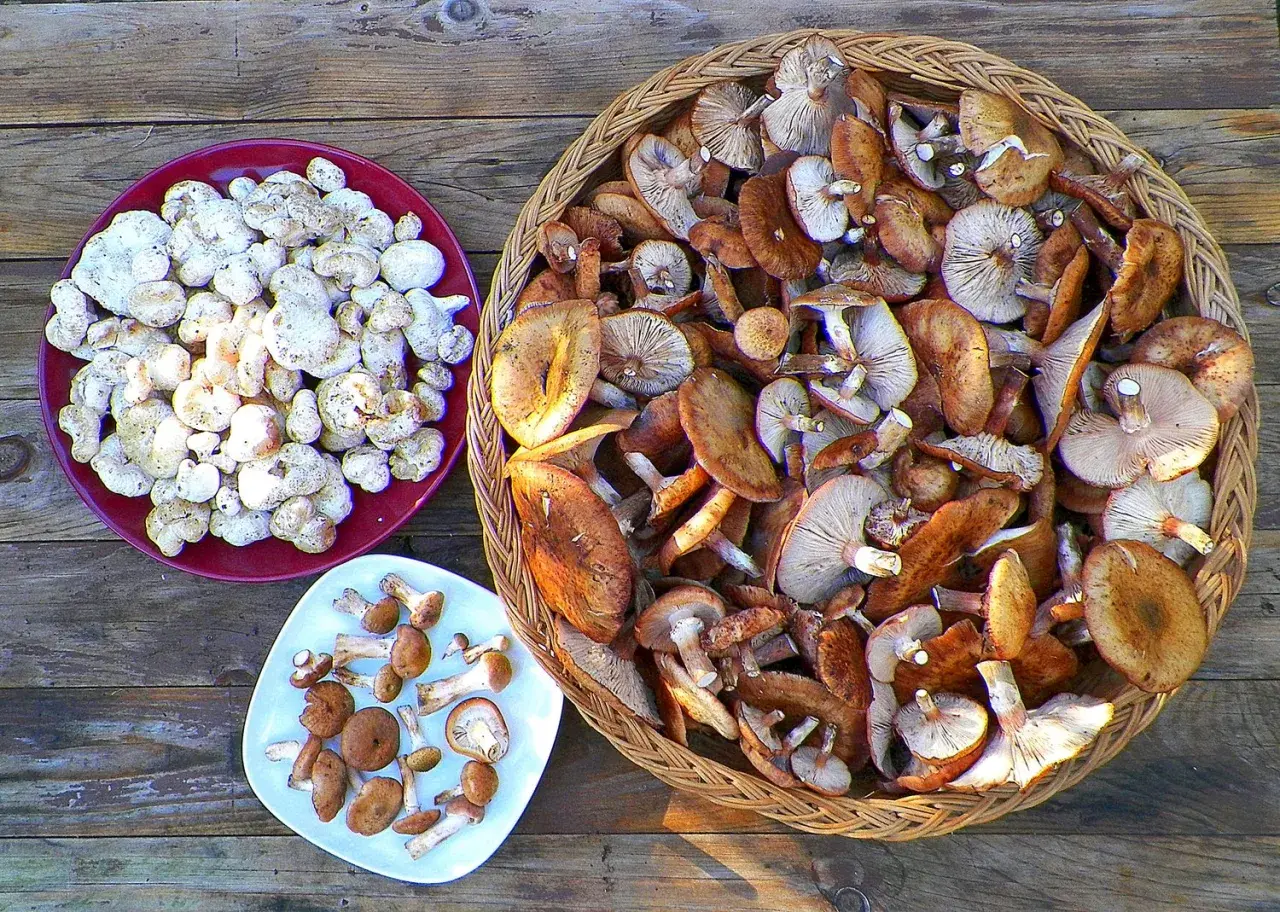
Honey mushrooms are a seasonal wild ingredient with a pale gold cap, firm bite when young, and a flavour that sits somewhere between woodland earthiness and gentle sweetness. In practice, they reward careful handling: they need thorough cooking, they taste best in small, confident preparations, and they work especially well in dishes that already have garlic, herbs, peppers, or eggs. This guide covers how I identify them in the UK, how I cook them, and how I use them in Basque-leaning dishes where mushrooms belong naturally.
What matters most before you cook them
- They are best treated as a seasonal wild ingredient, not an everyday supermarket mushroom.
- The name is about the colour; the flavour is more earthy and nutty than sweet.
- They should be cooked thoroughly, and I always start with a modest portion for first-time eaters.
- Young, firm caps are far better than older, floppy clusters with stringy stems.
- In the UK, they are most often associated with late summer and autumn.
- They pair naturally with garlic, parsley, peppers, eggs, potatoes, and dry white wine.
What they are and why cooks still care about them
What people call honey fungus is really a group of Armillaria species, not a single neatly packaged mushroom. The honey reference points to the cap colour rather than to a sugary taste, and that matters because the cooked flavour is better described as woody, savoury, and lightly nutty. The RHS notes that these mushrooms usually appear briefly in late summer or autumn, often around stumps or buried roots, which is one reason they show up so suddenly and then vanish again.
From a kitchen point of view, I like them because they have presence. A cluster of delicate button mushrooms can disappear into a sauce, but this ingredient keeps some structure and can bring a deeper, more autumnal note. That said, I never treat it like a mild salad mushroom. It wants heat, patience, and a recipe that respects its texture. That is exactly why it is worth learning how to recognise it properly before you put anything in the pan.
One practical complication is that the same fungus group is also famous in gardens for attacking woody plants. That does not make the mushrooms unusable, but it does mean foragers need a sharper eye and a stronger sense of where not to pick. With that distinction clear, the next step is identification in real UK conditions.
How I recognise it safely in the UK
I look for a cluster of honey-brown mushrooms growing from dead wood, buried roots, or the base of a stump. The caps are usually in the 5 to 12 cm range when mature, often with a slightly darker centre or fine scales, and many species show a ring on the stem when young. The gills are pale, and the whole cluster tends to look like it is arriving in a group rather than as isolated singles. That clustered habit is one of the first things I trust in the field.
- Good signs include a tight cluster, honey-brown colouring, and growth from wood or root material.
- Younger caps are preferable because they are firmer and less fibrous.
- Red flags are unknown brown mushrooms, specimens growing in chemically treated ground, and anything you cannot identify without hesitation.
- Lookalikes exist, so I never rely on colour alone; shape, growth habit, and the stem features all matter together.
The safest habit is simple: if the mushroom is not clearly identified, I leave it. I also avoid roadside verges, sprayed lawns, and any patch that could be contaminated by runoff or garden treatment. The RHS still treats honey fungus as one of the UK’s major garden diseases, so I would not harvest from an actively affected border even if the mushrooms themselves look appealing. Good identification is not a detail here; it is the whole game. Once that part is settled, texture becomes the real question.
How I clean and cook it without losing texture
My approach is to clean quickly, cook thoroughly, and keep the process simple. I brush off debris first, then give the mushrooms a very quick rinse only if needed. I do not soak them, because they already carry enough moisture of their own. The lower stems can be tough, so I trim them and keep the more tender upper parts, especially when the cluster is young.
For cooking, I usually parboil them in salted water for about 10 to 15 minutes, then drain well before finishing in the pan. That step does two jobs at once: it improves texture and gives me a cleaner result in the final dish. After that, I sauté them with butter or olive oil until the moisture has evaporated and the edges take on a little colour. If I am using them in a stew, I let them braise longer, usually another 20 to 30 minutes, so they soften into the sauce instead of sitting on top of it.
| Method | When I use it | What it does |
|---|---|---|
| Quick sauté after parboiling | Pintxos, toast, egg dishes | Keeps a firmer bite and a cleaner flavour |
| Slow braise | Stews and saucy dishes | Softens the texture and deepens the flavour |
| Pickling | Preserving an autumn glut | Adds acidity and keeps them useful for weeks |
| Drying | Stock, soups, flavouring | Concentrates the mushroom character |
I also start cautiously when serving them for the first time. Even when well cooked, a small number of people find them heavy, so I prefer to offer a modest portion first rather than build a whole meal around a mushroom no one has tried before. That practical caution leads neatly into the dishes where they really shine.
Where they fit in Basque-style cooking
Basque cooking gives this mushroom exactly the kind of company it likes: garlic, parsley, olive oil, peppers, eggs, potatoes, and a sharp, dry drink on the side. I think of it as a robust autumn ingredient rather than a fragile delicacy, which makes it a natural fit for pintxos, simple stews, and late-season plates that need depth more than sweetness.
Here is where I reach for it most often:
- On toast as a pintxo with garlic, parsley, and a little olive oil, because the bread catches the juices and keeps the portion tidy.
- In scrambled eggs or a tortilla, where the mushrooms bring texture and the eggs smooth out any rough edges.
- With piquillo peppers, because the gentle sweetness of the pepper balances the earthy bite of the mushroom.
- In a light stew with potatoes or white beans, where the mushrooms act more like a backbone than a garnish.
- Beside grilled fish or salt cod, especially when the sauce stays dry and bright rather than heavy and creamy.
I especially like them with a splash of txakoli, dry cider, or a little white wine reduction, because acidity keeps the dish from feeling muddy. If I want a richer result, I add a touch of butter at the end, not at the start. That gives the sauce shine without burying the mushroom character. The same logic applies when you are buying or storing them: freshness matters more than volume.
Buying, storing, and serving them with confidence
If I am not foraging, I prefer to buy these from a specialist wild-food seller or a market stall that handles seasonal produce properly. The basket should look fresh, dry, and firm. I skip any mushrooms that are slimy, crushed, or sour-smelling, because those signs tell me the texture will already be on the decline. In the fridge, I keep them in a paper bag or a paper-lined box and use them within 2 to 3 days.
For serving, I tend to think in small first portions. Around 50 to 100 g cooked per person is enough for a first tasting or as part of a pintxo spread. If the mushrooms are supporting a larger dish, I scale up, but I still let them stay visible rather than shredding them down into nothing. They are too good at texture to hide completely.
I also avoid the common mistake of over-seasoning too early. Salt, garlic, and herbs are enough at the start; heavier spices can flatten the flavour. If I want extra depth, I build it slowly with onions, a little wine, and time in the pan. That restraint is what keeps the ingredient interesting instead of merely rustic.
What I would remember before serving them
When I cook this mushroom well, I think of it as an autumn ingredient with a specific job: bring woodsy flavour, give the plate structure, and absorb just enough seasoning to fit into a larger dish without disappearing. I do not force it into every recipe. I use it where the kitchen already has a clear rhythm of garlic, herbs, acidity, and gentle heat.
- Cook it thoroughly, every time.
- Prefer young, firm caps over older clusters.
- Start with a small serving if it is new to you.
- Keep the flavour line simple and clean.
- Use it in dishes where texture still matters.
That is why I treat honey mushrooms as a seasonal ingredient worth waiting for, not a novelty to rush. Used well, they bring a kind of quiet richness that suits Basque-inspired cooking beautifully: honest produce, clear seasoning, and a plate that tastes like the season without trying too hard. If I am unsure about identification, I leave the mushroom alone and choose a cultivated alternative instead.
